Dispersed camping areas near Lewis and Clark National Forest provide rustic accommodations with varying terrain and accessibility. The national forest spans across central Montana with elevations ranging from 4,500 to over 9,000 feet, creating diverse camping environments from riverside locations to more remote mountainous settings. Weather conditions can shift rapidly, particularly at higher elevations, with summer temperatures typically ranging between 45°F at night and 85°F during daytime.
What to do
Wildlife viewing opportunities: The areas surrounding Freezeout Lake Wildlife Management provide excellent bird watching. "I read that this is a major bird watching area," notes reviewer Al L. The wetlands attract numerous migratory species throughout the year.
Fishing access: Multiple dispersed sites offer stream and lake fishing. At Goose Bay BLM, campers appreciate the water accessibility. "Pretty much can find a nice spot and most all are lake accessible," reports Terrie L. Bring appropriate fishing licenses, available online through Montana Fish, Wildlife & Parks.
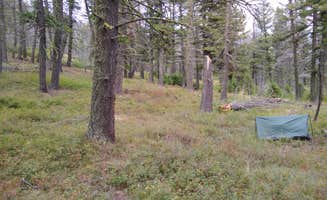
Hiking nearby trails: The numerous dispersed sites serve as convenient baseholes for day hikes. Refrigerator Canyon Back Country Camp requires hiking in but rewards with solitude. A reviewer notes, "The site is between two small creeks... Due to the very dry summer only the smaller stream was still flowing, water could be collected at its crossing of the trail above the camp site."
What campers like
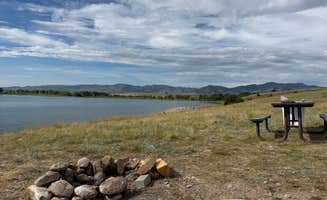
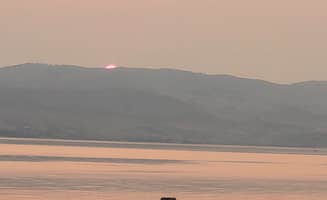
Water proximity: Many campers appreciate shoreline camping options. A visitor to Canyon Ferry Lake Dispersed Camping Area shares, "Shore is Rocky but beautiful with fantastic sunsets to the west over the hills across the reservoir but again, very little shade."
Affordable accommodations: Free or low-cost camping appeals to budget-conscious travelers. One camper at Freezeout Lake Wildlife Management notes, "Conservation permit was $10.00. Nice crushed gravel area for full size rigs if needed. There is a pit toilet about .2 mi from the pin."
Weekday solitude: Less crowded conditions midweek provide a more peaceful experience. A visitor to Confederate Disperse Camping Area shares, "Pulled in early on a Friday and it was already filling up. Stayed 1 week and was by myself for most of it besides the weekend."
What you should know
Permit requirements: Some areas require conservation permits or have specific rules. At Freezeout Lake, "Signs require a Conservation permit, which u can get online. There were signs with a QR Code."
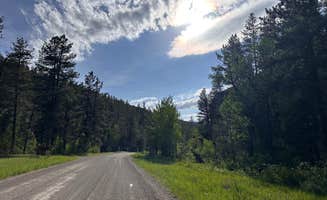
Road conditions vary: Access roads to rustic camping near Lewis and Clark National Forest range from well-maintained to challenging. A visitor to Belt Creek on Hughesville Road notes, "The road was in great shape and we found a nice spot a few miles back and right next to the creek."
Weekend crowds: Popular sites fill quickly Friday through Sunday. A camper at Confederate shares, "I felt so secluded here on a Sunday night. Beautiful area. Appreciated the reviews on here to find a good free place to spend the night."
Limited amenities: Most dispersed sites offer minimal facilities. "You almost don't realize that this area open to camping and would drive right by if it were not for a plywood sign just after crossing a cattle guard," mentions a Confederate camper, highlighting the rustic nature of these sites.
Tips for camping with families
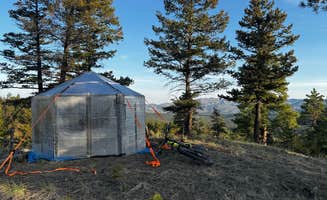
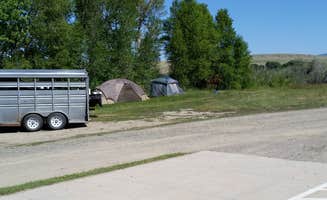
Terrain considerations: Evaluate ground conditions when setting up camp with children. A Kelly Gulch Road Dispersed Camping visitor advises, "Since it's on a mountain, the amount of flat areas are limited so it's first come first serve."
Wildlife encounters: Prepare children for potential wildlife sightings. "There were some of the cutest cows on the way in," shares a Confederate camper, though they caution, "It took me over half an hour to locate the owner and get a calf's head unstuck."
Safety precautions: Some areas have specific safety concerns. A Belt Creek camper warns, "My only two complaints is people leave their trash. So pack out what you bring in. Second if you are shooting have enough insight to know where your bullets are going."
Tips from RVers
Campsite selection: Find level spots suitable for larger vehicles. At Goose Bay BLM, a reviewer notes, "Tons of spots for camping and big rigs up to 50 ft long with spots a couple of hundred feet from the reservoir itself and lots of shade in places with decent privacy."
Ground anchoring challenges: Sandy soil can make securing tents or awnings difficult. At Confederate, a camper warns, "You can not stake anything down here. It's all sand. No cover from wind."
Facilities access: RVers should note limited dump stations and water sources. For Canyon Ferry Lake, a camper advises, "There's a small 'C' store, a dump station, propane exchange, showers, drinking water and a boat ramp. You'll need to make reservations for the campground."







 Scout
Scout


