The Deer Isle Archipelago near Sargentville, Maine offers offshore rustic camping experiences for adventurous outdoor enthusiasts. This coastal region features granite-lined shores with water temperatures rarely exceeding 55°F even in summer months. The archipelago contains over two dozen islands within a 5-mile radius, many accessible only during specific tide conditions that require careful planning for safe landings and departures.
What to do
Explore nearby islands: Marshall Island provides an excellent base for day trips to surrounding areas. The island features extensive trail networks totaling over 10 miles through varied terrain. "Sand Cove is perfect for a beach fire and stargazing on a clear night," notes one Marshall Island visitor.
Cross Jericho Bay: From Doliver Island, experienced paddlers can make the 4.5-mile crossing to larger islands. This journey requires intermediate kayaking skills and proper tide timing. According to one camper, Doliver Island offers a "gorgeous shell covered beach and a beautiful view of Isle au Haut, just next door."
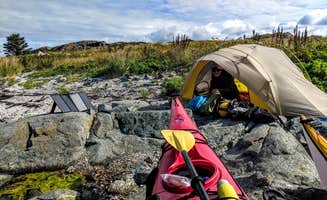
Practice sea kayak skills: Beginners can test their sea kayaking abilities at locations with protected landings. "This is a perfect island for those new to sea kayak camping as the sandy shore, which is exposed for a good portion of the day, is easy to land on," explains one Buckle Island camper.
What campers like
Astronomical viewing: The minimal light pollution around these remote islands creates exceptional nighttime viewing conditions. The Deer Isle area offers superior stargazing opportunities throughout summer and early fall. A visitor to Marshall Island called it "some of the best stargazing spots we've ever seen!"
Wildlife encounters: The diverse ecosystem supports numerous marine and avian species. Visitors frequently report seeing seals, porpoises, and various seabirds. The islands provide natural habitats relatively undisturbed by human activity.
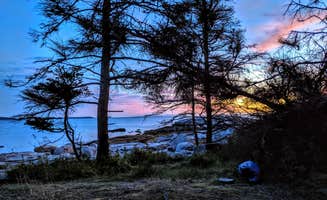
Sunrise and sunset views: Wheat Island offers particularly impressive celestial viewing. One camper reported they "had a gorgeous view of the sun setting and full moon rising" from the larger site on the southwest side.
What you should know
Limited camping space: Many islands have very restricted camping areas. Doliver Island has "barely a tent space, but a good stop for us on our 9 day journey," according to a visitor. Advanced planning is essential, especially for groups larger than two tents.
Landing challenges: Tidal fluctuations dramatically affect landing conditions. Water levels can change by 10+ feet between high and low tide in this region. "This can be a tricky island to land on at high tide, so plan accordingly," notes a Wheat Island visitor.
Insect preparation: Mosquitoes remain problematic throughout the summer season and into early fall. Even in September, campers report significant mosquito activity. Proper repellent and protective clothing are necessary for comfortable camping.
Tips for camping with families
Site selection for groups: Some islands accommodate family groups better than others. The southwest side of Wheat Island is noted as "perfect for larger groups" according to visitor reviews.
Supply planning: Since no fresh water sources exist on these islands, families must carry all drinking water. A minimum of 1 gallon per person per day is recommended, with additional water for cooking and cleaning.
Beach activities: Buckle Island offers "a short walk to a trail into the woods" from its sandy shore, making it more accessible for families with children who might want varied terrain to explore.
Tips from RVers
Mainland staging: No RV camping exists on the islands, but mainland staging areas can serve as base camps. Several public boat launches within 10 miles of Sargentville allow day trips to nearby islands while maintaining an RV base camp.
Supply resupply: Extended island camping trips may require periodic returns to the mainland. "If you happen to need a food or water resupply, Swan's Island is a short paddle away and has a very small grocery store and town office with fresh water," notes one Marshall Island visitor.




 Legend