Cumberland Island National Seashore offers tent camping in a subtropical barrier island environment with annual temperatures averaging 77°F and rainfall of 49 inches. The island's north-south orientation spans 17.5 miles with camping sites concentrated on the southern and central portions. Winter months provide milder temperatures in the 50-60°F range and fewer insects, making it the preferred season for many tent campers.
What to do
Wildlife viewing excursions: Tent campers at Sea Camp Campground can observe wild horses, armadillos, and other native species. One camper noted, "The wildlife is one of the best parts of visiting Cumberland Island. The only animals we saw at the actual campsite were armadillos and raccoons, the latter of which were bold enough to walk right up to our campfire when we started cooking."
Beach exploration: Morning beach walks provide solitude along the island's eastern shore. "Walking out on beach from tent every morning just to watch the sun rise over the Atlantic ocean while crab boats chug along being part of the scenery as the sun rises, you are first and only person on an 18 mile long beach until around 10 a.m. 7 out of 8 mornings," shared one Sea Camp visitor.
History tours: Visit the Dungeness Ruins for a glimpse of the island's past. "The ruins of an old mansion look like a much older archeological site," according to a camper. Rangers provide scheduled tours of the south side of the island, including an outdoor lecture series on topics like sea turtles and natural history.
Paddling expeditions: Experienced paddlers can access the island's western shore at Brickhill Bluff Wilderness Campsite. "We paddled from the mainland in St. Mary's to this spot on the island. If you time the tide right, you can ride the Crooked River out relatively quickly," advises one camper. Another recommends: "Kayak from the boat landing at Crooked River State Park directly to Plum Orchard the hike to the camp."
What campers like
Island solitude: The limited number of daily visitors ensures uncrowded conditions. "They limit the number of people on the island daily, which means it is never over crowded. Use the food boxes. Raccoons are nosy," notes one Sea Camp camper.
Beach access: Multiple tent camping areas offer varied proximity to the shoreline. At Stafford Beach Campground, "It was such a short walk to the beach from here! This is where we saw groups of wild horses as well," reports one camper. The campground includes cold showers and non-potable water that requires treatment.
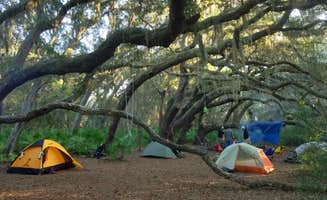
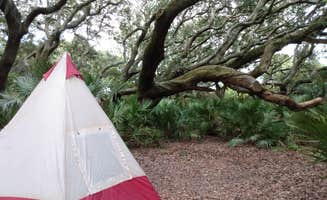
Diverse ecosystem transitions: The island features distinctive habitat zones. "Palm trees filling in the canopy of the largest stand of live oaks left in U.S. that all have spanish moss hanging in them like no movie production set designer could ever replicate make you feel like you time jumped to a jurassic age," described one tent camper.
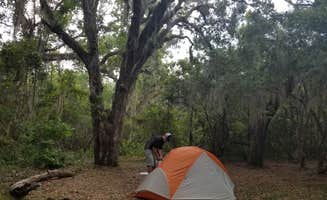
Camp privacy: Sites at Sea Camp provide natural screening. "Each site has a good amount of privacy and comes with a fire ring (and grill on top), picnic table, and food cage. We had one of the smaller sites - but it still had plenty of room, even with the tent and the hammock. Some of the sites are big enough for multiple tents."
What you should know
Reservation requirements: Tent sites book months in advance with limited availability. A camper explains: "We went in spring just before the busy season officially started, so rates were still low and we were able to reserve a spot at the last minute. I highly recommend reserving in advance as it's very popular."
Transportation logistics: The ferry schedule dictates arrival and departure timing. "The only way to the island is by ferry, which is a big reason to pack light and efficiently," advises a tent camper. The ferry costs $15 per person plus $10 for each bicycle transported.
Water availability: Different camping areas have varying water access. At Hickory Hill Wilderness Campsite, "make sure you are prepared about water as the nearest non-potable water source to Hickory Hill is about 1 mile away." At all backcountry sites, plan to filter or treat water.
Seasonal conditions: Summer brings challenging heat and insects. "Cumberland Island is a beautiful pristine National Seashore accessible by ferry off the coast of Georgia. We tent camped there in the middle of June 2021. It was a hot time of year but under the canopy of the live oak trees where the tent sites are located (Sea Camp) was easily 10+ degrees cooler than elsewhere. However, be warned, it was extremely humid."
Tips for camping with families
Site selection strategies: Choose established campgrounds with amenities for young children. "I decided to do Sea Camp this time because I was camping with my mother and my three year old. It's the perfect campground for those who don't want to forego basic amenities," reports a camper.
Wildlife education opportunities: Engage with ranger programs for added educational value. "The resident volunteer led an info session on armadillos which was educational and fun and really added value to our trip," notes one family camper.
Transportation tools: Bring equipment to transport gear and children. "We used a wagon to carry to our stuff (and the kid) but the road terrain was pretty rough. If anyone is planning to bike on the road, I'd recommend they ensure their bicycle can handle that sort of surface."
Food storage: Use provided storage options to avoid wildlife encounters. At Cabretta Island Pioneer Campground, campers appreciate that the site comes "complete with bathrooms and many adirondacks to keep supplies dry, the campsite is a 3 to 5 minute walk away from both a beautiful beach and amazing marsh."
Tips from RVers
No direct RV access: Cumberland Island permits tent camping only. For RV campers wanting to experience similar coastal environments, Dutton Island Preserve provides a mainland alternative with water access. A camper describes: "This is one of those spots that you come across and you're not sure if you want to write about it and share it with anyone else for the fear that this place will become overrun with folks that will ruin it for us locals."
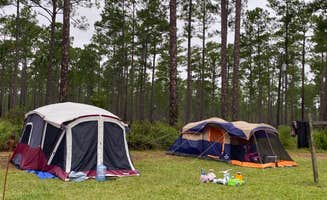
Group camping alternatives: Family RV groups seeking nearby coastal camping can consider state forests. "Tucked deep into the pinewoods of Cary State Forest, the Group Campground isn't your average weekend getaway, but more like a full-blown opportunity to gather the family together for a reunion," notes a visitor.
Island day trips: RV travelers can park at the St. Marys mainland dock and visit Cumberland as day visitors. The ferry operates daily during peak season with limited weekend service in winter months.








 Traveler


