Equestrian camping opportunities near Englewood, Florida extend beyond Little Manatee River State Park. The subtropical climate in this region creates year-round camping conditions with average winter temperatures around 70°F and summer temperatures often exceeding 90°F. The terrain features a mix of pine flatwoods, riverine systems, and oak hammocks typical of southwest Florida's natural landscape.
What to do
Trail riding at Myakka River State Park: The park maintains extensive equestrian trails through diverse Florida ecosystems. "Myakka is a cool little spot out in Wimauma with close access to gas stations, restaurants, and grocery stores," notes one visitor to Little Manatee River State Park. Across the region, equestrian trails often connect with hiking paths.
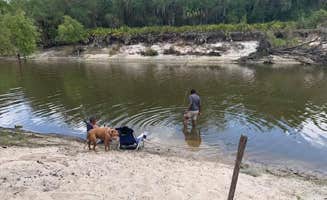
Fossil hunting along Peace River: This unique activity attracts many campers to the area. "This is a great place to find Shark teeth and other fossils. I once had to abandon my Tilapia as the alligator appeared to want it more than me!" reports a visitor to Peace River Campground. Fossil hunting equipment can be rented or purchased at many camp stores.
Kayaking the waterways: Local rivers provide excellent paddling opportunities. "We rented a canoe for the day (reasonably priced at $20 for the first hour and $5/hr after that) and saw many alligators, turtles, wild pigs, and so many birds," shares a camper at Myakka River State Park. Most rental locations require reservations during peak season.
What campers like
Wildlife viewing opportunities: The region's diverse ecosystems support abundant wildlife. "This is one of our fave places in FL because there is hiking, biking, birding, kayaking, much more," explains a visitor to Palmetto Ridge Campground. Early morning and dusk provide optimal wildlife viewing times.
Primitive camping options: For those seeking a more rustic experience. "They have great primitive sites, with hikes that vary from 2 miles to 14 miles to camp sites. Beware of heat, bring plenty of water. Dont depend on water pumps," cautions a Palmetto Ridge camper. Water access becomes especially important during warmer months.
Accessible natural areas: Many campgrounds provide direct access to natural features. "The sites have a simple fence between them and nothing else for privacy, but the campground is so beautiful and lush that it didn't bother us," explains a camper at Caloosahatchee Regional Park. Most sites require advance reservations during winter months.
What you should know
Seasonal considerations: Summer brings heat and insects. "Swampy, so bring bug spray," advises a camper at Old Prairie Campground. The winter high season (November-April) means more crowds but pleasant temperatures.
Alligator safety: Local waterways contain alligators. "Went to drain the tanks yesterday morning and a large sounding gator started to growl territorially at me. So heads up with your pets please," warns a camper at Myakka River State Park. Keep at least 25 feet from alligators and never feed wildlife.
Horse-specific regulations: When bringing horses, prepare for specific requirements. "Our spot was 10 and we loved the privacy of the nature between every campsite along those areas for bigger rigs," notes a visitor to Little Manatee River State Park. Most equestrian sites require proof of negative Coggins test.
Tips for camping with families
Kid-friendly activities: Look for campgrounds with dedicated recreation areas. "Great paths to manicured campsites. All have fire ring, bbq, and picnic table. Primitive showers available; restrooms available. WiFi works good; but there's miles of trails to walk," shares a visitor to Caloosahatchee Regional Park.
Quieter campground sections: Some areas offer more peaceful settings. "We stayed at a site in Old Prairie. Very peaceful and great access to trails. Was able to walk to see large amount of gators and quick access to fishing," explains a camper at Old Prairie Campground. Sites further from main facilities often provide more solitude.
Site privacy considerations: Campgrounds vary in how much separation exists between sites. "Tucked away between Englewood and North Port, this primitive site is only eight dollars to stay at," reports a visitor to Flying A Campground. Researching site maps before booking helps find the most private options.
Tips from RVers
Hookup availability: Electric and water access varies by campground. "Best to get area with full hookup because those sites are new with gravel sites," recommends a visitor to Old Prairie Campground. Most parks have limited full-hookup sites.
Site size considerations: Larger rigs require appropriate planning. "The Palmetto Ridge pull thrus are gigantic. I would say the vegetation gives semi privacy but they aren't on top of each other so it's not like you're looking right at your neighbor," explains a camper at Palmetto Ridge Campground. Many parks have maximum length restrictions of 40-50 feet.
Campground layout knowledge: Understanding the layout helps with site selection. "Old Prairie Campground and Big Flats Campground are the oldest. These sites were not necessarily built for large RV's although you can get into some of them with an RV up to 30 feet," notes a camper at Myakka River State Park. Calling ahead for specific site dimensions is recommended.




 Traveler


