Equestrian camping facilities near Essex, California provide access to redwood forests and coastal trails through multiple state and national parks. Cuneo Creek Horse Camp operates from early May to mid-October at 40.3352° N latitude and an elevation of approximately 500 feet above sea level. Equestrian accommodations in this region vary from primitive sites with basic corrals to developed campgrounds with electrical hookups.
What to do
Trail riding in redwood groves: Access miles of shaded trails through ancient forests at Lacks Creek BLM. "Wildly peaceful. Read the description in the bio, follow the directions, and you'll find yourself able to choose from a handful of campsites," notes Leah H. The area features well-marked routes suitable for riders of various experience levels.
Beach riding along the Pacific: Head to the shoreline for coastal trail rides near Mattole Campground where riders can experience oceanside terrain. "This area is just unbelievably gorgeous. Some rough roads but well worth it," shares Jessica N. The beach areas allow for expansive rides with ocean views not available in forest settings.
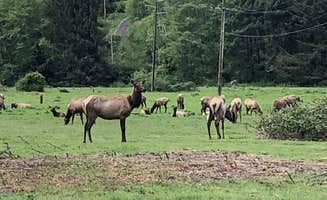
Wildlife viewing on horseback: Roosevelt elk herds are frequently visible at several riding areas. "Rosevelt Elk roam through the campground. They were obviously used to people," reports Nicole B. from Elk Country RV Resort. Morning and evening hours typically offer the best wildlife viewing opportunities on established trails.
What campers like
Secluded forest sites: Elam Backcountry Camp provides wilderness camping experiences for equestrians. "I think this is the primary campground used by most hikers, (and the gravel bar near by)," explains Sharon B. The camp's location along main trails makes it convenient for overnight pack trips.
Coastal access points: Riders appreciate direct beach access from staging areas. "This was my first time to the Lost Coast. The drive from Ferndale to Mattole Campground was like entering another dimension," says Nathan P. The combination of mountains and shoreline creates unique riding opportunities unavailable in inland locations.
Spacious camping areas: Most equestrian sites offer more room than standard campsites. "Very large spaces but, don't accept to see any trees," notes Ioan P. from Samoa Boat Ramp County Park. This additional space accommodates trailers, corrals, and gear storage necessary for horse camping.
What you should know
Weather considerations: Coastal fog and temperature fluctuations affect riding conditions year-round. "Be prepared for weather changes and cooler weather, it can change rapidly," advises David M. Riders should pack layers and rain gear even during summer months.
Road conditions: Many horse camps require travel on unpaved or narrow roads. "Road is narrow and steep with low hanging trees. The further I got down it the more uncomfortable I got," cautions Jules S. about access to Lacks Creek BLM. Large horse trailers may have difficulty accessing some locations.
Reservation requirements: Book equestrian sites well in advance during peak season. "Reservations are required and should be secured well in advance," particularly for designated horse camps with limited availability between May and October.
Tips for camping with families
Safety procedures: Establish clear guidelines for children around horses. "Bear canister is required if you do not have access to a site with a bear locker," reminds Sharon B. about Elam Backcountry Camp. This applies to food storage for both humans and horse feed in wilderness areas.
Alternative activities: Provide options for non-riders in your group. At Humboldt County Fairgrounds, "Walked around Ferndale and had great Mexican food. The coffee shop in town was super cool and cozy," reports Maureen F. Many horse camps are located near towns with family-friendly attractions.
Beginner-friendly trails: Select appropriate routes for younger or inexperienced riders. "The spots are level, it felt safe enough. Quiet. Close to Ferndale, which is Must See," suggests a reviewer about Humboldt County Fairgrounds, which provides access to gentler terrain suitable for novice riders.
Tips from RVers
Horse trailer parking: Verify space availability for combined rig length. "The roads accessing the camp accommodate large horse trailers and rigs, with ample parking available for vehicles with trailers," but not all campgrounds can accommodate the largest combined lengths.
Hookup options: Check utility connections specific to each equestrian campground. "30 amp and 50 amp power and water at each side," notes a visitor to Humboldt County Fairgrounds. Many horse camps offer limited or no hookups compared to standard RV parks.
Corral facilities: Confirm available horse containment options before arrival. At Elk Country RV Resort, "We stayed on the 'meadow' side where the elk roam through your campsite," explains Nicole B. Some campgrounds provide individual corrals while others require portable containment systems.





 Guide
Guide


