



Bradee A. Ranger
RangerMile 48, Chena Hot Springs Road
Beautiful
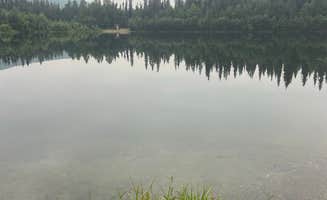
Mile 48 pond access on Chena Hot Springs road. Two small lakes filled with fish. Busy on the weekends but empty during the week. Beautiful
5 campgrounds · Check availability for any dates.
Dispersed camping opportunities near North Pole, Alaska include several free pull-off sites along major roadways. The Elliott Highway Pulloff Loop offers private camping spots tucked behind trees and fireweed, though visitors report significant mosquito activity during summer months. Fires are permitted at this location, and both alcohol and pets are allowed. Road noise is described as mild, and the site provides good tree cover for shade.
Along Chena Hot Springs Road at Mile 48, campers can access two small fishing lakes with picnic tables and basic toilet facilities. This area remains busy on weekends but relatively empty during weekdays. The site is popular among anglers and serves as a convenient stopping point for visitors to nearby Chena Hot Springs. According to one visitor, "We stopped here on our way out of Chena hot springs and went fishing. We were the only ones there and it was so peaceful." Most dispersed sites in the region lack amenities such as drinking water, electrical hookups, or dump stations, requiring visitors to pack in supplies and pack out waste.
"Gravel access off Chena Hot Springs Road at mile 38.1. When you enter the area stay to the right and it opens up on a large gravel area above the river."
"We were the only ones here and tucked away behind all of the trees and fireweed. Road noise was mild and it got fairly dark under the cover of the trees."
"Mile 48 pond access on Chena Hot Springs road. Two small lakes filled with fish. Busy on the weekends but empty during the week. Beautiful"
RangerMile 48 pond access on Chena Hot Springs road. Two small lakes filled with fish. Busy on the weekends but empty during the week. Beautiful

 Legend
We were the only ones here and tucked away behind all of the trees and fireweed. Road noise was mild and it got fairly dark under the cover of the trees. We didn’t even get out of our van because the mosquitoes were so bad though. We also saw two porcupines here as well.
LegendWe stopped here on our way out of Chena hot springs and went fishing. We were the only ones there and it was so peaceful. We really enjoyed it.
Dispersed camping opportunities in the North Pole, Alaska region extend throughout the surrounding boreal forest ecosystem, characterized by stands of spruce, birch, and aspen trees. Winter temperatures can drop below -40°F, while summer temperatures range from 45-80°F with extended daylight hours. Several free camping locations exist along major routes connecting this Interior Alaska community to Fairbanks and wilderness areas.
Fishing at local ponds: The Mile 48 area on Chena Hot Springs Road features two small fishing lakes with basic facilities. "Mile 48 pond access on Chena Hot Springs road. Two small lakes filled with fish. Busy on the weekends but empty during the week," notes reviewer Bradee A. at Mile 48, Chena Hot Springs Road.
Wildlife viewing opportunities: The Elliott Highway corridor provides chances to observe northern wildlife in their natural habitat. "We didn't even get out of our van because the mosquitoes were so bad though. We also saw two porcupines here as well," reports Riley N. about their stay at Elliott Highway Pulloff Loop.
Proximity to Chena Hot Springs: Many dispersed camping spots serve as convenient bases for day trips to Chena Hot Springs, approximately 60 miles east of North Pole. Several roadside camping areas allow overnight stays within driving distance of this popular natural attraction.
Privacy and seclusion: Many free camping areas near North Pole offer secluded spots away from crowds. A visitor to Elliott Highway Pulloff Loop described their experience: "We were the only ones here and tucked away behind all of the trees and fireweed. Road noise was mild and it got fairly dark under the cover of the trees."
Accessibility from major roads: Dispersed camping spots are typically located near main routes, making them convenient for travelers. At roadside camping spot, camper James B. noted it's "close to the highway but was pretty quiet for sleeping. Good open area so solar and Starlink were happy. Easy to get level."
Weekday tranquility: Many camping areas experience lower usage during weekdays compared to weekends. "Busy on the weekends but empty during the week," reports one camper about Mile 48 on Chena Hot Springs Road, suggesting Monday through Thursday visits for those seeking solitude.
Seasonal insect activity: Mosquitoes and other biting insects can be prevalent during summer months. A camper at 48 Mile Pond Camp reported significant mosquito activity from June through August, recommending mesh screens and repellents for anyone camping in the area.
Limited amenities: Most free camping near North Pole lacks basic services. Campers should prepare to be self-sufficient with water, waste disposal, and other necessities. This includes packing out all trash and bringing sufficient drinking water.
Weather preparedness: Interior Alaska experiences rapid weather changes and temperature fluctuations. Summer can bring unexpected cold snaps, while daytime temperatures may reach into the 80s. Layered clothing and weatherproof shelter are essential even in summer months.
Choose sites with natural boundaries: For families with young children, select camping areas with natural containment features. Sites with cleared perimeters provide defined boundaries to help keep children within sight.
Consider proximity to emergency services: When camping with families, locations closer to North Pole or Fairbanks provide quicker access to medical services if needed. roadside camping spot allows families to camp "outside Fairbanks" while maintaining relatively quick access to town services.
Plan for extended daylight: Summer camping in the North Pole area means almost continuous daylight. Parents report bringing sleep masks for children and using blackout materials on vehicle or tent windows to maintain sleep schedules.
Level parking considerations: Roadside dispersed camping spots vary in surface quality. One RVer at roadside camping spot noted it was "easy to get level" and had a "good open area" for solar panels and satellite reception.
Satellite connectivity: For RVers requiring connectivity, certain open areas provide better reception. "Good open area so solar and Starlink were happy," reported an RVer about their experience at a roadside spot near Fairbanks.
Limited turnaround space: Many dispersed camping pullouts have restricted maneuvering room for larger rigs. RVers with larger vehicles should scout potential sites before committing, as some areas may be difficult to exit if fully occupied.
Frequently Asked Questions
Where can I find free tent camping near North Pole?
Several free dispersed camping options exist near North Pole, Alaska. Elliott Highway Pulloff Loop- Dispersed Camping offers a secluded spot tucked behind trees and fireweed with mild road noise. Be prepared for mosquitoes during summer months. For fishing enthusiasts, Mile 48, Chena Hot Springs Road provides access to small lakes stocked with fish. This area tends to be busy on weekends but much quieter on weekdays. Both locations are tent-friendly and don't require permits or fees, making them ideal for budget camping.
Which is the most popular dispersed campsite near North Pole, AK?
According to TheDyrt.com, the most popular dispersed campground near North Pole, AK is Mile 38.1 Chena River Access with a 4-star rating from 1 review.
What is the best site to find dispersed camping near North Pole, AK?
TheDyrt.com has all 5 dispersed camping locations near North Pole, AK, with real photos and reviews from campers.
Keep Exploring