Dispersed camping near Cherokee, Alabama provides primitive overnight options on public lands including both federal and state-managed properties. Winter camping offers milder temperatures averaging 40-55°F with decreased insect activity compared to summer months. Most sites require high-clearance vehicles for access, with road conditions deteriorating significantly after rainfall.
What to do
Hiking exploration opportunities: The trails around Sipsey Wilderness near Wolf Pen Hunters Camp connect campers with unique forest ecosystems. "The hiking in this area is incredible and makes you feel like you are in another world. We have taken several trips to this area and it is well worth it," notes Asher K., who recommends checking hunting seasons before hiking to ensure visibility for safety.
Wildlife observation: Early mornings provide optimal wildlife viewing across most primitive campsites. At Boondock Dispersed Camping Alabama, campers report rich biodiversity. "Lots of bird sounds especially in the morning. The stars were incredible after the moon went down a bit," shares Rae W., highlighting the natural soundscape that peaks at dawn.
Historical interest points: Several dispersed camping areas contain historical markers documenting the region's past. "This trail is rich in history, and there are a lot of plaques telling about certain natural and man made features along the trails," explains Trinity W. about the hiking options that extend from camping areas.
What campers like
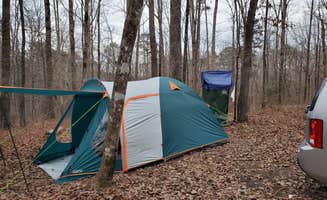
Secluded camping clearings: Most dispersed camping areas offer varying levels of privacy between sites. "Sites are spread out and pretty private. Overall a good free camp site," reports Sam O. about Wolf Pen Hunters Camp, noting that while sites can be muddy after rain, the level clearings accommodate multiple tent setups.
Night sky viewing: The minimal light pollution creates exceptional stargazing conditions at TVA-Nature Trail and Recreation Area, especially during clear winter nights. "The stars were incredible after the moon went down a bit," according to one camper who visited during warmer months when humidity was higher.
Natural soundscapes: The distance from major roadways creates opportunities for immersive natural sound environments. Charles notes about Boondock Dispersed Camping Alabama, "We loved it because there was no chance of hearing any cars and the animal noises were fantastic," highlighting the fox calls frequently heard after dark.
What you should know
Limited facilities: Most dispersed camping areas provide no amenities. "This was basically a forest road with dispersed camping. If there are toilets and water we never saw them," Amanda C. explains about her Wolf Pen Hunters Camp experience, reinforcing the need for complete self-sufficiency.
Site occupancy patterns: First-come, first-served sites fill quickly during hunting season and spring weekends. "If you can get there quick enough there are some pretty good spots to camp and it's free," advises Timothy K., suggesting early arrival, especially for weekend camping.
Navigation challenges: Many dispersed camping areas have unmarked access roads. "Easy drive on paved road until you reach the GPS coordinates. I wouldn't have seen the little gravel road if I hadn't been looking for it," shares Charles about McDougal Hunt Camp, emphasizing the importance of precise navigation tools.
Weather considerations: Seasonal rain affects road conditions significantly. "It had been raining so the last spot at the end was all muddy," reports Rhea B. about December conditions, noting that middle camping spots often drain better than those at road ends.
Tips for camping with families
Playground access: For families wanting amenities between primitive camping sessions, certain areas provide developed facilities nearby. "At the trail head and parking area, there is a nice well-kept, clean restroom building with flush toilets. Behind that building, they recently put in a very nice playground and a pavilion with picnic tables," notes a reviewer about facilities adjacent to primitive camping areas.
Educational opportunities: Nature identification markers throughout some areas provide learning experiences for children. "There are also small plaques around some of the plants telling what they are and a little about them," explains a camper at Lentzville Road, offering natural science education options.
Access to supplies: Most dispersed camping areas require a 25-30 minute drive for resupply. "Closest stores are in Moulton," mentions Rhea B., identifying the nearest reliable source for forgotten items or emergency supplies.
Tips from RVers
Site selection for vehicles: The first dispersed sites off main roads typically accommodate smaller RVs and trailers. Dwight L. details the Boondock spot layout: "There's 3 individual sites along this roadway. The first site is located approximately 1/10 mile down on the right and the second site is further at approximately 3/10 miles," with the entrance typically offering the most level parking.
Seasonal road conditions: Gravel access roads deteriorate significantly after heavy rainfall. "Sites were level and clear. A little muddy but it had been raining," notes Sam O., suggesting higher clearance vehicles during wet seasons.
Limited turning radius: End-of-road campsites may not provide adequate turning space for larger vehicles. "The road follows a slow gradual decline leading another 2-300 yards where the graveling leads to the 3rd and final site which is nestled in a nice culdesac area," explains Dwight L., indicating potential challenges for longer rigs requiring turnaround space.





 Scout
Scout


