Potholes State Park Campground sits on the eastern edge of the Columbia Basin, surrounded by stark desert landscapes formed by ancient floods. Located at an elevation of approximately 1,000 feet, this area experiences temperature extremes with summer highs commonly reaching 90°F. The campground extends around O'Sullivan Reservoir, a man-made lake spanning over 6,000 surface acres where water levels fluctuate seasonally.
What to do
Fishing access options: Potholes State Park Campground serves as a prime fishing destination with multiple water access points. "There's great fishing if you have a boat, but with no easily accessible shore, it's not great for shore fishing. The shore is mud so swimming also isn't ideal either," notes Stephanie S., highlighting the need for watercraft for optimal fishing experience.
Wildlife observation: Blue Lake Resort offers opportunities to spot local fauna including numerous bird species. "Very friendly staff, good walking, can get out onto calm rides on water, get some fresh water swimming, catch good fish," shares Krishna R. The resort's lakefront location creates natural habitat zones that attract diverse wildlife throughout different seasons.
Day hiking: During cooler months, explore the surrounding desert terrain on foot. "Hiking trails for morning exploration" are available at multiple campgrounds. At Douglas Creek, one visitor reports: "Hiked the canyon for ~3miles. Lots of groundhogs and birds." The trails often follow waterways, providing both shade and wildlife viewing opportunities.
What campers like
Beach access: Sandy beaches provide relief during hot summer days. A visitor to Mardon Resort shares: "I love camping in the sand, we always stayed among the willow trees. Wake up hot and jump in the reservoir." The natural shade from willow trees near waterfront sites creates comfortable lounging areas.
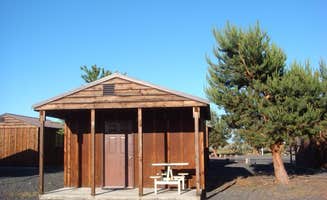
Morning water activities: Calm morning conditions on lakes and reservoirs offer ideal conditions for non-motorized watercraft. "The cabins here are comfy. There is great fishing, a huge day use area with a volleyball court and room to play softball," reports a visitor, highlighting the combination of water and land activities available.
Desert night skies: Once temperatures drop after sunset, the high desert location provides excellent stargazing opportunities with minimal light pollution. At Crescent Bar RV Resort, a camper noted: "We have a beautiful spot with a view of the water, surrounded by green grass, a willow tree and pickle ball court," describing the contrast between developed grounds and natural desert landscape.
What you should know
Heat management strategies: Summer temperatures regularly exceed 90°F with limited natural shade at most sites. "It gets uncomfortably hot very fast if you are not shielded from the sun," warns a camper. Bringing portable shade structures is essential between June and September.
Mosquito populations: Insects thrive near the water bodies, particularly at dusk. "Beautiful trees surrounded the sites provide much need shade during hot summer. However, mosquitoes are leaving you alone every time you are outside," reports Eva H. from Pier 4 RV Resort, indicating the need for insect repellent and protective clothing.
Water conditions: Algae blooms occur in late summer affecting water clarity. "Dead fish and algae in the lake- green speckles. The water is green," reports a recent visitor. Swimming conditions can deteriorate as summer progresses, with best water quality typically found in June.
Tips for camping with families
Playground access: Multiple campgrounds feature play equipment for children. "There is a good playground for kids and a short walking trail," notes a Potholes visitor, suggesting morning or evening use when temperatures are lower.
Wildlife education opportunities: The contrast between desert and water environments creates educational viewing opportunities. "Beaver, otters, and numerous bird species" can be spotted near water edges, making wildlife checklists a popular activity for children.
Safety considerations: Desert wildlife requires awareness. "This was a baby rattlesnake, not a gopher snake. My husband noticed it as he walked by our picnic table because it hissed at him," reports a camper at Potholes State Park. Teaching children basic desert wildlife safety is essential when glamping close to Moses Lake, Washington.
Tips from RVers
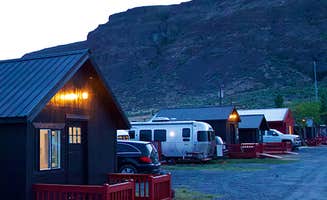
Site selection priorities: Choose sites based on summer shade availability rather than views. "If you disregard the rough old permanent stayers, unclean, weeds and parked cars, the lake view at sunset was beautiful," notes Rich H. about one facility, indicating the tradeoffs sometimes necessary when selecting premium sites for glamping near Moses Lake.
Power requirements: Summer air conditioning demands can strain electrical systems. "The 30 amp plug I plugged into was kind of sketchy. The terminals were melted pretty bad," reports Scott E. RVers should bring surge protectors and monitor power usage during peak heat.
Water filtration needs: Local water sources may contain minerals. "I wish I had taken the time to hook up the water filter," mentions one RVer, suggesting that water quality varies between facilities offering glamping accommodations near Moses Lake.






 Ranger


