Dispersed camping near Fulks Run offers backcountry experiences in the George Washington National Forest at elevations ranging from 1,000 to 4,000 feet. The area receives approximately 40 inches of rainfall annually, creating lush forest conditions ideal for equestrian trails. Campgrounds typically remain open from April through November, with higher-elevation sites closing earlier due to snowfall.
What to do
Horseback riding trails: Explore the extensive trail systems at Lost River State Park Campground, where equestrians can access mountain paths directly from camping areas. Trail difficulty varies from beginner-friendly flat terrain to challenging ridge routes with substantial elevation changes.
Fishing opportunities: Spruce Knob Lake Campground provides stocked trout fishing in spring and fall. "The lake is stocked with trout several times a year. Electric motors only; No swimming allowed," notes Jennifer B. The lake includes a wheelchair accessible fishing pier and boat dock for small watercraft.
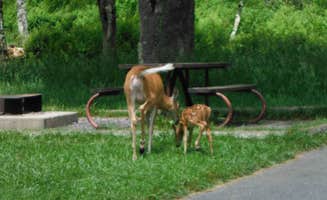
Wildlife observation: Multiple trails lead from campsites into wildlife habitats. "We saw many deer and bear while camping. Just being in Shenandoah is a soothing experience. With so many hiking trails and waterfalls nearby," shares Rachel M. about camping opportunities in the region.
What campers like
Creek-side camping: Visitors appreciate water-adjacent sites. "We were closer to the road than we wanted to be but because the past few days had been beautiful spring weather, the area was packed," writes Melanie S. about Gandy Creek Dispersed Camping, where free primitive campsites spread along approximately 2.5 miles of creek frontage.
Solitude in remote locations: Many equestrian campers prefer less-developed areas for their trips. "This place feel and literally is in the middle of nowhere. It takes forever on dirt forest service roads to finally stumble upon this place, making its beauty that much more enchanting," explains Christopher B. about Laurel Fork Campground.
Natural features: The region offers unusual geological formations. "We hiked around Rock Cliff Lake and observed petrified wood. Swimming is excellent with sand beach. Big catfish in clear water," reports Fred F. about his experience at Trout Pond Recreation Area.
What you should know
Access challenges: Many horse-friendly campgrounds require navigating unpaved roads. "The drive to the campground (Thorny Bottom Rd. CR 16) was a bit windy but doable. Better to go to Wardensville, WV and down 16 rather than try to cross the mountain near East of Trout Pond," advises Laure D. about reaching camping areas.
Limited amenities: Most equestrian camping options provide basic facilities only. "Upon arrival, you realize its special…there aren't many sites…count 'em 14. This is part of the CCC effort of a bygone era. It's quiet…almost too quiet. Let's see…electric…none. Showers…none. Running water…none (well, not counting the river)," explains Dave V.
Weather considerations: Elevation affects camping conditions significantly. "Mid-August was a gamble as to weather. It was gorgeous weather! In the valley and surrounded by beautiful mountain views it was 80 daytime and ~60 at night," notes one visitor at Trout Pond Recreation Area.
Tips for camping with families
Recreational options: Select campgrounds with kid-friendly features. "There is a duck pond, chicken coop, shallow brook, disable farm tractor, and some other stuff to play with/on/in across the street near the lodge," mentions Matt about a nearby farm campground.
Water activities: Several sites offer swimming areas during summer months. "The beach is nice and lots of fishing, hiking, playgrounds for the kids. Whether a day trip or camping this is a nice spot," writes Wendi C.
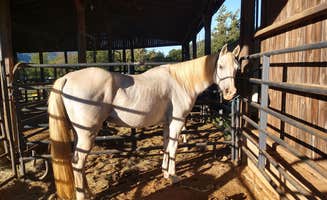
Wildlife viewing opportunities: Children enjoy animal sightings around camps. "Free range horses (they're penned-in) come back at dusk and head out at dawn -- fun to watch from the campground, especially for kiddos," notes one reviewer about Graves Mountain Farm Campground.
Tips from RVers
Site selection: RV campers should research specific sites before arrival. "We were in site 12 which was small for our RV (22 ft total pulled by our F-150) but we worked it out. Site 14 is a buddy electric site. There are a few other buddy sites with no hookups. Site 11 and 13 both look nice and a bit more length to them and have electric (15 amp)," advises an experienced visitor.
Water management: Limited facilities mean planning ahead. "Unless you have a powerful vehicle pulling your camper, it would help to release your water supply and fill up when you get to the campground," suggests chris J. about navigating steep roads to remote campgrounds.
Level sites: Some areas provide better parking than others. "The sites were impressively level, with only minimal leveling needed," reports Jason G. about The Cove Campground, noting that "the roads could use some work, I'd recommend 4x4 drive."




 Guide
Guide


