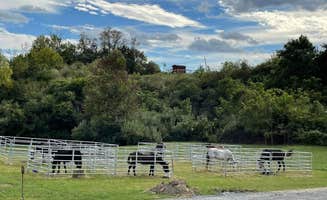
Rock Bottom Horse Camp in Ewing offers equestrians direct access to multiple trail systems throughout Appalachia. The surrounding area spans elevations from 1,200 to 3,500 feet with terrain transitioning from river valleys to mountain forests. Summer temperatures average 75-85°F while spring and fall months maintain 50-70°F conditions ideal for trail riding.
What to do
Trail riding from camp: Tranquility Creek provides access to connecting trail systems through forested terrain. Riders note the terrain offers "a quiet, clean place to rest" with the campground philosophy of "take nothing but pictures, leave nothing but footprints."
River access for horses: At Clinch River Family Campground, trail riders can incorporate river crossings into their route. One visitor mentioned it was "definitely back off the main road nice people that run it. Quite, and people were friendly," making it suitable for horses that need a calmer environment.
Wildlife photography: Trail riders frequently encounter deer, wild turkey, and seasonal migratory birds throughout the area. Bring a camera with telephoto lens as early morning rides provide optimal wildlife viewing opportunities. Morning fog creates dramatic lighting conditions in valleys between May and September.
What campers like
Riverside camping: Equestrians appreciate sites with water access for cooling horses after long rides. One camper at Out on The Creek Campground noted "Great place to camp along side the creek or rv lots with mountain views. Walking distance to Clinch River. Kayak, Hiking, Biking, spacious lots."
Private wooded sites: Many riders prefer secluded camping areas where horses remain calmer. At Panther Creek State Park Campground, one visitor highlighted "I had a very cute camp spot up in the woods away from the road it was number 50 it was so cute and quieter than the rest of the spots. It also had two fire pits one up by the tent area and one down by the picnic table."
Year-round accessibility: Unlike some seasonal facilities, several equestrian campgrounds near Ewing operate throughout winter months. A camper at Anderson County Park observed: "I spent the long Thanksgiving weekend here. Other campgrounds in the area were closed, but this one is open year round. Bathrooms and showers remain open as well."
What you should know
Cell service limitations: Many horse camping areas have minimal reception. At Clayton Geneva Memorial Campground, campers report: "No wifi. I have US Cellular and had limited service. Enough to maybe look something up and receive texts." Download trail maps before arrival.
Weather preparedness: Spring brings frequent afternoon thunderstorms that can create hazardous trail conditions. Avoid exposed ridgelines during storms and check weather forecasts daily. Temperatures in higher elevations can drop 10-15°F compared to camp.
Trail difficulty ratings: Most regional horse trails maintain moderate difficulty ratings requiring some riding experience. Beginners should stick to valley trails under 5 miles. Advanced riders can connect loop systems for 15+ mile day rides across varied terrain.
Tips for camping with families
Kid-friendly horse facilities: Several campgrounds offer programs specifically for young riders. Bring appropriate safety equipment as most locations require helmets for riders under 16. Horse-sharing options allow families with limited mounts to alternate riding times.
Non-riding activities: When not on horseback, families can explore other outdoor options. A visitor to Anderson County Park mentioned: "This specific spot was huge and next to a wooded area and nature walk and, in my opinion, the best site in the whole campground! The bathhouse was small, but functional and clean."
Safety precautions: Always maintain separate areas for cooking and horse containment. Store feed in sealed containers to prevent wildlife encounters. Establish clear rules about approaching unfamiliar horses at shared facilities to prevent accidents.
Tips from RVers
Trailer positioning: Horse trailers with living quarters require careful site selection. Most equestrian campgrounds near Ewing provide pull-through sites 50-75 feet in length. Reserve corner sites for easier maneuvering with larger rigs.
Water and waste management: Plan water usage carefully as hookup availability varies between facilities. Many sites require conservation methods during summer months. Bring supplemental water containers for horse hydration needs at primitive sites.
Site spacing requirements: Request sites with adequate distance between neighbors when traveling with multiple horses. At Riverside RV Park & Resort, campers note it "had all the amenities you would want in a full service RV Park" though it's "not particularly charming, but seems to be clean and well run."





 Legend


