The Big South Fork National River and Recreation Area spans approximately 125,000 acres of the Cumberland Plateau along the Kentucky-Tennessee border, with elevations ranging from 700 to 1,600 feet. The region features a mix of hardwood forests, sandstone bluffs, and the gorge carved by the Big South Fork of the Cumberland River. Winter temperatures can drop below freezing, requiring campers to prepare for variable weather conditions when visiting outside summer months.
What to do
Hiking diverse terrain: At Bandy Creek Campground, trails range from easy riverside paths to challenging mountainside routes. "You can do miles of trails from here. The campsites are nice and well maintained. There are tent only sites and RV sites," notes Sarah E., who recommends bringing enough water for longer hikes.
Kayaking and fishing: The Big South Fork river offers excellent smallmouth fishing spots accessible from multiple campgrounds. "The Big South Fork river is some of the best smallmouth fishing around," according to Nate H., who recommends checking water levels before planning river activities, especially in late summer.
Stargazing opportunities: Take advantage of minimal light pollution for night photography. "Camped here a few years ago and got wonderful night sky shots. Definitely worth a stay if you're visiting Big South Fork," shares Tyler J., who recommends bringing a tripod and red-filtered flashlight for preserving night vision.
What campers like
Spacious, private sites: Clayton Geneva Memorial Campground offers waterfront camping with good spacing between sites. "Sanded, river front tent sites. The camp sites are also shaded, very comfortable even in July," says Amber H., highlighting the natural sandy tent pads that provide comfort for ground sleepers.
Clean facilities: Many campers appreciate well-maintained bathroom facilities throughout the area. "The shower house was heated and well maintained. The campground was clean and well taken care of," reports one Bandy Creek visitor who camped during below-freezing temperatures.
Family-friendly amenities: Some campgrounds offer additional recreation options beyond trails. "Just ran into this spot and was pleasantly surprised at how nice it was especially for the cost. Showers and facilities were great and clean. Tent camping and RVs were separated in different loops which is nice," writes Martin M., who also notes the playground and pool available at Bandy Creek.
What you should know
Limited cell service: Many campgrounds in the region have spotty or no mobile connectivity. "Very quiet getaway," says Mickey L. about Bear Creek Horse Camp, reflecting the disconnected nature of the area that appeals to those seeking a true break.
Seasonal considerations: Some facilities operate limited schedules. "Parts of this campground are open all year, though you need to bring your own water while there's a chance of frost," advises Dan N. about winter camping options, noting that water systems are typically winterized from November through March.
Road conditions: Access to some campgrounds requires careful driving on gravel roads. "Make sure you have the horse power for the hills going out. I had to back down the gravel hill and get a second run to make it up!" warns Shelly S. about accessing some of the more remote horse camps in the area.
Tips for camping with families
Consider site location: Select campgrounds with kid-friendly spaces and amenities. "The tent pads were huge, lots of space to play at each site," notes Chelsea D., although she cautions that "most of the trails are much longer than 2 miles, so there wasn't much to do with our two toddlers."
Wildlife viewing opportunities: Great Meadows Campground offers good wildlife spotting for young nature enthusiasts. "We saw some deer and turkeys, so there's wildlife around for sure!" shares one visitor who suggests bringing binoculars for children to observe animals at a safe distance.
Bring alternative activities: Pack games and activities for downtime between outdoor adventures. "The area is never overcrowded, even in the middle of summer," says a camper who recommends bringing yard games since many sites feature grassy areas suitable for family play.
Tips from RVers
Site length limitations: Little Lick Campground offers primitive camping with spacious sites for multiple setup options. "Not a lot of sites but they are big and you can easily have several tents or hammocks in each spot," explains Shelly S., noting that RVers should check site lengths before booking.
Hookup availability: Electric and water connections vary significantly between horse campgrounds near Big South Fork National River and Recreation Area. "The campgrounds were clean and well maintained, the vault toilets were clean and stocked. Water spigots were available at the campground, but no dump station or trash cans. So be prepared to pack your shit out," advises one camper about the more primitive options.
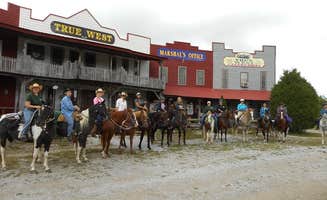
Dump station access: Plan waste management before arrival at True West Campground & Stables, which offers full facilities. "Nice level spots that are easy to get in and out of, dump station on site which was very easy to get to," reports Heather S., adding that the sites accommodate horse trailers with living quarters.






 Legend


