



Sebastian B. Scout
Scout
ScoutBargain On The Beach
Mr
thiago Brito
Cinnamon Bay Beach and Campground stands as the primary established camping option within Virgin Islands National Park. This beachfront campground accommodates tents, RVs, and cabins with direct access to the Caribbean Sea and is accessible via drive-in routes. Additional lodging options include Virgin Islands Campground, which is accessible by boat and offers basic amenities including drinking water, picnic tables, showers, toilets, and trash service. The region encompasses a mix of developed sites where visitors can experience tropical camping within protected national park boundaries.
Permits and reservations are essential when planning a Virgin Islands camping trip, as most facilities have limited capacity. The tropical climate creates consistently warm conditions year-round, though summer offers optimal weather while fall and winter months fall within hurricane season. "The Virgin Islands is known for being almost all National Forest, which is awesome for hiking. There is some really great hikes that lead to some of the best snorkeling," noted one camper who recommended visiting during summer months to avoid storm impacts. Most campgrounds feature sandy grounds with minimal shade, requiring early arrival to secure spots with natural tree cover.
Beachfront camping locations receive consistently positive reviews from visitors, particularly for their proximity to crystal-clear waters ideal for swimming and snorkeling. Cinnamon Bay campsites are approximately a five-minute walk from the beach, camp store, dining facilities, and public transportation. Water activities dominate the camping experience, with snorkeling near sea turtles, colorful fish, and coral reefs frequently mentioned as highlights. Hikers appreciate the extensive trail system throughout the national park, though many recommend morning excursions before the heat and humidity intensify. Wildlife sightings, particularly sea turtles and tropical fish, rank among the most memorable aspects of the camping experience according to visitor reviews.
"For a national park paradise experience, it doesn’t really get better than camping at Cinnamon Bay in Virgin Islands National Park."
"Cinnamon Bay was definitely one of my favorite beaches in the Virgin Islands. I went with my family and wife on a trip here, where we spent 2 weeks enjoying the Virgin Islands and all the beaches."
$149 - $259 / night
$49 - $219 / night
Scoutthiago Brito

 Guide
GuideReally enjoyed our visit to Maho Bay (my wife reviewed this one as well- Sasha). There was some really great snorkeling here and it’s a bit more private that Cinnamon Bay! We saw a little clan of turtles that was amazing! Seeing turtles was the highlight of our trip. Also, the Island is known for being almost all National Forest, which is awesome for hiking. There is some really great hikes that lead to some of the best snorkeling! Didn’t see any sharks on our stay, which was great. We spent a ton of time in the water snorkeling! I would recommend going in the summer months because they have terrible storms in the fall and winter months. The weather was perfect, humid, but great! The sunsets are incredible!! Highly recommend this beach, for its snorkeling and relaxation.
GuideCinnamon Bay was definitely one of my favorite beaches in the Virgin Islands. I went with my family and wife on a trip here, where we spent 2 weeks enjoying the Virgin Islands and all the beaches. Cinnamon Bay was very busy, because it is one of the most popular places to come. We did some early morning hiking, and spent the afternoon at this beach. Some of the best snorkeling was here! We saw so many beautiful fish, turtles and colorful plants. We did a ton of snorkeling here, and enjoyed every bit of it. The beach was clean, but again it was busy. Go early to claim a spot!

 Traveler
I camped in March 2016 prior to Hurricane Irma.
The campsites are approximately 5 minute walk to beach, camp store, dining, and bus stop.
Beautiful scenery - absolutely paradise.
The campsites are sandy with soft ground and have a picnic table.
You can walk to several attractions from the campground.
NOTE: Currently the campground is closed due to Hurricane Irma. The Hurricane destroyed many historic buildings in and around the campground.

 Ranger
Maho Bay was my second favorite beach when visiting the Virgin Islands. It was beautiful but honestly anywhere in the VI is amazing! The water is gorgeous and clear. We did a hike in the morning that was nearby and ended up at Maho Bay in the afternoon after the hike. We got a great spot with trees for shade. Shade is key because it gets super muggy and hot in the afternoons!! The snorkeling at this beach was awesome! We saw some turtles which was my goal to see in the VI and we definitely saw our fair share. It’s so fun to try and find them and then swim along side them. The fish are beautiful as well. This beach is clean and fairly big, although I’d recommend going early to get a good spot. Bring food and lots of water!! We went through quite a few waters while being here for the day. Loved every second of being here and can’t wait to come back someday!!
RangerIf you ever have the opportunity to visit the Virgin Islands I would highly recommend it. This place is magical. The water is crystal blue clear and the hiking here is amazing!! I would say half of the island is National Park which is super cool. I would recommend coming in the summer months because during the fall and winter is their hurricane seasons and it is crazy how impactful the hurricanes are. It’s super sad. We went in June and the weather was perfect. It is a little muggy here, so do your hiking early in the morning. Cinnamon Bay was one of my favorite beaches. We did tons of snorkeling and also did a scuba dive here (but farther off the beach). The waterlife is incredible, and of course the water is magical. We saw turtles, tons of beautiful fish and coral. No sharks, which I was glad. This beach was pretty busy, so I’m glad we got here early to get a good spot. Bring lots of snacks and water because there really isn’t a food place on the beach. We brought sandwiches from our rental house and tons of water and Gatorade. There are also a lot of chickens!! So many chickens walking everywhere. They weren’t really on the beach area, but definitely on the boardwalk areas. They were cute at first, but then just got annoying because they were everywhere. If you also have the chance, I’d recommend going over to the British Virgin Islands. It’s onky a boat ride away and it’s amazing!!!
 Ranger
The Virgin Islands are my favorite place on earth. The water is crystal clear and the water life is amazing. Cinnamon Bay was hands down my favorite beach to visit. The snorkeling was incredible here. We brought our own snorkels and goggles, and we were out on the water for hours on end. We got to the beach around 9am and claimed our spot. We found a great spot with some trees, and hung our hammocks up and put our beach towels down with chairs. We immediately went out on the water to snorkel. We saw so many different kinds of fish, all beautiful colors. We also saw some turtles which was my top goal. The turtles were amazing, and they were fun to swim by. There was really pretty coral too. We saw some squid which was really cool. The next day we came back to this beach, but did a hike nearby first. I would recommend hiking early in the morning before the sun starts shinning and it gets miserably hot. We saw Cinnamon Bay from the top of the hike we went on. I seriously cant get over how incredible the water color here is!!
RangerMaho Bay is such a gorgeous place! I mean anywhere in the Virgin Islands is amazing! The water is absolutely crystal clear, and the underwater life is my favorite part. We really loved Maho Bay. It’s definitely busy, so I would recommend getting there early to claim a spot on the beach. There was a great spot we snagged that had wonderful trees for shade AND they were perfect to hang up our hammocks! We enjoyed snorkeling and seeing the underwater life. You definitely have to do this. No sharks spotted but we did see an eel and lots of beautiful fish!! We even saw some turtles which was the highlight of my trip! Great hiking around the area, too! Highly recommend, but do it early because it gets hot and muggy quick. Can’t wait to come back someday!

 Legend
The Virgin Islands was one of my favorite trips my family and I took. I love that most of the island is National Park. So many great hikes. Cinnamon Bay didn’t disappoint! The water is crystal clear, gorgeous blue color. We did so much snorkeling, which I highly recommend. We brought our own snorkel gear but you can definitely purchase gear nearby. They sell snorkel gear throughout the whole island. The underwater life is incredible!!! There are also some really awesome hikes nearby as well. I’d recommend starting early if you plan to hike because the weather gets hot and muggy! This beach was one of my favorites!!
Virgin Islands National Park campsites operate primarily during the dry season from December to April when temperatures average 78-85°F with minimal rainfall. The park encompasses 7,259 acres on St. John island where camping facilities face limited availability due to hurricane recovery efforts. Most sites feature sandy terrain with minimal natural shade, necessitating early arrival for securing spots with tree cover.
Snorkeling excursions: Cinnamon Bay offers exceptional snorkeling opportunities with abundant marine life. "We brought our own snorkel gear but you can definitely purchase gear nearby. They sell snorkel gear throughout the whole island. The underwater life is incredible!!!" notes Sasha W. about Cinnamon Bay Beach And Campground.
Early morning hiking: Trail exploration is most comfortable before midday heat intensifies. "I would recommend hiking early in the morning before the sun starts shinning and it gets miserably hot. We saw Cinnamon Bay from the top of the hike we went on," advises Isabella H. Many trails provide elevated vantage points of beaches and surrounding landscapes.
Wildlife observation: Sea turtle viewing ranks among top visitor activities. "The snorkeling was incredible here. We saw so many different kinds of fish, all beautiful colors. We also saw some turtles which was my top goal," shares Isabella about her experience at Cinnamon Bay. Multiple review accounts mention turtle sightings near shorelines at various depths.
Convenient campsite locations: Proximity to facilities and transportation makes daily excursions manageable. "The campsites are approximately 5 minute walk to beach, camp store, dining, and bus stop," explains Diana B. about Virgin Islands Campground, highlighting the practical layout that minimizes transit time between accommodations and activities.
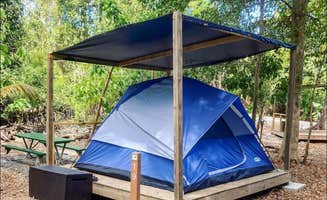
Platform tent options: Canvas accommodations provide essential camping gear without requiring visitors to transport equipment. "We chose a canvas platform tent ($68/night in December 2015) because it provided everything we would need for our time here: cots, linens, towels, gas stove, cooking utensils and dishes, a cooler, and a lantern," reports SwitchbackKids at Cinnamon Bay.
Marine ecosystem diversity: Underwater visibility and species variety create memorable experiences. "We did tons of snorkeling and also did a scuba dive here (but farther off the beach). The waterlife is incredible, and of course the water is magical. We saw turtles, tons of beautiful fish and coral. No sharks, which I was glad," recounts Evelyn R. about her Cinnamon Bay experience.
Limited food availability: Beaches offer few dining options, requiring visitors to pack provisions. "Bring lots of snacks and water because there really isn't a food place on the beach. We brought sandwiches from our rental house and tons of water and Gatorade," advises Evelyn R. from Bargain On The Beach.
Weather considerations: Hurricane season significantly impacts travel plans. "I would recommend coming in the summer months because during the fall and winter is their hurricane seasons and it is crazy how impactful the hurricanes are," suggests Evelyn R., emphasizing the importance of seasonal planning.
Wildlife interactions: Local fauna includes more than marine species. "There are also a lot of chickens!! So many chickens walking everywhere. They weren't really on the beach area, but definitely on the boardwalk areas. They were cute at first, but then just got annoying because they were everywhere," notes Evelyn R. about terrestrial wildlife encounters.
Early arrival strategy: Securing optimal camping locations requires morning planning. "We got to the beach around 9am and claimed our spot. We found a great spot with some trees, and hung our hammocks up and put our beach towels down with chairs," recommends Isabella H. at Rooster Run Guest House and Camping.
Activity scheduling: Alternating between water activities and land exploration maximizes comfort. "We did some early morning hiking, and spent the afternoon at this beach," explains Drew W., describing how his family balanced activities to avoid midday heat exposure.
Equipment preparation: Bringing proper gear enhances the experience while minimizing costs. "We brought our own snorkels and goggles, and we were out on the water for hours on end," notes Isabella H., highlighting how family-owned equipment facilitated extended water activities without rental expenses.
Limited RV facilities: Virgin Islands campgrounds provide minimal infrastructure for recreational vehicles. The restricted road system and ferry access limits large vehicle camping options throughout the islands, with most RV accommodations being smaller Class B or compact units.
Utility connections: Hookup availability varies significantly across sites. Cinnamon Bay lacks traditional RV amenities such as sewer, water, or electrical connections, requiring self-contained operation or alternative accommodation options like cabin rentals within the same campground.
Frequently Asked Questions
What amenities are available at Virgin Islands National Park campgrounds?
At Rooster Run Guest House and Camping, you'll find basic amenities including water and toilets with both walk-in and drive-in access options. The campsites in the park typically include picnic tables and are set on soft, sandy ground. Most campgrounds are strategically located within a short walking distance (about 5 minutes) to beaches, dining options, camp stores, and bus stops. Amenities focus on providing the essentials while preserving the natural paradise setting. The proximity to beaches allows for easy access to swimming, snorkeling, and hiking without requiring extensive facilities.
Where can I camp in Virgin Islands National Park?
The primary camping option in Virgin Islands National Park is Cinnamon Bay Beach And Campground — Virgin Islands National Park, which offers an affordable paradise experience compared to the more expensive Caneel Bay Resort. Cinnamon Bay provides beautiful beachfront camping with easy access to hiking trails and crystal clear waters. For those seeking alternatives, Virgin Islands Campground is accessible by boat and offers a different experience. The campgrounds are located within the national park, which covers approximately half of the island, giving you excellent access to beaches and trails.
Do I need permits for camping in Virgin Islands National Park?
Yes, permits are required for camping within Virgin Islands National Park. The National Park Service manages the permitting system to regulate visitor numbers and protect the delicate ecosystem. Reservations are strongly recommended, especially during peak seasons (summer months), as camping locations like Bargain On The Beach become very popular and fill quickly. Permit fees help maintain park facilities and conservation efforts. You can obtain camping permits through the official National Park Service website or at the visitor center upon arrival, though advance planning is advisable to secure your spot in this tropical paradise.
Keep Exploring