








 Legend
Tripoli Road
Dispersed camping, be bear aware!
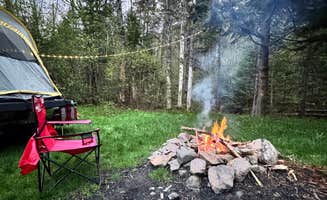
Tripoli Road is a seasonal road, opening in late May most years and closing in autumn. Check the White Mountain National Forest Facebook page for up to date road closures/status. The section before Russell Pond often opens before the rest of it, which is graded, not paved. The road runs between the Waterville Valley area and I-93 exit 31. This is roadside camping, no frills, first come, first served. You must stay at a site with a fire ring, but sites are not numbered. Road signs demarcate no camping zones; some areas look like they could be campsites, but will also be marked with no camping signs.
You must register at the ranger station on the western end of the road, shortly past the entrance to the Russell Pond campground. Rates are a flat rate set per car and per weekends or weekday period. In other words, you pay one rate for 1-5 weekdays ($20 in 2019) and another fee for a weekend($25-30 - holidays). It’s self service most of the time, with the ranger available Friday and Saturday evenings.
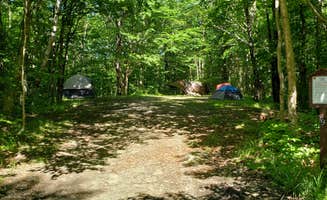
The sites vary from sites near and level with the road to ones set above or well below the road. Some are near a river, most are wooded. Some are isolated, others are close together. There are no reservations, so you'll be choosing your own when you arrive. Downhill sites closest to the Russell Pond area seem to be most popular. Most of these were occupied on a late June weekend, while those farther down the road remained empty.
There are port-a-potties near the western entrance, but otherwise you’re on your own with cat holes or portable toilet solutions. Nearest showers are at Russell Pond. Please keep it clean and protect the area. I’ve passed through several times while hiking My Osceola and have observed that these sites are often filled with groups or families with multiple tents. On a late June weekend there are numerous empty sites, so they seem to be more available than the dispersed sites along Gale River Rd and Haystack Rd (farther north in Twin Mountain). Excessive drinking and noise can be an issue.
You need to be aware that bears are in the area. Following the July 4, 2019 holiday, the camping area was closed after bears visited campsites and got into food that was left in the open and not secured in vehicles or bear canisters. The camping area re-opened July 19, but check the White Mountain National Forest FB page before heading up there. If the issue recurs, I wouldn't be surprised if they close it again.
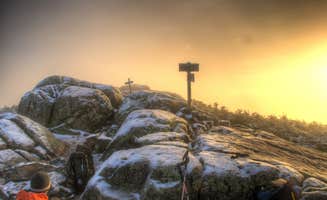
Hiking in the region include the Osceolas (moderate hike with beautiful views, exceedingly popular and crowded on autumn weekends - get there early!), Tripyramid, and Tecumseh. Shorter treks include Welch-Dickey (great open ledges) and Snow's Mountain (along a river with falls). Nearby Russell Pond offers ranger programs, fishing, and you can put a kayak or canoe in. The Pemigewassett offers tubing and kayaking put ins. Outfitters one exit south can provide you with transportation and rentals. Exit 32 for Lincoln, Woodstock, and the Kanc is less than 5 miles north.
Cell service is decent at nearby Russell Pond (Verizon seemed to offer better service than AT&T).


