Dispersed camping near Smyrna, Tennessee includes remote options within the wider Middle Tennessee region. The area sits at approximately 550 feet above sea level in Tennessee's Central Basin, characterized by limestone bedrock and oak-hickory forests. Summer temperatures frequently exceed 90°F with high humidity, making spring and fall the most comfortable seasons for primitive camping experiences.
What to do
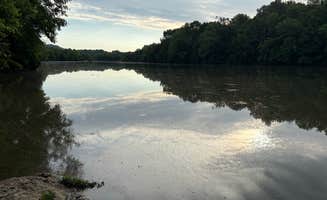
Fishing opportunities: Goose Island - J. Percy Priest Lake provides excellent bass fishing from shore. "The fishing was surprisingly good right from our campsite. We caught several smallmouth bass during our overnight stay," reports a regular visitor.
Horseback riding trails: Access equestrian-friendly primitive camping at Cordell Hull Horseback Trails where riders can camp near their trail routes. The area features approximately 15 miles of interconnected riding trails through hardwood forest terrain.
Wildlife observation: Primitive camping near Smyrna offers substantial wildlife viewing opportunities, particularly during dawn and dusk hours. Visitors commonly spot whitetail deer, wild turkey, and various waterfowl species around the shorelines.
What campers like
Solitude and seclusion: The boat-in requirement at Goose Island creates a natural barrier that limits crowds. "We spent two nights mid-week and had the entire island to ourselves. The isolation was exactly what we were seeking," notes one camper who kayaked to the site.
Stargazing conditions: The minimal light pollution at primitive sites near Smyrna provides excellent night sky viewing. Clear nights offer visibility of the Milky Way and meteor showers during peak astronomical events.
Natural swimming areas: During summer months, the shallow coves near Goose Island create natural swimming areas with gradually sloping shorelines. The water temperature typically reaches the mid-80s by July, making it comfortable for extended swimming sessions.
What you should know
Complete self-sufficiency required: All dispersed camping locations near Smyrna require bringing all necessary supplies. No potable water sources exist at these primitive sites, and campers must pack out all waste.
Seasonal considerations: Spring camping brings potential for thunderstorms and higher water levels at Goose Island. Fall offers more stable weather patterns and fewer insects, making September through early November particularly favorable for primitive camping.
Limited cellular connectivity: Most dispersed camping areas experience spotty cell service. Verizon typically provides the most reliable connection, though signal strength varies throughout the camping areas.
Tips for camping with families
Safety preparations: When camping with children at Goose Island, bring life jackets for all family members regardless of swimming ability due to unpredictable currents in Percy Priest Lake.
Wildlife precautions: Store food securely at primitive sites. "We hung our cooler from a tree branch after raccoons attempted to open it the first night. This worked perfectly for our three-day stay," advises a family who camped with elementary-aged children.
Activity planning: Bring nature identification guides specific to Middle Tennessee to engage children in identifying local flora and fauna. The diverse ecosystem supports educational opportunities for identifying various tree species, tracks, and bird calls.
Tips from RVers
Access limitations: The primitive camping locations near Smyrna generally cannot accommodate RVs due to limited access roads or boat-in requirements. Consider nearby developed campgrounds as alternatives for RV camping.
Day trip potential: RVers staying at developed campgrounds can use dispersed sites for day trips. Kayak rentals are available at several Percy Priest Lake marinas for approximately $40-60 per day for visits to Goose Island.
Permit requirements: While camping permits are not required for most dispersed sites, vehicle parking at Percy Priest Lake access points may require day-use fees depending on the specific launch location used.




 Guide
Guide