Dispersed camping opportunities near Bean Station, Tennessee extend beyond the Cherokee National Forest into surrounding public lands. The region sits at the foothills of the Appalachian Mountains with elevations ranging from 1,000 to 2,500 feet. Most primitive sites in this area experience moderate rainfall throughout the year with summer temperatures averaging 75-85°F and winter lows frequently dropping below freezing.
What to do
Fishing access: Paint Creek Corridor offers stream fishing opportunities alongside primitive campsites. While designated sites can be limited, the waterway provides recreation for anglers seeking trout and other native species.
Creek exploration: At FS 289 Pull Off, campers can enjoy direct water access. "The creek is only a few feet away from the campsite," notes camper John B., making it convenient for water collection, filtering, and cooling off during summer months.
Scenic driving routes: Forest roads near dispersed sites provide scenic driving opportunities. The area connects with the "Smoky Mountain 1000 Overland route," according to Jim M., offering extended exploration beyond individual campsites for day trips.
What campers like
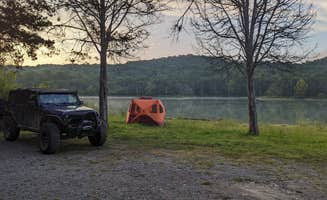
Solitude and privacy: Many primitive camping areas near Bean Station offer isolation from developed campgrounds. Jim M. describes the FS 289 site as "very peaceful with a nice stream running by," highlighting the natural setting.
Budget-friendly options: The ability to camp without fees appeals to many visitors. Most dispersed sites in national forest lands around Bean Station operate on a first-come, first-served basis without reservation systems or camping fees.
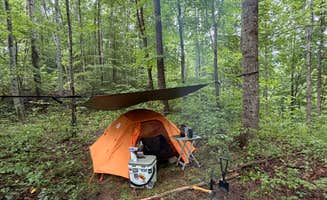
Natural surroundings: Despite occasional maintenance concerns, the undeveloped nature of sites appeals to those seeking authentic outdoor experiences. The forest setting provides natural shade and wildlife viewing opportunities not found at developed campgrounds.
What you should know
Site availability challenges: Finding open dispersed sites requires flexibility and backup plans. At Paint Creek Corridor, one camper reported: "I was only able to locate one and luckily it was vacant. There are several spots along the road that may have been for dispersed camping as some point but are now clearly marked with no camping signs."
Vehicle requirements vary: Access to primitive sites demands different vehicle capabilities depending on location and conditions. For FS 289, contradictory experiences exist: "You need a good off road capable vehicle to access this site," states one review, while another notes, "In dry conditions, I got here just fine in an Outback Wilderness, and 5 minutes later a Prius drove up."
Pack out requirements: All primitive camping near Bean Station requires self-sufficiency. No trash services exist at these locations, and user reports indicate existing litter problems: "Also a lot of trash in the area of the site sadly," noted Andrew S. about Paint Creek Corridor.
Tips for camping with families
Water safety planning: Creeks and streams near campsites require supervision for children. While water access provides recreation, parents should monitor stream conditions, especially after rainfall when currents can strengthen.
Insect protection: Forest camping in Tennessee means preparing for insects. Bring appropriate repellents as advised by campers at Weaver Bend Road: "Definitely bring bug repellent," particularly during warm months when mosquitoes are prevalent.
Site selection timing: Arriving early improves chances of securing suitable family camping locations. With limited designated areas, weekday arrivals increase opportunities to find level, clean sites appropriate for family camping needs.
Tips from RVers
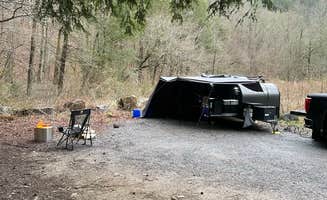
Length restrictions: Most primitive sites near Bean Station accommodate only smaller RVs and trailers. At FS 289, Jim M. advises: "Tent camping near the jeep or a high clearance overland teardrop should make it back here ok but not recommended for regular RV's."
Road condition research: Forest Service roads accessing primitive sites change seasonally. Recent rainfall can significantly impact accessibility, requiring advance planning and possibly contacting ranger districts for current conditions before attempting access with any recreational vehicle.
Self-contained requirements: RVers utilizing Sam's Gap Overlook and similar primitive areas must bring all necessary supplies including water and waste management solutions, as no hookups or services exist at these locations.





 Guide
Guide


