Dispersed camping opportunities near Bitterroot National Forest extend beyond the popular creek corridors. The national forest spans over 1.6 million acres across western Montana and eastern Idaho, with elevations ranging from 4,000 to 10,000 feet. Primitive sites are concentrated along forest service roads that branch from Highway 93, often requiring travel on unmaintained dirt roads with seasonal access limitations.
What to do
Hiking access: FS Road 5634 offers a strategic camping location for hikers. A camper noted, "Found this spot on our way to hike the Baker, Middle, & Gem Lake Trail. The views are amazing, but unfortunately it's right off the road at a switchback." This single dispersed site provides AT&T cell service despite its remote location.
Hot springs exploration: Stanley Hot Springs - Backcountry Dispersed Campsite requires approximately five miles of hiking with 1,500 feet of elevation gain. A visitor explained, "The trip in to the hot springs gains about 1500 feet, but the climb is worth it as you get to soak your tired legs after the hike." Creek crossing conditions vary seasonally, with some periods requiring waist-deep fording.
Wildlife viewing: Red Rock Access includes a pavilion with wildlife viewing equipment. A camper mentioned, "There's a pavilion with a viewfinder to try and scope out some wildlife." The area serves both overnight campers and day-use visitors accessing the boat ramp.
What campers like
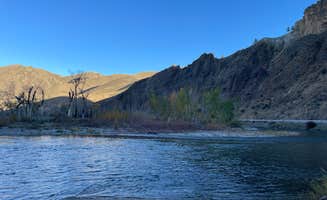
Creek proximity: Many primitive camping spots near Bitterroot National Forest provide direct water access. At 4 or 5 dispersed sites along Chaffin Creek road, a camper reported, "Once you pass the private properties, you enter into the forest and drive fairly close to a creek. There are numerous pull outs along the road with a few of them only a few steps away from the creek."
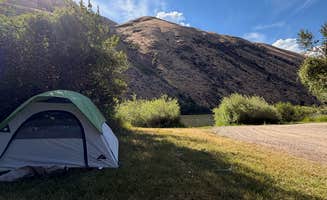
Mountain views: Elevated campsites provide panoramic vistas of the surrounding terrain. At Sabe Vista Point, a reviewer noted, "One of only a few big open flat spaces on the Magruder corridor. Beautiful vistas." This site offers visual advantages over creek-bottom locations.
Solitude options: Despite heavy traffic in popular areas, quieter alternatives exist. A camper at Red Rock Access observed, "We pulled in late after 10:00 PM and we were the only ones there, but woke to a couple other trucks that had pulled in." Sites farther from trailheads typically experience less traffic.
What you should know
Road quality considerations: Forest service roads require reduced speeds and appropriate vehicles. One Lost Horse camper detailed, "We could only go about 8-10 MPH max in our truck on the washboard road." Most dispersed camping areas involve dirt roads with potholes that deteriorate after rain.
Site availability patterns: Competition for prime spots intensifies on weekends and during summer months. A visitor to Bobcat Gulch warned, "We tried to stop here for an overnight, but it was completely full! There were so many trucks, trailers, camper vans, etc… looked like a nice spot, but since there wasn't much room anywhere, we decided to head further down the road."
Wilderness regulations: Backcountry camping requires additional preparation. A Stanley Hot Springs visitor advised, "You are in Bear Territory so be prepared to hang your food in a tree and bring bear spray." Food storage practices become increasingly important at remote primitive sites.
Tips for camping with families
Fire safety: Established fire rings exist at most primitive sites but require proper management. A camper at Lost Horse noted, "Good size sites and fire pits as well." Always verify current fire restrictions before your trip as summer conditions often trigger bans.
Bathroom planning: Most dispersed sites lack sanitation facilities. At Bobcat Gulch, a camper observed, "One large accessible pit toilet is available." When selecting family-friendly locations, prioritize areas with toilet access or bring portable solutions.
Site selection timing: Arriving early improves family camping options. A Red Rock Access visitor suggested, "Nice spacious area with a fire pit and picnic table." Thursday arrivals typically secure better weekend spots than Friday afternoon attempts.
Tips from RVers
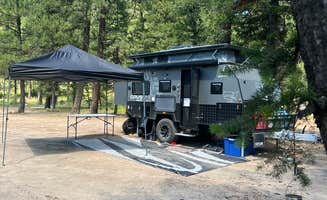
Length limitations: Most primitive sites accommodate smaller recreational vehicles only. The FS Road 5634 site has "only enough room for a standard vehicle or a camper van." Larger RVs should seek established campgrounds with designated parking areas.
Water access planning: No hookups exist at primitive sites, requiring self-sufficiency. At Lost Horse Dispersed Campground, campers have "a nice sized river that cuts through" for non-potable water needs, but drinking water must be brought in or treated.
Highway proximity: Consider noise levels when selecting sites. At Bobcat Gulch, a camper mentioned, "Only downside is it's rather close to the highway and you can hear cars driving by pretty regularly." Interior forest roads typically offer quieter camping experiences for light sleepers.






 Legend


