

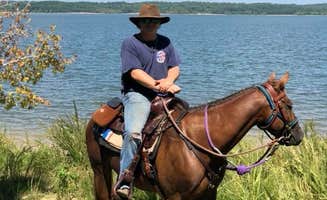
C
Caleb  Guide
Guide
GuidePlum Point Campground
Great
Goodspot surrounded by rednecks
3 campgrounds · Check availability for any dates.
Fords Well Horse Camp in Oakland, Mississippi provides designated camping areas for equestrians and their horses with direct access to riding trails. The campground includes drinking water, electric hookups, fire rings, and picnic tables. Trails are marked and well-maintained according to campers who frequently ride there. The facility accommodates both tent and RV camping, making it suitable for weekend trail riding trips. Pets are allowed throughout the campground area, and the camp offers water hookups for basic horse care needs. While the camp doesn't feature dedicated horse corrals, the layout allows riders to set up portable corrals or use trailer ties.
Located approximately 35 miles north of Grenada, the horse camp serves as a gateway to the extensive trail system in the area. The riding paths connect to scenic routes through Mississippi's woodlands. Plum Point Campground, situated near Pope, offers additional camping options with water access and reservable sites for riders exploring the region. Most trails remain accessible year-round, though seasonal conditions may affect some routes after heavy rainfall. The campgrounds accommodate various camping styles, from basic tent sites to spaces for horse trailers with living quarters. For equestrians planning extended stays, the availability of firewood, trash service, and toilet facilities provides essential amenities while focusing on trail riding adventures. The surrounding landscape offers varied terrain suitable for different riding skill levels.
GuideGoodspot surrounded by rednecks
 Traveler
My friends and I enjoy riding there. Trails are marked and well-maintained.
GuideAll basic amenities including shower
Equestrian camping near Grenada, Mississippi provides horseback riders with access to extensive woodland trails and dedicated facilities. Located in north-central Mississippi approximately 100 miles south of Memphis, the region features gentle rolling terrain with mixed hardwood forests and proximity to Grenada Lake. Horse camps in the area typically maintain accessible trails year-round, though winter months bring cooler temperatures averaging 40-60°F during daytime hours.
Trail riding through wooded terrain: Riders at Bryant Campground can access nearby riding paths that connect with larger trail networks. Trails range from flat, beginner-friendly routes to more challenging paths with moderate elevation changes and stream crossings.
Set up portable corrals: Most equestrian sites allow riders to establish temporary containment systems near camping areas. Since permanent corrals aren't standard at many locations, experienced riders recommend bringing portable electric fencing or panel systems to create secure overnight areas for horses.
Access Grenada Lake recreation: Plum Point Campground provides proximity to water-based activities when not riding. "Goodspot surrounded by rednecks," notes camper Caleb, highlighting the authentic local atmosphere while providing access to fishing and shoreline activities during non-riding hours.
Well-marked trail systems: The network of riding paths throughout the region receives regular maintenance. Nancy P. from Fords Well Horse Camp states, "My friends and I enjoy riding there. Trails are marked and well-maintained," indicating reliable navigation for riders unfamiliar with the area.
Basic amenities that support extended stays: Most equestrian camps provide essential services without unnecessary frills. Regarding Bryant Campground, Caleb notes, "All basic amenities including shower," which allows riders to focus on trail activities while maintaining practical comfort.
Year-round accessibility: Unlike more northern riding destinations, Mississippi horse camps typically remain operational through winter months with minimal seasonal closures. Trail conditions generally remain passable except during periods of heavy rainfall, when certain low-lying sections may require temporary rerouting.
Water access planning: While drinking water for humans exists at most established sites, horse watering requires additional planning. Bring containers to transport water from campground spigots to temporary horse containment areas if natural water sources aren't immediately accessible from your site.
Trailer parking configurations: Most equestrian camping areas provide pull-through or back-in spaces designed to accommodate horse trailers with living quarters. Sites typically allow enough room to set up portable corrals adjacent to parking areas, though space limitations may exist during peak seasons.
Reservation requirements vary: Some equestrian camps operate on first-come, first-served availability while others maintain reservation systems. Call ahead during spring and fall peak riding seasons to ensure space availability for your trailer and horses.
Beginner-appropriate trail sections: Families with less experienced riders can find gentle terrain options by requesting trail maps that mark difficulty levels. Rangers typically can direct families toward flatter, shorter routes suitable for children or novice riders.
Non-riding activities: During multi-day trips, incorporate off-horse activities to prevent rider fatigue. The proximity to Grenada Lake provides fishing, swimming, and wildlife viewing opportunities when taking breaks from trail riding.
Safety equipment requirements: All riders under 16 should wear approved helmets regardless of experience level. Pack appropriate safety gear including first aid supplies for both humans and equines, particularly during remote trail sections.
Hookup variations between facilities: Electric service quality varies between horse camps in the region. Bring surge protectors and be prepared for potential 30-amp limitations at some locations rather than 50-amp service that larger living quarter trailers might require.
Generator restrictions: Check with specific campgrounds about generator usage rules before arrival. Some locations restrict operating hours to prevent noise disruption during early morning or evening hours when other campers may be seeking quiet trail experiences.
Frequently Asked Questions
Which is the most popular equestrian campsite near Grenada, MS?
According to TheDyrt.com, the most popular equestrian campground near Grenada, MS is Bryant Campground with a 3-star rating from 1 review.
What is the best site to find equestrian camping near Grenada, MS?
TheDyrt.com has all 3 equestrian camping locations near Grenada, MS, with real photos and reviews from campers.
Keep Exploring