Campgrounds near Foxborough, Massachusetts range from resort-style facilities to rustic forest settings, with several options within a 30-mile radius. The region falls within USDA hardiness zone 6b, with camping seasons typically running from April through late October. Winter temperatures average 28°F while summer months see averages around 70°F, creating distinct seasonal camping conditions.
What to do
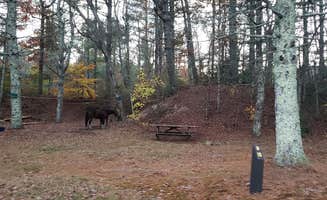
Trail riding opportunities: The Pachaug State Forest provides dedicated equestrian camping facilities at Frog Hollow Horse Camp, with three horseback riding loops directly accessible from the campground. "Campsites are located around a loop with a couple of composting toilets near the entrance. Water is available. There's space your your camping gear as well as a trailer and horseline," notes Jean C.
Kettle pond exploration: The unique spring-fed ponds at Charge Pond Campground offer clear swimming and fishing opportunities. "The pond water was very clear, seeing as they are fed from natural springs under the ponds," reports Kyle C. The facility includes designated beaches with sandy areas for swimming and shoreline fishing access.
Biking excursions: Several parks feature dedicated bike trail systems with varying difficulty levels. "Great camping spot to road ride from. Nice park. Good access to surrounding New England towns," explains Mike M. about Myles Standish State Forest. Trail maps are available at visitor centers, as campground maps may lack sufficient detail for navigating the extensive trail networks.
What campers like
Privacy between sites: Many campers appreciate the natural separation between campsites at Ponkapoag Camp. "The cabins have assorted dressers and shelves for storage, and a table for dining on those bad weather days. The floors are wooden. Many cabins have wood stoves, which is great for the cooler parts of the year," describes Rita M. Sites with vegetation barriers provide more seclusion than open field arrangements.
Resort-style amenities: The extensive recreational options at Normandy Farms Campground consistently receive positive reviews. "We planned a brief stop in the Boston area with the intent of seeing the John F. Kennedy Presidential Library and Museum and Normandy Farms appealed to us for various reasons. One reason was the fact that they have dog walkers that will come to your site and take care of your precious pooch while you are away," explains Nancy W. These premium services come at a higher price point but offer conveniences not found at state parks.
Quiet weekday camping: Several campgrounds experience significant differences in occupancy between weekends and weekdays. "But the Sunday, and Monday nights, the 7 closest spots to us were empty, it was like having the woods to ourselves," reports Kyle C. Weekday campers often enjoy reduced crowds and more peaceful conditions, particularly outside peak summer months.
What you should know
Horse-specific requirements: Equestrian campgrounds near Foxborough require bringing your own feed and planning for manure management. "It's hard to find much information about this equestrian, first come, first serve campground in Connecticut's Pachaug State Forest," notes Jean C., highlighting the importance of researching specific requirements before arrival.
Alcohol restrictions: Some public facilities prohibit alcohol consumption. "When you are sitting by the campfire, sometimes, chilling with a beer or another adult beverage is nice. Not in Massachusetts State Parks. No alcohol allowed," reports Randy R. These regulations are enforced through regular ranger patrols.
Seasonal limitations: Many state parks operate with reduced services outside peak season. "The camp is on a beautiful piece of wooded land surrounding a large pond/lake. There are about 25 rustic cabins, and a few tent sites dispersed throughout the camping area. There is a year round caretaker there to help folks check in," explains Jean C. about Wolf Den Campground. Operating seasons typically run from Memorial Day through early October.
Tips for camping with families
Activity programming: Family-focused campgrounds offer structured recreation programs. "We stayed here for a few nights when they celebrated Halloween 🎃. It is super easy to get around. They had tons of festive activities. They have an indoor and an outdoor pool," shares Liz W. Theme weekends featuring special events occur throughout the summer season.
Site selection strategy: Choose sites away from main roads for safer family camping. "There are many loops here. Some spots run closer to main road than others so you can hear the cars go by," explains Desiree M. Interior loop sites often provide better buffers from traffic noise and increased safety for children.
Swimming options: Natural pond swimming provides alternatives to traditional pool facilities. "The beach (at least at Charged Pond) had a nice sandy section and a bathhouse," notes Kim R. Water quality testing occurs regularly during swimming season, with results posted at beach entrances.
Tips from RVers
Size limitations: Not all campgrounds accommodate larger RVs. "Our site was easy to navigate in and out of and was definitely big-rig-friendly with ample space for our motorhome and tow car. All utilities were well-placed and functioned properly," reports Nancy W. about Normandy Farms. Many state parks have length restrictions under 35 feet for RVs due to narrow roads and site designs.
Hookup availability: Service connections vary significantly between facilities. "We were in the Charged Pond area, in loop F. The campground doesn't have hook ups, but there is a dump station with water and water available around the loops," explains Kim R. Electric-only sites are common at state parks, with full hookups primarily available at private campgrounds.
Leveling challenges: Site conditions often require adjustment equipment. "Some sites are on slight inclines and have a lot of roots so it makes having more than one tent hard," notes Desiree M. Bringing leveling blocks is essential even for sites listed as level, as natural terrain variations occur.




 Legend


