




 Ranger
Sheltowee Trace Adventure Resort
Easy accessed, good sites/cabins, good amenities
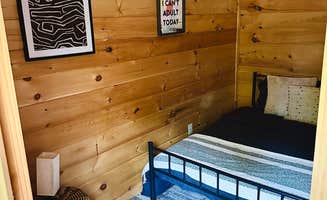
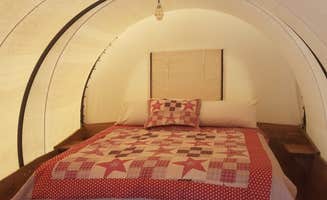
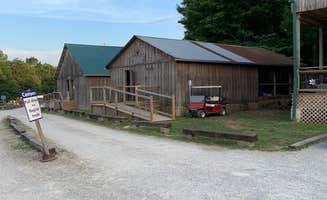
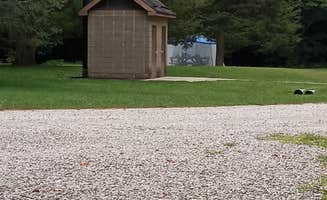
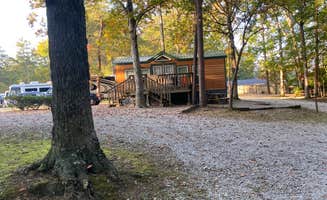
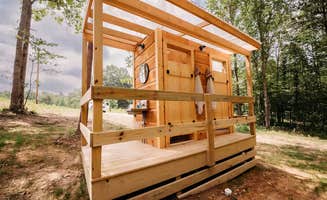
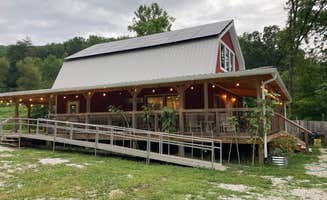
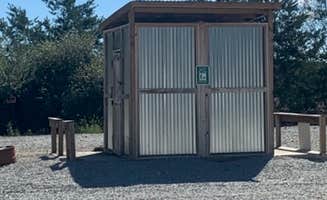
This campground is conveniently located near Corbin, KY. It sits right off the main road on the way to Cumberland Falls. There are plenty of signs and it is well marked, easy to find. When you pull in the gravel road, the main building and check in area is easily recognized and there are plenty of places to park. Check in was easy and fast. The store has a pretty big selection of camping items, clothes, food, accessories, shoes and snacks. There are also souvenirs. Just outside is the White Dog snack bar. A pretty nice menu with burgers, hot dogs, ice cream and fries. There is also an 8 unit restroom between the snack bar and main building. The restrooms are air conditioned and were always very clean and well stocked. Directly behind the snack bar is the circle of covered wagons with a fire pit in the middle of them. These were really cool looking and seemed like a fun way to camp. We stayed in the cozy cabins which are directly behind the wagons. Cozy cabin 2 had air conditioning, a full size bed and and bunk bed. There was a counter, microwave and mini fridge. 3 stools, a broom, clock, lamp, garbage can, ceiling fan and an electric fire place. Really quaint but a perfect way to camp without being too expensive. Electricity but no running water. There is also a small porch with 2 chairs and side table. A ceiling fan on the front porch is nice. There is a fire pit and a separate raised grill for cooking. The cabin was very clean and bug free. It’s walking distance to the restrooms but the wagons are closer. We walked around the RV and other camping sites as well. The RV sites we saw, were pull through sites and seemed very roomy and easy to get in and out of. The entire campground runs slightly downhill but overall offers flat sites. There are nice, shaded tent sites and an open, sunny area for group camping. The zip line runs from the entrance of the campground and runs over the group camp area, ending just beyond it. There are 2 zip lines available for different age groups. They offer many different activities through their company, such as electric bikes, white water rafting, zip lines, and tubing. We did the rafting and tubing. The rafting was fun and a great way to introduce beginners to the sport. The rapids were not too wild and none of us fell out of the raft. There were several areas to jump out and swim and that was fun. At the end of the rafting, a boat picks you up and you eat lunch and take a boat ride back to the bus. To get to the tubing, you have to drive yourself and it’s an hour drive to get there. The tubing trip lasted about 2 hours and was not very fun. The water was very still and basically we just barely floated down the river in the hot sun. There were 2 areas with small rapids but they didn’t make up for the rest of the still water being boring. We also got separated from our group. By the time we made it to the take out spot, everyone else had gotten out of the river and the shuttle left us behind. We waited for about 10 minutes and decided to start walking back to where we got in the water. After a while, the shuttle came back and saw us. He stopped and picked us up but ultimately felt this was dangerous as we were in the middle Daniel Boone Forest, alone, walking on the road. I would NOT recommend the tubing. It was not worth the money or the drive. If I was reviewing just the tubing experience, I would give 1 star. Everyone at Sheltowee were nice and professional. Our guide, Free (yep, that’s his name), was nice and funny and knowledgeable about the river. If we go again, we would request him again. We would definitely camp here again and recommend it to friends. The only reason I can’t give 5 stars is because of the tubing experience and the fact that it was not clear, when the reservation was made, that the tubing was 1 hour away.


