Tent campgrounds around Urban Honolulu sit between 0-900 feet elevation with higher humidity levels than mainland U.S. camping destinations. Most sites experience average nighttime temperatures between 70-75°F year-round with consistent trade winds from the northeast. Campsites across Oahu range from sea level beach locations to mountain forest settings with varying rainfall patterns depending on their position relative to the Ko'olau mountain range.
What to do
Kayaking at Kahana Bay: Kahana Campground in Ahupuaʻa ʻO Kahana State Park offers excellent kayaking opportunities on both the bay and river. "There are camp sites on both sides of the highway and a boat dock. The Bay has a beautiful sandy beach which is great for beginner surfers and kayaking. You can also kayak in the river which runs through the park," notes a reviewer.
Rock climbing near camp: The Camp Mokuleia area provides direct access to Hawaii's largest concentration of climbing routes. "This campground is very close to the highest concentration of rock climbs in all of Hawaii! The Mokule'ia wall has over 60 climbs ranging from beginner to expert and includes trad, sport, and toprope routes," shares a climbing enthusiast.
Cultural experiences: Many campgrounds offer educational programs about Hawaiian traditions. "They have some pretty cool cultural events where you can learn how to roast a pig, fire dance, etc.," mentions a camper who visited Kahana Campground — Ahupuaʻa ʻO Kahana State Park. "Make sure to take in the cultural aspects of this park too."
Hiking to viewpoints: Several campgrounds connect to trail systems with panoramic vistas. "One of the other things we loved about this site is the proximity to Ka'ena Point! It feels like you're standing out in the ocean without anything around it's such a small point!" explains a hiker who stayed at Camp Mokuleia.
What campers like
Beach access directly from tent: Mālaekahana camping sites allow for immediate ocean access. "I would recommend the beach camping spots... Beach beach in all of Oahu!" reports a camper at Mālaekahana State Recreation Area. The proximity to water makes this location popular for overnight stays.
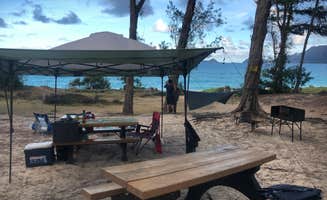
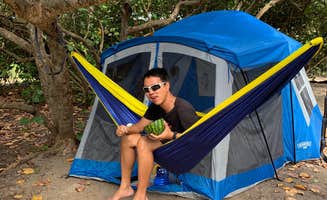
Tree cover for hammocks: Many beachside locations offer suitable trees for hammock setups. "Each campsite has a picnic table and a firepit. Almost all the Area 1 sites have lots of trees to set up hammocks and for the much appreciated shade from the sun," notes a visitor to Mālaekahana.
Night sky viewing: Higher elevation sites provide excellent stargazing opportunities away from city lights. "On a clear night however the sky is amazing!" reports a camper at Peacock Flats - Mokuleia Forest Reserve, one of the more remote camping options on Oahu.
Less crowded beaches: Several campgrounds provide access to less-visited shorelines. "The beach area was really nice and not crowded at all," mentions a camper about Camp Mokuleia. Another notes about Sand Island, "Not a lot of people go to this beach because it's not so popular."
What you should know
Weather preparation essential: Tent campers should prepare for variable conditions, especially at higher elevation sites. "If it's rainy season and you don't have experience driving in steep muddy areas with large dropoffs and cliffs on the side, then maybe wait till summer when it's drier!" cautions a visitor to Peacock Flats.
Reservation timing: Most campgrounds require advance planning, with weekend spots filling quickly. "I recommend reserving 1-2 weeks in advance to guarantee your spot. I bought a 3-day permit to stay 1 night as that was the only option. Camping is only allowed on weekends, Friday through Monday," advises a visitor to Ho'omaluhia Botanical Garden.
Facility limitations: Water availability varies significantly between campgrounds. "At the campground, no water is available. Check-out from campsites is by 11:00am. Check-in to campsite is any time after 12:00pm noon," explains a Peacock Flats camper. For beachside camping, reviews frequently mention unheated showers.
Vehicle requirements: Some campgrounds have specific access restrictions. "Secluded spot in the Oahu Mountains. Getting there can be a challenge... 4WD access only. Everyone in the vehicle must be listed on the permit. Only street legal vehicles are allowed; registration, safety check and insurance must be current," notes a Peacock Flats visitor.
Tips for camping with families
Choose beach sites for easy water access: Family campers recommend shoreline locations for convenience with children. "Camping next to the ocean what more do you need to know," comments a parent who camped at Mālaekahana, highlighting the simplicity of beach access for families.
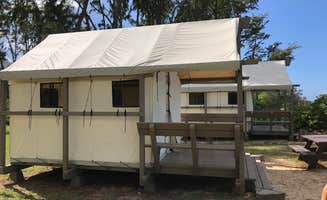
Consider cabin options: Several locations offer structure alternatives to tent camping. "There are cabins to rent out or places to pitch a tent. The water is pretty mellow (at least during the summer) and is great for stand up paddling," notes a visitor to Camp Mokuleia, making it suitable for families seeking more shelter.
Look for educational programs: Some campgrounds offer organized activities for children. Keaīwa Heiau State Recreation Area receives consistent five-star ratings, with one camper noting, "Every place I visited while I was on the island was absolutely breathtaking," referencing the educational opportunities at this cultural site.
Pack for varying temperatures: Even in Hawaii, nighttime temperatures can drop at elevation. "We hammock camped the first time we came out to stay off the ground," advises a family who visited Peacock Flats, suggesting camping gear appropriate for potentially wet conditions.
Tips from RVers
Limited hookup locations: RV campers have fewer full-service options near Urban Honolulu. "Drive up tent sites, vehicle campsites for vans, hales or houses that sleep 4 with no electricity for $58 and larger suite hales or cabins that have electricity and their own bathroom inside for around $120," explains a visitor to Mālaekahana, noting the range of accommodations beyond traditional tent camping.
Security considerations: Some campgrounds offer gated access for vehicles. "The property has a gate with a code that you can go in and out as you please, and the staff were really helpful and kind," mentions a visitor to Camp Mokuleia, highlighting the secure parking situation.
Supply stops: RVers should plan supply runs strategically. "For supplies, it's about 15 minutes back to Haliewa where there are tons of restaurants, food cards, groceries and a Longs Drug," advises a Camp Mokuleia visitor, providing practical information about resupply options.







 Traveler


