Cabin accommodations in the Grand Canyon area range from rustic forest service cabins to fully outfitted glamping units situated at elevations between 6,000-8,000 feet. The South Rim area maintains temperatures approximately 20 degrees cooler than the canyon floor, making cabin camping practical even during summer months. Winter cabin stays require preparation as temperatures regularly drop below freezing from November through March.
What to do
Hike to cooling waters: During summer months, cabin guests at Bright Angel Campground can access the creek for relief from high temperatures. "It takes some work to get here (aka hike to the bottom of the Grand Canyon) but it is worth it! Nice campground, sites are a little small but they have a picnic table, food box and a place to hang your pack/boots," notes one visitor at Bright Angel Campground.
Wildlife viewing opportunities: Many cabin areas provide excellent wildlife observation. A camper at Trailer Village RV Park shared, "Nice and spacious campsites. Elk visit my site due to water being here." Morning and evening hours typically offer the best wildlife sightings.
Experience night skies: The Grand Canyon region offers exceptional stargazing opportunities from cabin accommodations. "Evening brings stars so bright that your host says 'you'll want to reach out to grab them,'" notes a reviewer about Camp South Rim, located 30 minutes from the canyon.
What campers like
Access to amenities: Cabin campers appreciate having basic comforts while maintaining a rustic experience. At Phantom Ranch, one visitor highlighted practical benefits: "It's right next to the river so it's easy to take a dip and cool off. Running water in front of the store and the store serves beer and food. Can't beat that when hiking for days."
Multi-day explorations: Cabin accommodations provide a basecamp for extended canyon exploration. "We stayed at Phantom Ranch when we hiked into the Grand Canyon and it was the highlight of our trip! It's tucked away in the bottom of the canyon and you can dip your toes in the river after a long day of hiking," shared another camper.
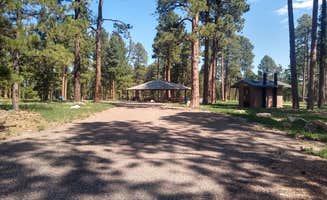
Group facilities: Larger parties benefit from dedicated group cabin areas. A visitor to Jacob Lake Group Campground noted, "This site has a day use picnic in front and then two group areas with a closed gate behind. Group A and Group B. Very nice facility with large shade feature over the tables, nice fire pit bench areas and clean vault toilets and pressurized water."
What you should know
Reservation requirements: Most Grand Canyon cabin facilities require advanced planning. A visitor to Clear Creek Area shared useful information: "Campground was a decent size. Did not feel over crowded for it being filled. Lots of grass areas and hiking trails for families and pets to roam."
Seasonal closures: Not all cabin facilities operate year-round. Winter closures affect many properties, particularly on the North Rim which typically closes mid-October through mid-May due to snow conditions.
Temperature variations: Prepare for significant temperature swings between day and night, especially during spring and fall. One camper at Trailer Village noted: "We camped during Thanksgiving. It got below freezing so packed for colder weather."
Limited shower facilities: Some cabin locations have restricted shower access. A Trailer Village visitor mentioned: "The only downside is if you need showers or laundry services. Both close at 4pm each day so plan accordingly."
Tips for camping with families
Nearby water features: Families appreciate access to water for recreation. A visitor to Clear Creek noted: "The creek near by was a huge plus and a cute and fun little bridge to play on with kids."
Spacious sites: Cabins with ample outdoor space work best for families. "Sites are easy access to shuttle bus, and a short walk to visitor center. Bath houses are clean sites are a bit close but shaded and nice," reported a camper at Trailer Village.
Educational opportunities: Take advantage of ranger-led programs available at many cabin locations. "The daily Ranger talks are interesting and informational. Plan early and reserve a campsite at Big Springs Cabin Site," suggested one experienced camper.
Tips from RVers
Road conditions: Access to some cabin areas requires navigating unpaved roads. A visitor to Big Springs noted: "If coming from Fredonia (basically from Zion) you have about 6 miles of gravel road, but have 23 miles of gravel road between it and the North Rim. It's not the smoothest gravel road I have been on, but I made it there going slowly in a sedan."
Parking logistics: Some cabin areas have limited parking space. "It's a pull through but not long enough to stay connected had to disconnect and park beside the camper," reported a visitor at Trailer Village.
Shuttle services: Utilize park transportation when staying at cabin facilities within the national park. "Located in the center of everything. 5 minute bike to the market which has just about everything for campers. Closest viewpoint is about 30 minutes away by bike," noted one Trailer Village guest.






 Guide


