Rustic camping options at Pictured Rocks National Park range from small, inland lake campgrounds to larger facilities on Lake Superior. Sites at state forest campgrounds typically cost $15-25 per night, while National Park Service campgrounds charge $20-25. Most campgrounds near Pictured Rocks operate from May through October, with limited winter accessibility. Many sites offer walk-in tent camping with vault toilets and water pumps as primary amenities.
What to do
Hike to Lake Superior: From Kingston Lake State Forest, take the 4-mile one-way trail to reach Lake Superior. "It's a short drive back up to Lake Superior, and about the same to Munising where you'll find groceries, gas, and supplies," notes a camper who stayed during autumn.
Visit Au Sable Lighthouse: Hurricane River Campground offers easy access to this historical landmark. "A short walk to Au Sable Lighthouse (1.5 miles). We took our chairs and a light snack to the beach to enjoy the sunset," one reviewer shares.
Search for beach treasures: The shoreline near campgrounds contains interesting rocks and beach glass. "The beach with plenty of neat rocks and glass is a good way to spend a day," reports a visitor to Bay Furnace Campground, who also noted the historical furnace ruins are "only a short walk from the campsites."
Kayak inland lakes: North Gemini Lake State Forest Campground provides peaceful paddling opportunities. A visitor states, "Perfect for camping near Lake Superior while avoiding crowded sites and still camping near water," making it a quieter alternative to lakefront campgrounds.
What campers like
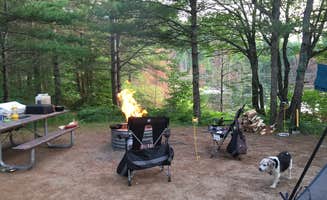
Privacy between sites: JoeIda Campground stands out for site separation. "The sites are large and well separated from each other. The pit toilets are super nice and clean! There is quite a bit of available wood on the ground for campfires," one camper noted, emphasizing the natural spacing.
Exceptional clean facilities: Vault toilets at rustic campgrounds receive consistent praise. A JoeIda camper states, "Cleanest vault toilets ever. Lots of room between sites. Water pump. Completely satisfied." This sentiment appears at multiple campgrounds.
Wildlife viewing opportunities: Listening for loons creates memorable experiences. "My favorite thing about this campground was listening to the haunting loon songs over the lake at night," writes a Ross Lake visitor, while a North Gemini Lake camper adds, "the loons at night is a special treat."
Location near attractions: Woodland Park Campground combines outdoor experiences with town access. "The campground was totally full. There is water and electric only. But, there is a pump truck you can contract with to pump your tanks as needed. We have only planned to stay for 2 days, but because the setting was so nice, we stayed for 7 nights!"
What you should know
Arrival timing matters: Campgrounds fill quickly, especially waterfront sites and during weekends. "Spots are first come which can be an issue peak season," notes a Hurricane River camper. Another advises, "Arrive earlier in the week to grab you spot," at Woodland Park.
Site differences affect experience: Views and privacy vary significantly within each campground. At Twelvemile Beach Campground, a visitor explains, "We were here in late May, almost zero bugs(it was too cold). Big spacious sites, we tented in site 4 although in the generator loop area we couldn't hear them over the waves of superior."
Water quality varies: Hand pump water at some campgrounds has high mineral content. At Kingston Lake, a camper reports, "The water from the pump at entrance to the campground was quite cloudy and brown. Though locals insisted it was fine to drink we opted to purchase water."
Accessibility limitations: Some campgrounds have challenging access roads. A JoeIda visitor cautions, "The road into the campground is one lane tight," while others mention rough or unpaved access roads at multiple locations.
Tips for camping with families
Shallow water access: Several inland lakes provide safer swimming than Lake Superior. At South Gemini Lake State Forest Campground, "All sites are wooded and spaced a very decent amount of space apart, providing ample privacy. Each site has a tent platform and fire ring with grill grate."
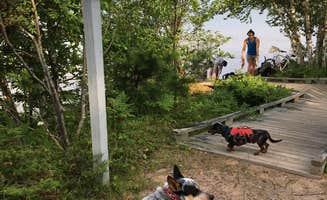
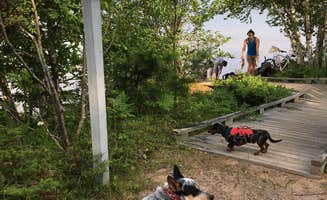
Pet-friendly planning: Many campgrounds welcome pets but require leashes. "Bring waste bags as dedicated pet waste stations are limited in these rustic settings," advises a park ranger. Always check site-specific regulations.
Multi-site availability: Groups with multiple tents should target less popular campgrounds. "Most sites I think could accommodate multiple tents and vehicles. Drainage and elevation for our site was great - no standing water or mosquitoes," reports a Kingston Lake camper.
Playground access: Woodland Park offers more amenities for children than rustic sites. "There 2 playgrounds for the kids, small town is within walking distance.. and the breath taking sunsets!! Always a great time!" notes a repeat visitor.
Tips from RVers
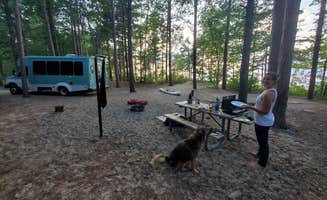
Site dimensions: Most rustic campgrounds limit RV size. At Hurricane River, a reviewer notes, "Some Sites will fit trailers but some are tent only. There are a couple sites for handicap visitors," suggesting careful research before arrival.
Water access challenges: Steep terrain can complicate launching boats at some campgrounds. A Ross Lake visitor shares, "While it's an easy walk down to Ross Lake, it's relatively steep for bringing kayaks or canoes down and up again. Best to use the nearby boat launch."
Generator policies: Rules vary by campground. "Allowed, but there is a generator free zone," reports a visitor to Twelvemile Beach Campground, making it important to check regulations beforehand.
Limited hookups: Even developed campgrounds have restrictions. A Munising Tourist Park camper advises, "If you're not lucky enough to get one on the waterfront, then there's just crowded, open sites that will possibly be sharing water and electricity with others. (Recommended to bring extra hose and cords)"


 Guide
Guide


