
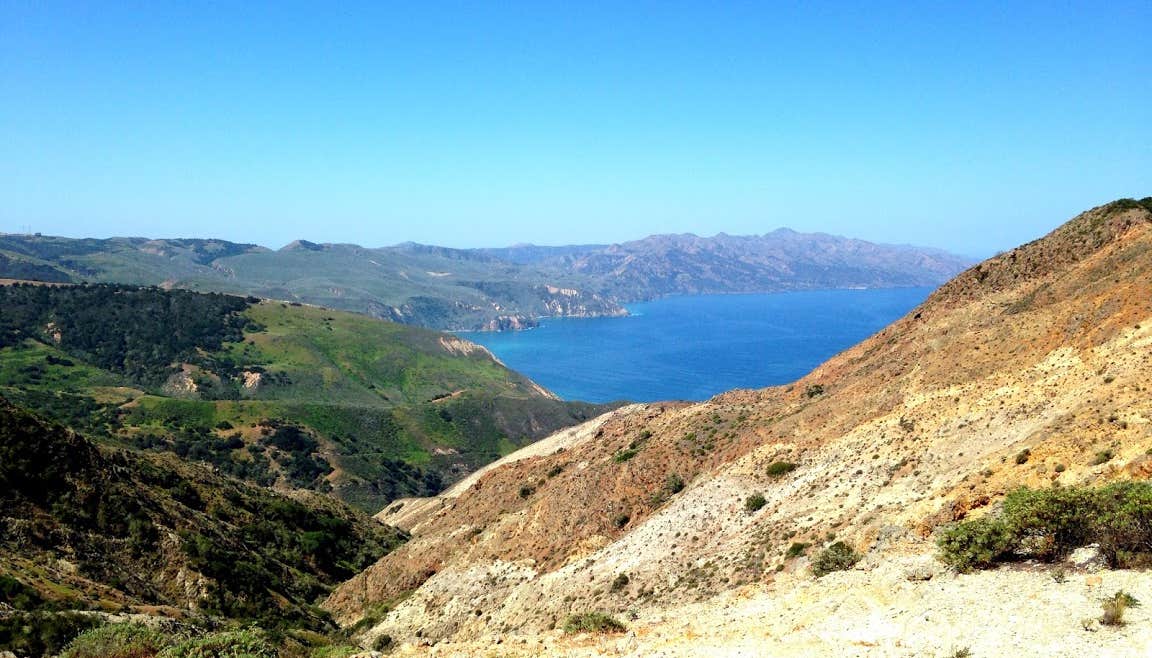
 Photo by Kate W.
Channel Islands National Park Camping Guide
Channel Islands National Park offers one of America's most remote camping experiences, spread across five rugged islands off the California coast. There are 6 established campgrounds (including one backcountry site) in the park, with a total of roughly 70 campsites among them. Getting there is half the adventure - no bridges or roads connect these islands to the mainland, so campers arrive by boat or small plane and must carry in all gear. In exchange, you'll find empty beaches, night skies awash with stars, and unique wildlife found nowhere else. This guide covers every Channel Islands campground (plus a few mainland alternatives) and provides detailed planning advice for 2025-2026, ensuring your island camping trip is safe, memorable, and well-prepared.
Channel Islands National Park Camping at a Glance
All Channel Islands National Park campgrounds require advance reservations year-round, as access is limited by the park's boat schedule. Recreation.gov handles campground bookings on a rolling 6-month basis (new dates open daily at 7:00 AM PT), and sites often fill quickly for popular summer weekends. There are no first-come, first-served sites on the islands. Island Packers Cruises, the park's boat concessionaire, releases its ferry schedules seasonally; 2025 trips run March through early December for the outer islands (Santa Rosa, San Miguel, Santa Barbara), with Santa Cruz and Anacapa served year-round weather permitting. For 2026, Island Packers plans expanded daily service March-October to meet rising demand, though winter service to the outer islands will remain paused due to rough seas. Santa Barbara Island's dock remains closed indefinitely from storm damage, so standard ferry service there is suspended - only private or research vessels can land via a rocky ledge.
Standard campsite fees are $15 per night for individual sites (up to 4-6 people) and $40 per night for group sites (up to 15). No park entry fee is charged for Channel Islands National Park. Getting to the islands is the biggest expense: round-trip ferry fares range $60-$80 per adult (more for the farther islands like San Miguel). If you're driving to the harbor, overnight parking costs about $10 per night at Ventura Harbor. There are no stores, no gear rentals, and no food services on any of the islands - you must bring everything you need (and pack it all out). Drinking water is available at only two campgrounds (Scorpion on Santa Cruz, and Water Canyon on Santa Rosa). Plan for a completely self-sufficient trip, and always double-check boat schedules and weather forecasts as high winds or swells can delay travel, especially in winter.
Channel Islands National Park Campground Quick Facts
| Quick Facts | Details |
|---|---|
| Number of Campgrounds | 6 official campgrounds (5 frontcountry on each island, plus 1 backcountry on Santa Cruz Island) |
| Total Campsites | Approximately 70 individual sites in total. Santa Cruz Scorpion: 25 sites (+6 group sites) Santa Cruz Del Norte Backcountry: 4 sites Santa Rosa Island: 15 sites San Miguel Island: 9 sites Santa Barbara Island: 10 sites Anacapa Island: 7 sites |
| Campsite Cost | $15 per night for individual sites (all islands) $40 per night for group sites (Scorpion campground only) |
| Reservation System | Recreation.gov - rolling 6 months in advance. All campsites require advance reservation; no walk-ups. |
| Island Access | By Island Packers ferry (year-round to Santa Cruz & Anacapa; March-Nov to others) or by private boat/plane. No vehicle access; gear must be carried from boat landing to campground. |
| Camping Season | Campgrounds open year-round, but ferry service is seasonal for outer islands. Peak season: April through October (best weather & regular boats). Limited trips or none to outer islands in winter due to rough seas. |
| Typical Weather | Mild, coastal Mediterranean climate. Daytime highs 60-70°F (16-21°C) year-round. Night lows 45-55°F (7-13°C), with strong winds common (especially afternoons). Water temperature 50-65°F - a wetsuit is recommended for swimming/snorkeling. |
| 2025-2026 Updates | Santa Barbara Island dock remains closed - no standard ferry service (landings by skiff only). Island Packers introducing additional crossings March-Oct 2026 for Santa Rosa and San Miguel. All campgrounds now reservation-only year-round (no first-come sites). |
Channel Islands Campgrounds: Complete Guide
Each of the five islands in the national park has a single established campground (Santa Cruz Island has two, including one backcountry site). These campgrounds are primitive but well-maintained, offering picnic tables, food storage boxes, and pit toilets (composting or vault style) at all locations. No campfires or charcoal grills are permitted on any island. Potable water is only available at Scorpion Campground on Santa Cruz Island and Water Canyon Campground on Santa Rosa - on all other islands you must bring all your water (plan 1-2 gallons per person per day). Below is a complete overview of each in-park campground, followed by a comparison and tips for choosing the best one for your adventure.
Santa Cruz Island Campgrounds
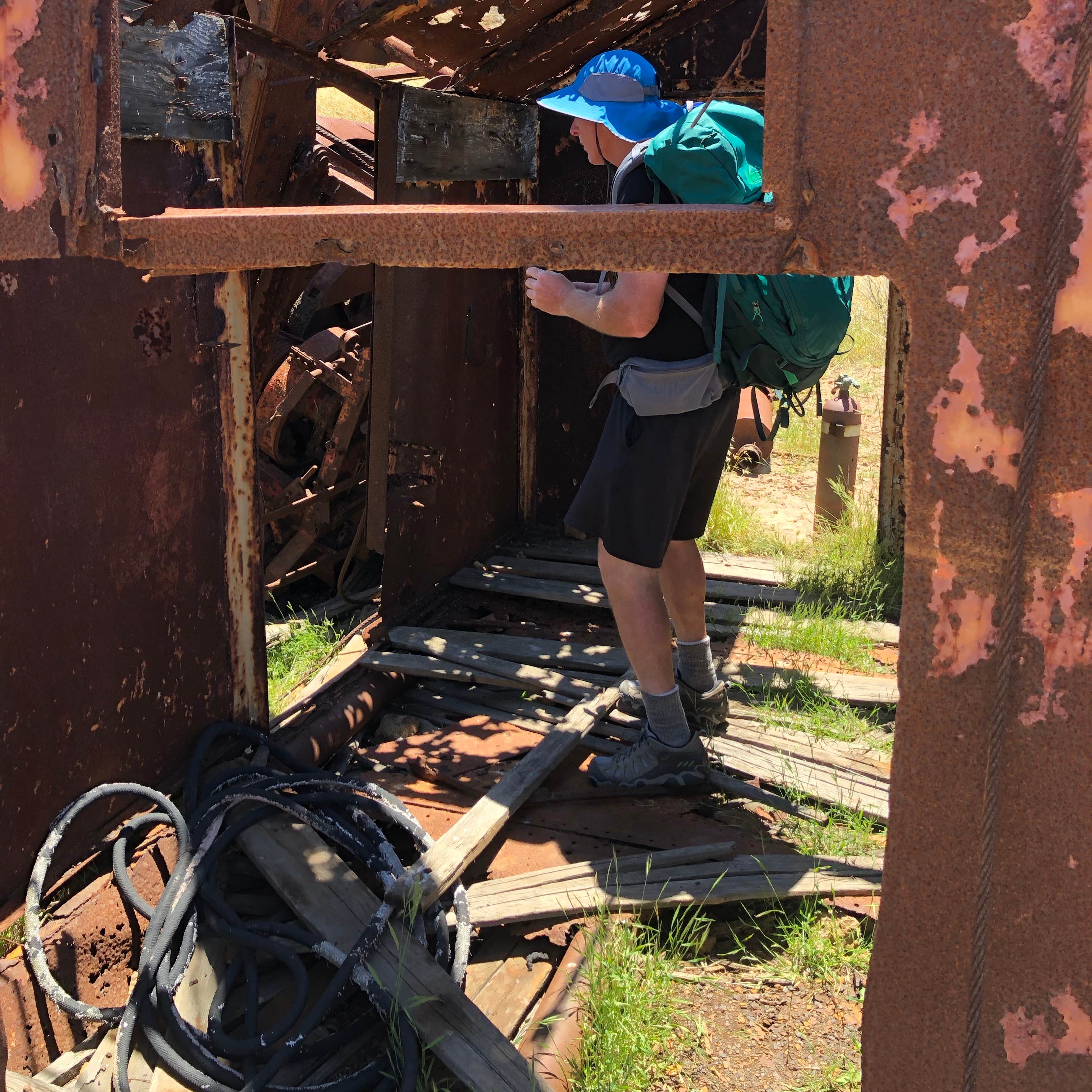
Santa Cruz Island Scorpion Canyon Campground — Channel Islands National Park
Scorpion Canyon Campground (Santa Cruz Island) - The park's most popular and accessible campground, Scorpion Canyon features 25 individual sites and 6 group sites nestled in a coastal valley on eastern Santa Cruz Island. A half-mile walk from the Scorpion Anchorage boat pier leads to this flat, sheltered campground amid eucalyptus and scrub oak trees. As the largest island's primary campsite, Scorpion is family-friendly and great for first-timers - it's one of the only sites with potable water available (via spigots, though summer supply can be limited). Amenities include picnic tables, animal-proof storage lockers, and pit toilets that are cleaned regularly. No trash cans are provided (pack out all garbage). Campsites are mostly tent-only, dirt or gravel pads under partial tree shade. The area is protected from harsh ocean winds by surrounding hills, creating a moderate microclimate. You'll be within a short walk of the visitor center, trailheads to Cavern Point and Potato Harbor, and the snorkeling cove. Best for: families, new campers, sea kayakers (guided kayak tours depart from Scorpion Anchorage), and anyone looking for the most amenities and activities in the park. Note: Yellow jacket wasps are active near the water spigots in late summer - those with allergies should bring medication and consider bringing extra water to avoid using the communal spigot at peak times.
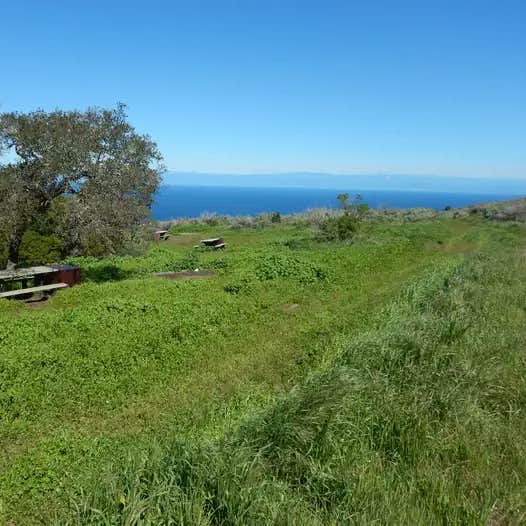
Santa Cruz Island - Del Norte Backcountry — Channel Islands National Park
Del Norte Campground (Santa Cruz Island) - Tucked in a shaded oak grove high above the coast, Del Norte is the only backcountry campground in the park, offering 4 primitive sites ~3.5 miles from Prisoners Harbor on Santa Cruz's north shore. Reaching Del Norte requires a strenuous uphill hike of 3-4 miles (about 1,500 feet elevation gain) along the Navy Road/Del Norte Trail. The reward is sweeping ocean views and profound solitude - Del Norte sees far fewer visitors than the frontcountry camps. Each site is a bare dirt clearing marked by a picnic table; a pit toilet is shared (bring your own toilet paper). No water is available, so backpackers must haul all water or use seasonal springs/creek (treat before drinking). There are no fires or grills, and minimal shade aside from a few trees around the sites. Campers should practice strict Leave No Trace, as the area is pristine. Nighttime brings incredible stargazing due to zero light pollution. Best for: experienced backpackers seeking solitude and a wilderness experience; those who want to camp free of crowds (only 4 small parties max). Note: A backcountry permit (same as campsite reservation) is required. Hikers must sign in at Prisoners Harbor and be prepared for ticks, overgrown trails, and the possibility of no one else around. Plan for self-rescue in emergencies, as ranger presence is infrequent in this remote area.
Santa Rosa Island Campground
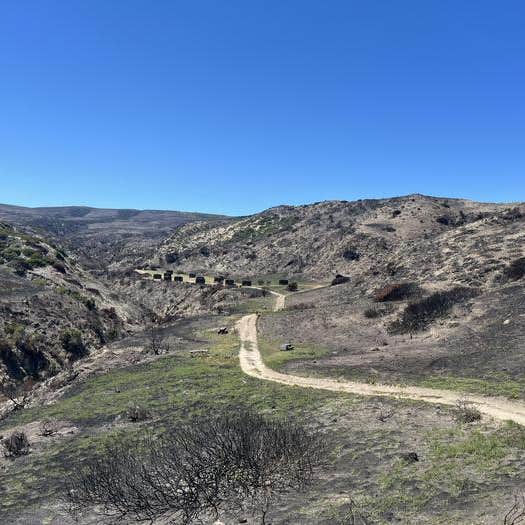
Santa Rosa Island Campground — Channel Islands National Park
Water Canyon Campground (Santa Rosa Island) - This campground offers 15 sites situated in a small canyon about 0.25 miles from a white-sand beach on Santa Rosa's Bechers Bay. A 1.5-mile flat trail (or rough dirt road) connects the pier landing to the campground, and carts are not provided - you must carry your gear or arrange with the park for potential luggage transfers if available. Sites are spread out along a dry creekbed and feature tall wooden windbreaks (8-foot-tall plywood enclosures) to shield tents from Santa Rosa's notorious winds. Each site has a picnic table and steel food storage box. Flush toilets and drinkable water are available in the campground, a notable convenience on an island this remote. There are no showers. The scenery includes grassy hills and distant ocean views; expect frequent fog, strong wind gusts, and cooler temperatures than the mainland. Santa Rosa's highlights - Torrey Pines, rare plants, expansive beaches, and historic ranch buildings - are reachable by long hikes or beach walks from the campground. Due to limited ferry service (typically 3-4 days a week in summer), a minimum 2-night stay is often required by the boat schedule. Best for: hardy campers seeking uncrowded beaches and unique island ecosystems (like the endemic Santa Rosa fox and ancient Torrey pine forest). Note: Santa Rosa's weather can be extreme. Come prepared for high winds (secure your tent with extra guy lines) and no shade - use the windbreaks and bring sun protection. Also pack extra food in case of weather-related ferry delays.
San Miguel Island Campground
San Miguel Island Campground — Channel Islands National Park
San Miguel Island Campground - Perched on a plateau above Cuyler Harbor's dunes, this 9-site campground is the most remote and rugged frontcountry site in the park. Getting here involves a 3-4-hour ferry (or charter flight) and a wet landing by skiff onto the beach. From the beach, campers hike 1 steep mile uphill (~500 feet gain) to reach the campground. Sites are designated by numbers around the bluff's edge, each with a windbreak, picnic table, and animal-proof box. A pit toilet is available. No water is provided - bring all water (at least 2-3 gallons per person for a weekend, more if hiking). San Miguel is known for howling winds (30+ knot gusts are common year-round), dense fog, and its raw beauty. A permit and liability waiver (due to potential unexploded ordnance from past military use) are required for all visitors; if you arrive by Island Packers, they arrange this. Ranger-guided hikes are mandatory to access most of San Miguel beyond the campground and beach - destinations like the famed Point Bennett (a 16-mile round-trip trek to see tens of thousands of seals and sea lions) are only done with a guide when weather allows. The payoff is an almost untouched wilderness: you'll see and hear wildlife (the cacophony of elephant seals, sea lions, and countless seabirds) and experience truly isolated camping. Best for: adventurers and nature enthusiasts willing to brave wind and exposure for a one-of-a-kind wilderness island experience. Note: Due to infrequent boats (often only a few trips per month in summer), campers should be flexible in their schedule - weather cancellations are not uncommon. Pack as if for a backpacking trip, including extra food and a sturdy tent that can withstand strong wind. Earplugs can be handy for the overnight seal serenade!
Anacapa Island Campground
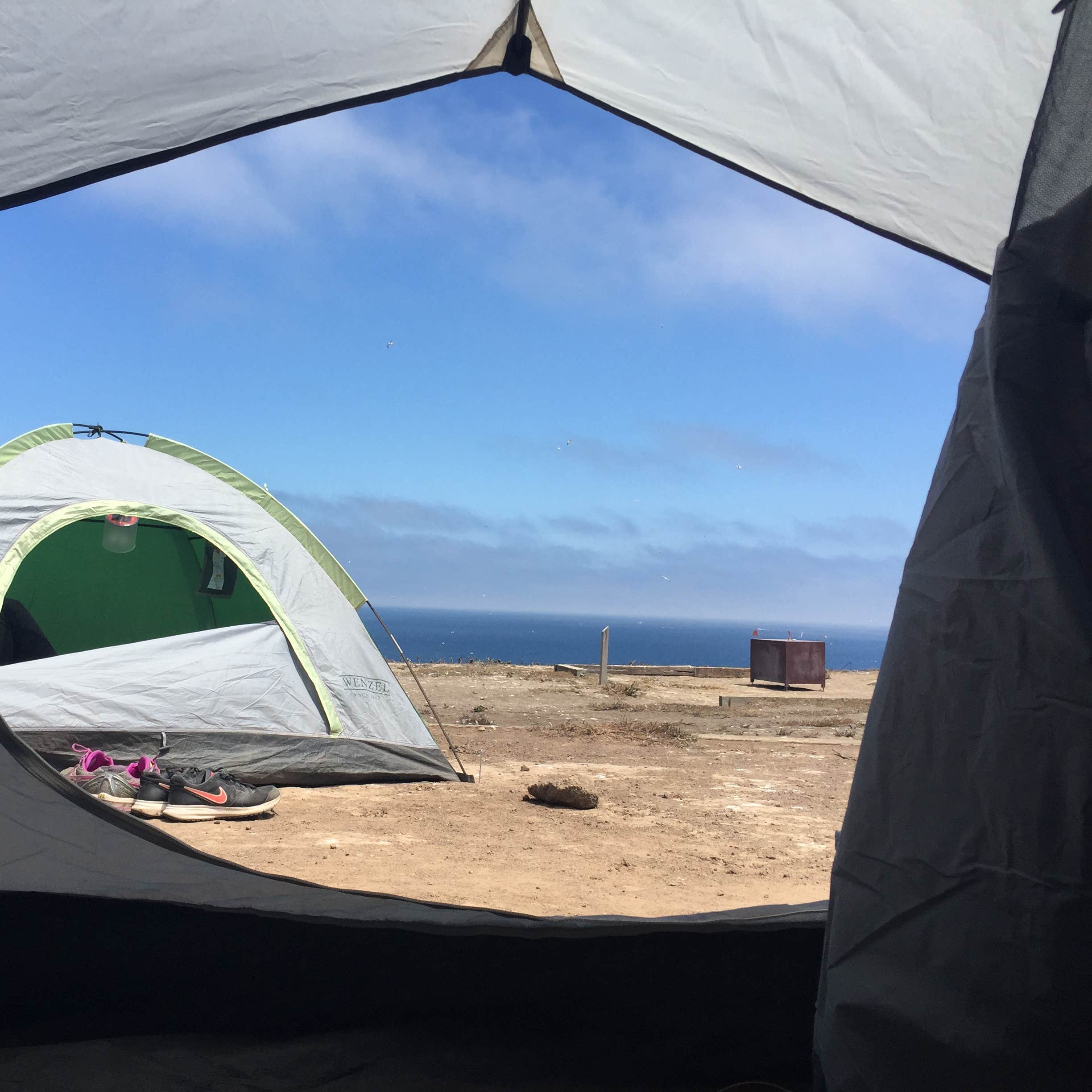
Anacapa Island Campground — Channel Islands National Park
Anacapa Island Campground - Located on East Anacapa Island, this tiny campground has only 7 sites perched atop dramatic sea cliffs. After arriving by boat at Landing Cove, campers must climb 154 stairs up the cliffside to reach the island plateau, then hike about 0.5 mile to camp. Sites are arranged in a loop on exposed bluffs with spectacular ocean views (and incredible sunsets). Each site has a picnic table and locker; a single vault toilet serves the loop. There is no fresh water or shade on Anacapa - you must pack in all water, and the landscape is low vegetation (grasses and shrubs). The island's resident wildlife (Western gulls, pelicans, and California sea lions below) provide a constant soundtrack, especially during nesting season (April-August) when hundreds of seabirds occupy the area - expect noise and some odor from the colonies. The old Anacapa Lighthouse and a historic lightkeeper's house (now a visitor center) are near the campground. Inspiration Point, a famous overlook with a view of Anacapa's chain of islets, is a short 1-mile hike away. Best for: photographers and sightseers who want sweeping ocean vistas, birdwatchers (huge seabird colonies), and campers looking for a quick island getaway (Anacapa is the closest island, about 1 hour boat ride). Note: The fog horn from the lighthouse sounds every 15 seconds, day and night - bring earplugs if you're a light sleeper. Also secure all food to avoid deer mice intrusion (the island has an endemic deer mouse; keep lockers latched). Despite the challenges, campers rave about the feeling of 'camping in the sky' and the stars on clear nights.
Santa Barbara Island Campground
Santa Barbara Island Campground — Channel Islands National Park
Santa Barbara Island Campground - Santa Barbara Island is the smallest and most remote of the park's islands, and its 10-site campground offers an off-the-beaten-path adventure. Reaching this island is challenging: the standard dock has been unusable since 2015, so even when Island Packers runs trips (infrequently, typically late summer), passengers must do a skiff transfer and a rocky wet landing. From the landing area, it's a 0.25-mile hike uphill (200 ft gain) to the campground. Sites sit on a bluff with panoramic ocean views and cool breezes. Facilities are primitive: picnic tables, storage boxes, and a pit toilet. No water is available - bring all needs (at least 1 gallon per person per day, extra if staying multiple nights due to possible boat delays). There is zero shade; sun and wind exposure are significant. What Santa Barbara offers is unique tranquility and wildlife: the island is a vital seabird habitat (eleven nesting species, including Scripps's murrelet and brown pelican) and you might spot harbor seals and sea lions on the rocks below. The loop trail around the island (5 miles total) leads past sea cliffs, a sea lion rookery, and the island's high point (Signal Peak, 635 ft) with 360° views. Best for: seasoned campers and hikers who have done the other islands and seek total solitude and bragging rights (few ever camp here), as well as birding enthusiasts. Note: Because of the dock closure, trips to Santa Barbara Island are extremely limited - your reservation may be canceled or changed on short notice if conditions aren't safe. If you go, pack extra supplies and be mentally prepared to be 'marooned' a day or two beyond schedule if weather worsens. The payoff is an island all to yourself (sometimes literally, with only a ranger if any staff at all).
Nearby Mainland Campgrounds
If boat schedules or weather don't allow immediate island camping, or if you prefer to camp on the coast before/after your island trip, there are several excellent campgrounds on the mainland near Ventura and Santa Barbara. These aren't part of the national park, but they offer oceanfront scenery and can be good backup options for your Channel Islands camping adventure.
Channel Islands NP Campground Comparison Table
| Campground | Location & Sites | Cost & Reservations |
|---|---|---|
| Scorpion (Santa Cruz) | East Santa Cruz Island 25 individual + 6 group sites 0.5 mi from pier, near beach | $15/night (indiv.) or $40 (group) Reserve on Recreation.gov (year-round) |
| Del Norte (Santa Cruz) | Santa Cruz backcountry 4 hike-in sites (3.5 mi from Prisoners Harbor) 700 ft elevation ridge | $15/night (indiv. sites) Reserve on Recreation.gov (Backcountry permit) |
| Santa Rosa Island | Santa Rosa, Water Cyn. 15 sites near beach (windbreaks provided) 1.5 mi hike from pier | $15/night Reserve on Recreation.gov (3-day stay typical due to ferry) |
| San Miguel Island | San Miguel plateau 9 sites on bluff (windy!) 1 mi steep hike from beach landing | $15/night Reserve on Recreation.gov + free NPS permit/waiver required |
| Anacapa Island | East Anacapa Island 7 sites on cliff plateau 0.5 mi hike (154 stairs up from dock) | $15/night Reserve on Recreation.gov (Small island, limited trips in winter) |
| Santa Barbara Island | Santa Barbara Island bluff 10 sites on mesa 0.25 mi uphill from rocky landing | $15/night Reserve on Recreation.gov (Service suspended until dock repaired) |
Campground Amenities and Best Uses
Easier Access Islands: Scorpion Campground on Santa Cruz Island and Anacapa Island Campground are the most accessible and amenity-filled options. Scorpion's short hike from the pier and water availability make it ideal for families and first-time island campers who want a slightly more comfortable experience. Anacapa's proximity to the mainland (day trips are possible) and stunning viewpoints are great for a one-night getaway focused on photography and birdwatching, though be ready to haul water and climb stairs. Both offer incredible ocean vistas without extremely strenuous trekking.
Remote Adventure Islands: Santa Rosa Island camping and San Miguel Island camping offer a far more rugged, isolated camping experience. Santa Rosa's Water Canyon Campground gives you a taste of backcountry vibes with high winds and broad beaches - perfect for campers seeking solitude on a wide-open shore or multi-day treks to rare Torrey pines. San Miguel's campground, battered by winds and fog, is for hardcore adventurers determined to see the wildlife spectacle of Point Bennett's seal colony and enjoy absolute quiet at night (aside from animal sounds). These islands require extra effort (longer boat rides, multi-night commitments) but reward you with a truly off-grid feeling.
Small & Unique: Santa Barbara Island camping (when accessible) provides an intimate, off-the-grid venue - just 1 square mile of island where you might be one of only a dozen people. Best for those who have "done it all" and seek bragging rights or a deep connection with nature, Santa Barbara has amazing seabird colonies and sunrises, but essentially no services. You must be self-reliant and flexible with plans here. It's a tiny island campground that delivers big on tranquility and a sense of discovery.
Backcountry Camping: Del Norte on Santa Cruz Island is in a category of its own. It's the park's choice for wilderness backpackers - you'll carry everything in, see few if any other campers, and need solid navigation and self-care skills. Use Del Norte if you want to experience Santa Cruz Island's interior ridges and can handle a vigorous hike. It's an excellent training ground for backcountry enthusiasts: close enough to the frontcountry (3.5 miles from the harbor) but feeling a world away, with rewarding ocean panoramas at sunrise and sunset.
 Photo by Drea M
Planning Your Channel Islands Camping Trip 
When to Visit Channel Islands
| Season | Temperatures | Camping Conditions |
|---|---|---|
| Spring (March-May) | Days: 60s°F Nights: Mild | Wildflowers, nesting seabirds Limited ferry service early in season Weather unpredictable |
| Summer (June-August) | Days: 70s°F Nights: 50s°F | All campgrounds open Highest demand period Reservations essential |
| Fall (September-October) | Days: 60-70°F Nights: 50s°F | Best weather window Fewer crowds than summer Warm water early fall |
| Winter (November-February) | Days: 55-60°F Nights: 40s°F | Only Scorpion/Anacapa accessible Frequent storm cancellations Whale watching opportunities |
Spring (March-May): Spring brings wildflower blooms and active wildlife across the islands. By March, green grasses blanket hillsides and coreopsis flowers may bloom in golden profusion (especially on San Miguel and Santa Barbara). Temperatures are mild (60s°F daytime) but spring weather is unpredictable - storms can still roll through, occasionally canceling boat trips. March and April see fewer visitors than summer, which means more campsite availability. This is mating and nesting season for many seabirds and marine mammals: you might witness western gulls nesting on Anacapa or elephant seals with pups on San Miguel's beaches. Ferry schedules in spring are limited (particularly to outer islands, which might have only a couple of trips each month until May). By May, crossings become more regular and the ocean tends to calm down.
Summer (June-August): Summer is peak season on the Channel Islands. All campgrounds are open and boats run frequently (daily to Santa Cruz/Anacapa, and several times a week to Santa Rosa and others). Reservations for both campsites and ferries from June through August should be made as early as possible - the islands are popular for weekend camping trips and often book up. Weather is relatively consistent: cool mornings with marine fog that usually burns off by midday, afternoons in the low 70s°F, and evenings dropping to the mid-50s°F. Ocean conditions are calmest in late summer, making this the best time for kayaking, snorkeling, and diving (water visibility improves and reaches a "warm" ~65°F by August). Wildlife highlights include blue and humpback whales migrating just offshore in summer, which you might spot from the ferry or island overlooks.
Fall (September-October): Fall is considered by many seasoned visitors as the best time to camp on the Channel Islands. September often combines the lingering warm ocean temperatures and calm seas of summer with thinner crowds after schools reopen. Many days in September are clear with excellent visibility - you can see the mainland and maybe even distant islands sharply etched on the horizon. October brings more dramatic fall light and the very beginning of the winter rainy season (though significant rain typically holds off until late November). Ferry schedules usually continue at full steam through October for outer islands, then reduce. Campers in fall enjoy spectacular sunsets and starry nights, and you may have entire trails to yourself.
Winter (November-February): Winter camping in the Channel Islands is for the prepared and flexible. Only Santa Cruz Island Scorpion Campground and Anacapa Island Campground reliably receive visitor boats in winter, and even those are weather-dependent (trips may be canceled for weeks if Pacific storms make the seas too rough). All campgrounds technically remain open year-round, but from November through February, reaching Santa Rosa, San Miguel, or Santa Barbara is very difficult - Island Packers does not schedule regular winter trips to those islands due to high winds and waves. Conditions on the islands are cool and wet: highs average 55-60°F with frequent wind chill, and nights can drop into the 40s or high 30s on rare occasions. December and January are the rainiest months; you might experience intense downpours and howling wind, then a spell of crisp, clear days where the islands feel like a private paradise. If you do camp in winter, come fully self-sufficient and expecting to get wet and cold - bring rain gear, an extra tarp to secure over your tent, and warm layered clothing. On the plus side, wildlife like island foxes are active (with fewer people around) and migratory whales peak in winter (gray whales pass by in January).
Channel Islands Reservation Systems Explained
Securing a Channel Islands campsite requires understanding two separate reservation systems:
Campsite Reservations (Recreation.gov): All park campgrounds are booked through Recreation.gov, the National Park Service reservation portal. The reservation window opens 6 months in advance on a rolling basis. That means if you want a campsite for July 4, bookings open on January 4 (at 7:00 AM Pacific Time). Popular dates (holidays, summer weekends) can literally book out within minutes of opening - so be ready with your account set up and preferred sites selected. For group campsites at Scorpion, the demand is also high; they likewise open 6 months ahead. One person may reserve up to 2 sites (or 3 group sites) per trip. You will need to specify all party members' names and carry proof of reservation to the island.
Ferry/Boat Reservations (Island Packers): Getting to the islands usually means booking a ferry seat with Island Packers (or another authorized operator for Santa Barbara/San Miguel if available). Island Packers uses its own online reservation system (via their website or phone). They typically publish schedules a few months ahead of each season. It's crucial to coordinate your ferry and campsite dates - secure a campground reservation first (since those are scarcer), then immediately book ferry transit for those exact dates. In summer, Island Packers boats can sell out for popular weekends, so don't delay. You'll choose your departure harbor (Ventura for all park islands except some Santa Barbara Island trips leave from Oxnard) and times. Often, you'll depart in morning and return early afternoon on a chosen day.
Reservation Changes: If your ferry is canceled due to weather, the park will usually honor your campground reservation for a re-booked date or issue a refund - check Recreation.gov policies. Island Packers will reschedule you without penalty in these cases. Conversely, if you can't go and need to cancel, do so as early as possible so others can snag your spot (and so you get a refund per the policy). Keep an eye on weather forecasts as your trip approaches, and maintain contact with Island Packers - they'll notify you of any schedule changes or cancellations (make sure they have your cell number and email).
Channel Islands NP Campground Costs and Budgeting
| Expense | Typical Cost |
|---|---|
| Individual Campsite | $15 per night (up to 6 people). Example: 2 nights = $30. |
| Ferry Transportation | $70-$80 per adult round-trip (Santa Cruz/Anacapa ~$70; Santa Rosa/San Miguel ~$80). Children (under 12) around $50-$60. |
| Parking at Harbor | $10 per night (Ventura Harbor overnight parking fee). Alternatively, some street parking may be free if you can find it. |
| Group Campsite | $40 per night (13-15 people at Scorpion). Cost can be split between group members to about $3-$5 each. |
| Optional Gear Rental | Kayak tours on Santa Cruz: ~$199 per person (including kayak gear) for a day tour. Snorkel gear rental: ~$30 per day (arranged on mainland, since none on islands). |
| Camping Supplies | Fuel canisters, ice, food, etc.: plan for similar costs as any camping trip. Bring extra fuel since campfires aren't allowed (so you'll cook more on stoves). |
Additional Costs and Budget Tips
Park Entry Fee: There is no entrance fee for Channel Islands National Park (it's one of the few parks that's free to enter). That saves you $35 compared to many mainland parks. However, consider the ferry ticket your "entrance fee," as it's required to get there.
Food and Water: Since you must bring all food and, for most islands, all water, you'll likely spend a bit more stocking up on groceries and water jugs before your trip. It's wise to invest in some lightweight, high-calorie foods (like dehydrated meals or energy bars) to keep your pack weight down. These may cost more per meal than typical groceries, but you won't need too many for a short trip. Always err on the side of extra food - if weather delays you, you'll be glad to have it.
Budget-Friendly Alternatives: For those seeking more budget-friendly camping near Channel Islands, consider dispersed camping spots near Port Hueneme, tent camping near Ventura, or dispersed camping near Ojai to save on mainland accommodations before or after your island trip.
Essential Gear for Channel Islands Camping
The Channel Islands have no gear rental shops or convenience stores - what you bring is all you have. A successful camping trip here means packing carefully for a self-sufficient adventure. Key considerations include protection from the elements (sun, wind, and damp), the ability to secure your food from animals, and making sure your gear can be transported easily via boat and trail.
Shelter and Sleeping:
- Sturdy tent with full rainfly and guy lines - Coastal winds can be intense, especially on Santa Rosa and San Miguel
- Ground tarp or footprint - The earth can be rocky or damp
- Warm sleeping bag (or quilt) and pad - Even in summer, nights dip into the 50s°F with high humidity
- Compression dry sack - Pack your sleeping bag and clothes in waterproof stuff sacks
- Earplugs and sleep mask (optional) - If you're camping on Anacapa or Santa Barbara
Kitchen & Water:
- Camp stove and fuel - Since open fires aren't allowed
- Water containers - Collapsible water bladders or sturdy plastic jugs to carry 1-2 gallons per person per day
- Water filter or treatment (optional) - If you plan to use any natural sources
- Food storage containers - Pack your food in tough zip-top bags
- Cooking gear and utensils - A nesting pot/pan set and spork/utensils suffice
- Cooler (small, optional) - If you're only going for a night or two to Scorpion
Clothing:
- Layers for warm days and cool nights - Base layers, insulating layer, outer layer
- Sun protection - Wide-brimmed hat, sunglasses, plenty of high-SPF sunscreen
- Sturdy footwear - Comfortable hiking shoes or boots for island trails
- Warm accessories - Even in August, bring a warm hat (beanie) and a buff or scarf
Safety and Miscellaneous:
- Headlamp + extra batteries - There is no lighting on the islands
- First aid kit - Basic kit with bandaids, blister care, antiseptic wipes, tweezers
- Seasickness remedies - Motion sickness tablets or ginger candies for the ferry rides
- Navigation aids - Each island has a simple trail map
- Multi-tool or knife - Useful for everything from cutting paracord to fixing gear
- Pest protection - Small bottle of insect repellent
- Biosecurity cleaning - Cleaning brush or wipes to ensure your shoes and gear have no mud, seeds, or insects
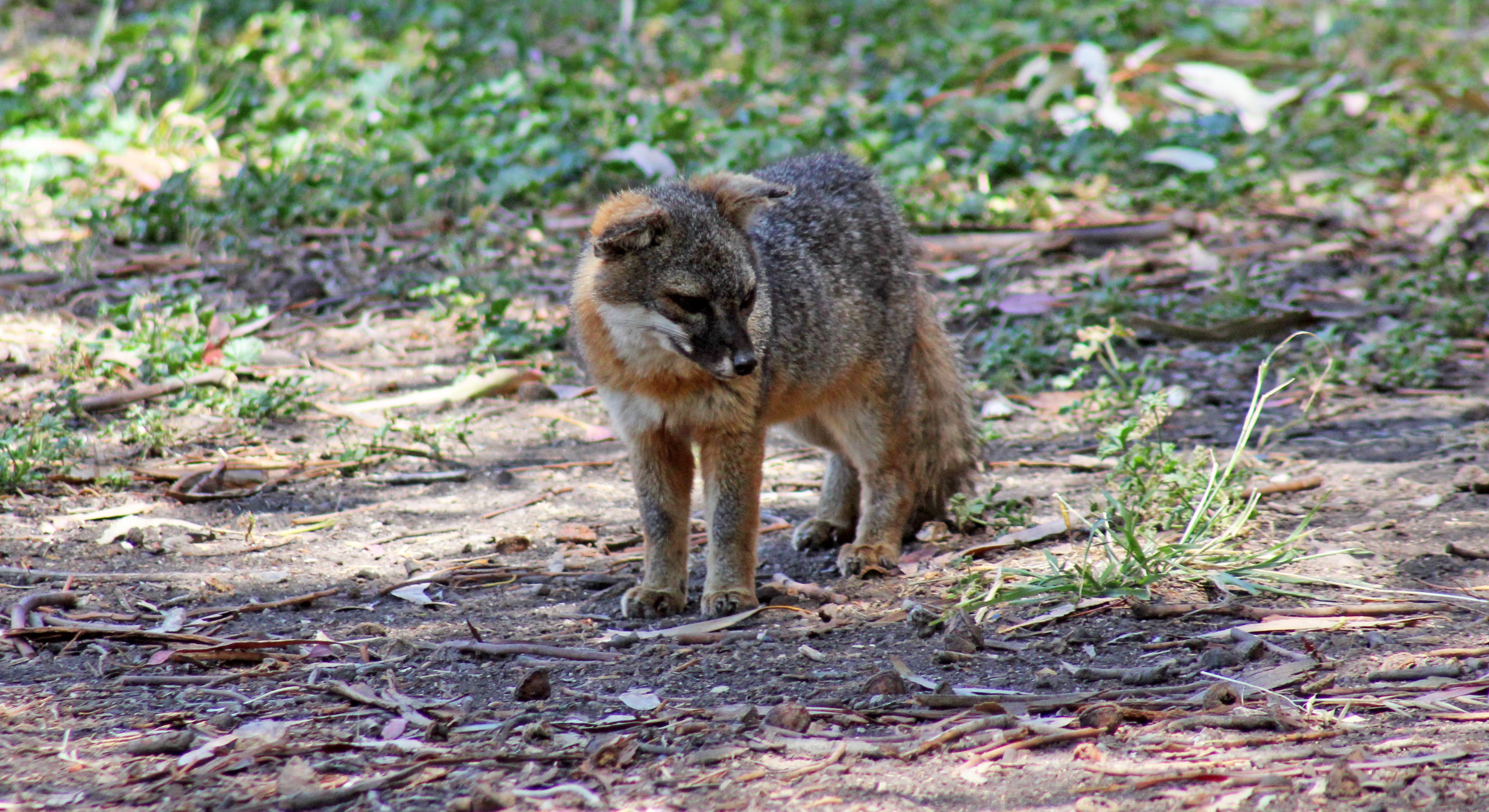 Photo by Jen G
Wildlife Safety and Park Regulations 
Wildlife Safety in Channel Islands
Unlike mainland parks, Channel Islands has no bears or mountain lions - but it does have unique smaller wildlife that demands careful stewardship from campers. The endemic Channel Island fox, found on six of the eight Channel Islands (including Santa Cruz, Santa Rosa, and San Miguel in the park), is about the size of a housecat and utterly unafraid of humans. Bold foxes will enter your campsite in search of food. There are also deer mice on all the islands, as well as plentiful bird life (gulls, ravens) that will snatch unattended food. To protect these animals and yourself, follow these guidelines:
Food Storage Requirements:
- Use the provided food lockers at all times
- Check your packs for snacks before leaving them unattended
- Keep coolers and bags closed and inside the lockers
- Pack out all garbage - do not bury or leave any food scraps
- No feeding wildlife, intentionally or accidentally
- On Anacapa and Santa Barbara, beware of sneaky mice
Animal Encounter Guidelines:
- Island Foxes: If a fox approaches, do NOT feed it. Clap, make noise, or stand tall to shoo it away
- Birds: Seabirds like gulls will be very present, especially on Anacapa and Santa Barbara
- Marine Mammals: Maintain at least 50 feet distance from seals and sea lions
- Insects and Others: The islands generally aren't bad for bugs, but there are ticks in grassy areas
Park Regulations and Etiquette
| Regulation | Rules | Penalties |
|---|---|---|
| No Campfires | All open fires and charcoal grills are prohibited on park islands. Use gas/propane camp stoves for cooking. Smoking is heavily restricted (allowed only in designated areas). | Rangers will enforce fire bans - violators may receive citations and have stoves confiscated if used improperly. A stray spark could cause a catastrophic island wildfire, so this rule is taken very seriously. |
| Leave No Trace | No trash service - pack out everything you pack in. Do not take or disturb anything: no collecting shells, rocks, bones, or plants. Stay on established trails to avoid damaging sensitive flora or causing erosion. | Removal or disturbance of natural or cultural objects can result in fines. Rangers do patrol trails and may issue warnings or citations for going off-trail in sensitive areas. |
| Wildlife Distance | Maintain at least 50 yards from seals/sea lions and give nesting birds wide berth. Do not attempt to touch or feed any animals (fox, bird, etc.). It is illegal and harmful. | Harassing protected marine mammals or other wildlife can incur heavy fines under federal law. Even chasing a fox to get a photo is considered harassment - you could be cited. |
| Fishing and Marine Reserves | Fishing is allowed outside marine reserve zones with a valid California fishing license and Ocean Enhancement stamp. Know the marine reserve boundaries - within those, all fishing is prohibited. No spearfishing in reserve areas; no taking lobster or abalone. | DFW wardens or NPS rangers strictly enforce marine reserves. Illegal fishing can result in gear confiscation and fines up to thousands of dollars. |
| Permits for Special Use | No campfires (reiterating - it's the #1 asked question). No dogs or other pets allowed on any park islands (with exception of service animals). Drones are prohibited. Group size: if you have a large group (more than 10-15), you may need a special permit. | Pets: You'll be turned away at the boat if you show up with a pet. Unauthorized drone use can result in fines ~$500 and drone confiscation. Large unauthorized group activities could be cited for resource damage. |
Additional Park Regulations
Biosecurity Measures: The park mandates that you clean all your gear and shoes before arriving to remove non-native seeds, insects, or soil. No live plants, soil, or cut firewood may be brought to the islands. Even cardboard boxes are discouraged as they can harbor pests. Rangers might ask to inspect bags at the dock.
Emergency communications: Cell service is generally nonexistent (you might catch a weak signal on higher elevations of Santa Cruz or Santa Rosa sometimes, but it's unreliable). Rangers have radios for emergency communication.
Trail Closures: If an area is signed as closed (commonly for seasonal wildlife protection, like seabird nesting sites or pinniped rookeries), do not enter that area.
Campground Check-in/out: Official check-in time is usually 2:00 PM and check-out 11:00 AM (though this is flexible given boat schedules).
 Photo by Katie O
Beyond the Campground: Activities and Exploration 
Day Trips from Channel Islands Campgrounds
From Santa Cruz Island (Scorpion Campground):
Sea Cave Kayaking: One of the most famous adventures is paddling through the sea caves of eastern Santa Cruz Island. From Scorpion Anchorage, you can join a guided kayak tour or venture on your own to explore Cavern Point Cave, Elephant Belly Cave, and the shimmering blue waters inside Scorpion Cave. Expect to see bright garibaldi fish and harbor seals bobbing nearby.
Potato Harbor Overlook: A moderate 5-mile round-trip hike from Scorpion Campground leads to Potato Harbor, an undeveloped cove with brilliant turquoise water. The trail climbs to bluffs above the harbor, offering panoramic views and often dolphin or whale sightings offshore.
Snorkeling at Scorpion Anchorage: The kelp forest just offshore from Scorpion Beach is a Marine Protected Area teeming with life. On a calm, clear day, put on a wetsuit and snorkel gear and you can observe orange garibaldi, spiny lobsters, rockfish, and maybe even a harmless leopard shark.
From Santa Rosa Island Campground:
Torrey Pines Nature Hike: A 3-mile (round-trip) trail from Water Canyon Camp leads to Torrey Pines - an ancient grove of rare pine trees that only exist here and one spot in San Diego. The hike meanders over a coastal terrace and suddenly you find yourself among gnarled pines and a sweeping view of Bechers Bay.
White Sand Beach Walks: Santa Rosa boasts gorgeous beaches. A day trip favorite is a hike or stroll to Water Canyon Beach (1.5 miles from camp) or farther to East Point. Water Canyon Beach is close - great for sunbeachcombing, and watching surf (though water is cold).
Black Mountain Summit: For fit hikers craving elevation, trail markers lead 4 miles (one-way) from camp up to Black Mountain (1298 ft), the tallest point accessible without a guide. It's a strenuous trek - about 8 miles round-trip and 1,000+ ft climb - but the 360° view from the top is stunning.
From San Miguel Island Campground:
Cuyler Harbor & Cabrillo Monument: It's a steep hike down (and back up) from camp to Cuyler Harbor beach, but an afternoon on this pristine white sand beach is worth it. Explore tidepools at the east end (look for colorful sea anemones and scuttling hermit crabs).
Point Bennett Guided Hike: The crown jewel day trip on San Miguel is the ranger-guided hike to Point Bennett, home to one of the world's largest congregations of pinnipeds. This ~14-mile round-trip trek starts early (usually around 8 AM) from the campground.
From Anacapa & Santa Barbara Islands:
Inspiration Point (East Anacapa): From Anacapa's campground, a 1-mile trail (one-way) traverses the island's plateau to Inspiration Point, arguably one of the most spectacular vistas in the park. You'll overlook a chain of islets stretching west - Middle and West Anacapa - with emerald water crashing at Arch Rock below.
Signal Peak Loop (Santa Barbara): Santa Barbara Island's highest point, Signal Peak (635 ft), can be reached via a 5-mile loop trail from the dock area (and campground). The trail climbs past dramatic sea cliffs and wildflower-covered slopes (in spring) to the summit, where a now-unused US Coast Guard light stands.
Top Hiking Trails Near Channel Islands NP Campgrounds
| Trail Name | Difficulty & Distance | Key Features |
|---|---|---|
| Cavern Point Loop (Santa Cruz) | Easy-Moderate ~2 miles round-trip | Cliff-top loop from Scorpion Camp with sweeping ocean views. Great for sunrise/sunset. Look for sea caves below and whales offshore in season. |
| Potato Harbor Trail (Santa Cruz) | Moderate 5 miles round-trip | Coastal bluffs to a beautiful natural harbor overlook. No beach access, but fantastic vantage of turquoise waters and rugged shoreline. |
| Cherry Canyon Trail to Black Mountain (Santa Rosa) | Strenuous 8 miles round-trip | Steady uphill to Santa Rosa's interior high point (~1298 ft). Panoramic views across the island's rolling hills and out to sea. Wildflowers common along trail in spring. |
| East Point via Coastal Route (Santa Rosa) | Moderate (long) ~10 miles round-trip (out-and-back) | Beach walk and trail combo leading to sand dunes and remote east end beaches. Wildlife sightings likely (foxes, seabirds, maybe elk footprints from historic herds). |
| Signal Peak Loop (Santa Barbara) | Moderate 5 miles loop | Summits the island with 360° views, plus visits Sea Lion Rookery overlook and Webster Point (sea cliffs). Short but steep sections; incredible sense of solitude. |
| Inspiration Point Trail (Anacapa) | Easy 2 miles round-trip | Gentle walk to iconic overlook of Anacapa's islets and Arch Rock. Surrounded by nesting gulls in spring. Probably the most photographed spot on Anacapa. |
Water Activities in Channel Islands
Sea Kayaking & Boating:
- Kayak the Sea Caves - Santa Cruz Island's Scorpion Anchorage is renowned for its sea caves
- Bring or Rent Kayaks - Island Packers allows kayaks on the ferry with advance notice
- Private Boats - Visiting via private boat gives flexibility
- Fishing from Kayaks or Shore - If angling, remember only outside marine reserves
Snorkeling & Diving:
- Kelp Forest Snorkeling - Around the islands, lush kelp forests sway beneath the surface
- Free Diving & Scuba - Certified scuba divers will find some of the finest temperate diving here
- Marine Life Encounters - When swimming or snorkeling, you might see curious young sea lions
- Snorkel Safety - There are no lifeguards anywhere
Swimming & Tidepooling:
- Beach Swimming - Some island beaches are inviting
- Tidepooling - The rocky intertidal zones around the islands are teeming with life
- Surfing - Occasionally, campers bring a surfboard
The Dyrt Community Insights 
Ranger Recommendations
The Dyrt Rangers - experienced campers who have explored Channel Islands National Park - offer a few insider tips to enhance your trip:
Best Campsites and Island Highlights: "In Scorpion Campground on Santa Cruz Island, I love the sites in the upper loop (sites #20-25) because they're near the trailheads but still sheltered by trees," notes one The Dyrt Ranger. Another Ranger emphasizes Santa Rosa's charms: "Santa Rosa Island is the gem for solitude. The Water Canyon sites are all similar, but try for one tucked by the canyon wall for wind protection."
Timing and Seasonal Advice: Several Rangers recommend visiting in the shoulder seasons. "September is my absolute favorite - the ocean is warm(ish), the island grasses turn golden, and the crowds thin out," says a Ranger who has camped on Santa Cruz multiple times.
Top-Rated Sites from The Dyrt Community
| Category | Top Pick & Rating | Key Highlights |
|---|---|---|
| Highest-Rated Island Campground | Scorpion (Santa Cruz Island) 4.9/5 | Family-friendly, gorgeous scenery, potable water on-site, access to best hiking and kayaking. |
| Best for Solitude | Del Norte Backcountry 4.8/5 | Only four sites, often only occupied by a couple parties at a time. Backpack-in only. Reviewers love the silence, starry skies, and true wilderness vibe. |
| Most Unique Experience | San Miguel Island Campground 4.8/5 | Remote and rugged. Campers rave about the wildlife immersion - thousands of seals and endemic foxes. Not for the faint of heart, but those who go call it the trip of a lifetime. |
Community Insights and Recommendations
Camping Logistics: The Dyrt community emphasizes preparation. Many reviewers mention the importance of packing smart: "Make a checklist and check it twice - there really is no popping over to a store if you forget something!"
Wildlife Highlights: Community members can't say enough about the wildlife. Many were delighted by the playful foxes - one camper humorously called them "miniature camp counselors making rounds."
Mainland Staging: Campers often discuss their before and after strategies. Many recommend staying in Ventura or Carpinteria the night before to avoid stress on ferry day.
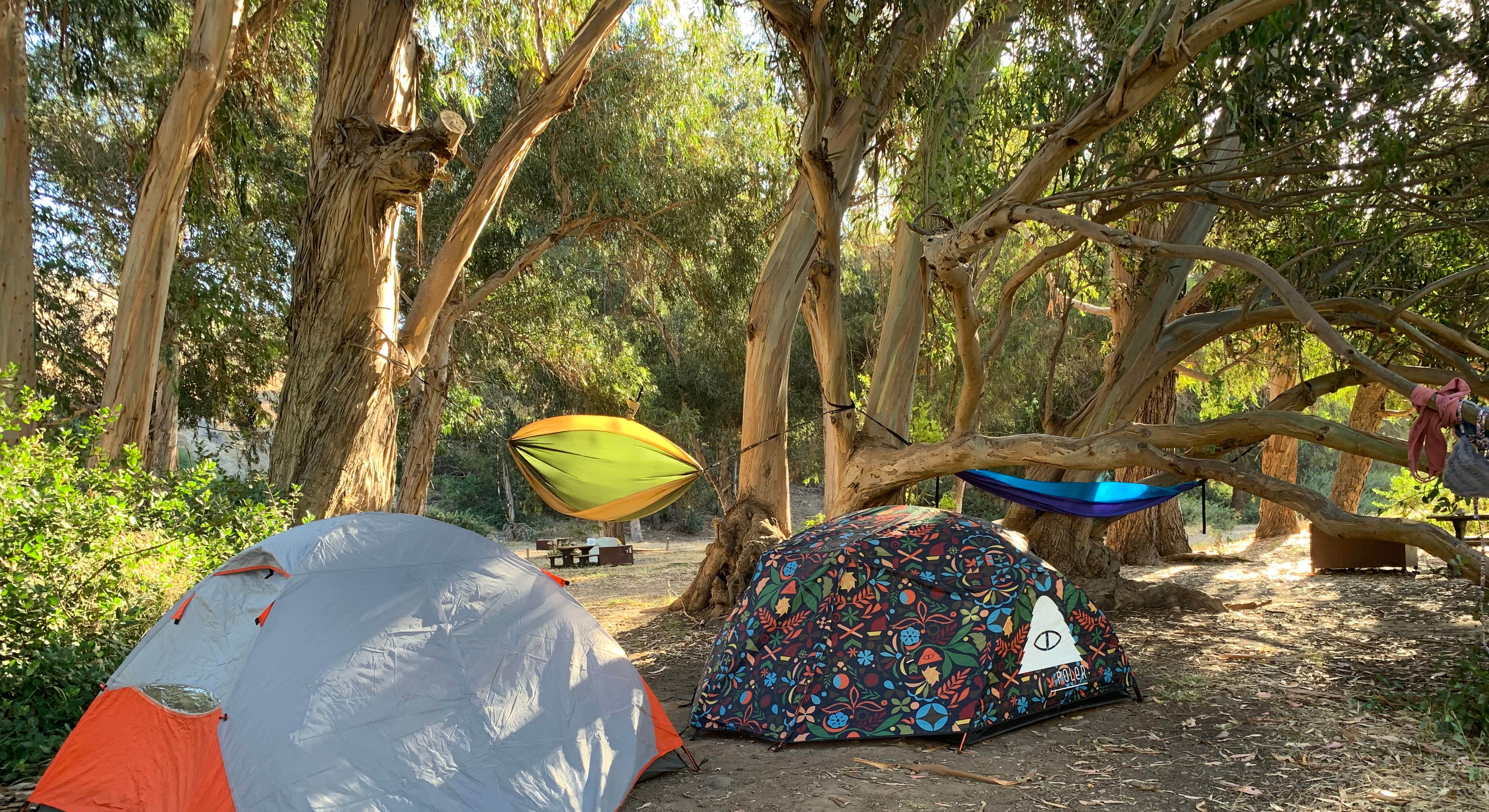 Photo by Meesh C
Responsible Camping Practices 
Camping in the Channel Islands is a privilege - these islands are sometimes called the "North American Galapagos" for their unique and fragile ecosystems. With no services and minimal infrastructure, Leave No Trace principles are paramount.
Wildlife Protection:
- Secure all food and trash to protect island foxes, mice, and birds
- Give animals space - use binoculars to observe up close
- Report unusual wildlife encounters to rangers
Leave No Trace:
- Pack it in, pack it out - everything
- Leave natural objects where they lie
- Minimize campfire impact: Actually, in this case, just don't have one
- Respect other visitors - sound travels
Water Conservation:
- Bring enough, but don't waste it
- Sponge baths over showers - embrace being a little salty and sandy
- Toilet etiquette: Use the composting or vault toilets properly
Campfire Responsibility:
- While campfires are not allowed on the islands, if you camp on the mainland before/after, follow local regulations
- No smoking on trails or in vegetation areas
- Stoves: Make sure your camp stove is on a stable surface
- Emergency preparedness: Have a plan if something catches fire
Frequently Asked Questions 
How far in advance do I need to reserve campsites and ferries for Channel Islands?
For the summer high season, plan to book 6 months in advance (when the reservation window opens) for campgrounds - especially for weekends on Santa Cruz Scorpion Campground and Santa Rosa Island, which are most popular. Ferry bookings through Island Packers should be made as soon as you know your dates; summer boats can sell out weeks or months ahead.
What if the weather is bad or the ocean is too rough? Can I get stuck on the island?
It's rare, but yes, it's possible. Island Packers and park rangers prioritize safety - if a storm hits or seas are unsafe, the boats won't run. Campers might have to stay an extra night (or several) until conditions improve. This happens more often in winter. Always bring a bit of extra food and water beyond your planned stay.
Are there any services at all on the islands? Water, electricity, restrooms?
Services are extremely limited. Water is only available at Scorpion Campground (Santa Cruz) and Water Canyon Campground (Santa Rosa). There is no electricity for public use, no showers, no trash pickup, no camp stores or cafes, and no cell service/Wi-Fi.
What about first aid or dangerous wildlife - are there things that can hurt me?
The Channel Islands are relatively benign in terms of dangerous wildlife. There are no bears, no mountain lions, no rattlesnakes on the northern Channel Islands. The main hazards are terrain-related: cliffs, loose rocks, and steep trails. Bring a first aid kit and be prepared to handle common issues: blisters, cuts, sunburn, dehydration.
Can I camp on multiple islands in one trip? How do I arrange that?
It's possible, with careful planning, but logistics can be challenging. Island Packers ferries generally run island-specific trips each day. To multi-island camp, you have to coordinate the ferry schedule and have reservations on each island for the corresponding nights.
What is the best island for a first-time Channel Islands visitor?
Santa Cruz Island Scorpion area is the most popular for first-timers. It's the easiest to reach (1-hour ferry), has water, lots of activities (kayaking, hiking), and the most forgiving weather. Santa Rosa Island is great if you have a bit more time and want more solitude and a wider variety of landscapes.
Do I need to worry about seasickness? What are the boats like?
If you're at all prone to motion sickness, then yes, take precautions. The ferry crossing can be rough, especially to the outer islands. Take a non-drowsy Dramamine (meclizine) or similar about an hour before departure. On calm days, the ride can actually be fun - like a whale watching cruise.
Can I bring my [drone, pet, musical instrument, surfboard, etc.] to the islands?
Drones are prohibited in all national parks. No pets allowed on the islands. Musical instruments are technically allowed but use discretion. Surfboards/Stand-up Paddleboards can be brought for an extra fee but logistics are challenging. Fishing gear is allowed if you plan to fish outside marine reserves.
Planning Resources
Essential Channel Islands Links
- The Dyrt Channel Islands Campground Finder - Find top Channel Island campgrounds based on real camper reviews and photos
- Channel Islands National Park Official Website - Latest park alerts, island-specific info, trail maps, and guidelines
- Island Packers Cruises - Ferry schedules, booking portal, and FAQs about boat trips
- Recreation.gov Channel Islands Camping - Direct portal to reserve campsites on all the islands
- Channel Islands National Marine Sanctuary - Info on the protected marine areas around the islands
- NOAA Marine Forecast - Look at the forecast for the Santa Barbara Channel
Channel Islands NP Reservation Timeline
| Time Frame | Task | Details |
|---|---|---|
| 6 Months Before | Reserve Campsite | Mark the date when Recreation.gov opens for your target trip dates (exactly 6 months out, at 7 AM PT). Have backup date options in case your first choice fills fast. |
| 5-6 Months Before | Book Ferry Transportation | As soon as your campsite is secured, book Island Packers ferry tickets. Coordinate the island, dates, and how many people. |
| 1-2 Months Before | Gear Check & Prep | Begin organizing gear. Ensure you have a proper tent, camp stove, water containers, etc. Purchase any needed items. |
| 2 Weeks Before | Finalize Food & Supplies | Create a meal plan and grocery list. This is a good time to read recent The Dyrt reviews or park alerts for any changes. |
| 1 Week Before | Weather Watch & Confirmation | Start monitoring the marine forecast for your trip window. Call Island Packers or check their site for any notices. |
| 1-2 Days Before | Pack & Travel | Pack your gear thoroughly using a checklist. If you're driving a long distance, come into the area the night before. |
| Day Of Departure | Embark! | Arrive at the harbor early (at least 45-60 minutes before your boat time) to park and check in. |
Channel Islands Camping Checklist
Documents and Planning:
- Camping reservation confirmation
- Ferry tickets or email confirmation
- Photo ID
- Emergency contact info left with someone at home
- Cash or credit card for parking
- Park map or trail maps
Camp Gear:
- Tent (with full rainfly, poles, stakes, ground cloth)
- Sleeping bag (rated appropriate for expected temperatures)
- Sleeping pad (and repair kit for air pads)
- Headlamp (with fresh batteries)
- Backpack or duffel to carry gear from boat to campsite
- Extra tarps or guy lines
- Lightweight camp chair or sit pad (optional)
Kitchen and Food:
- Stove and fuel canisters
- Cookpot, pan, utensils
- Lighter or matches (in waterproof case)
- Biodegradable soap, scrubber, and a small towel for dishes
- Water bottles/Bladder (capacity for at least 2-3 liters per person)
- Water filter or treatment drops
- Food for all meals + extra
- Energy bars, trail mix, or other high-calorie snacks
- Cooler (small, if bringing perishables on shorter trip)
- Garbage bags (heavy-duty)
Clothing:
- Base layers: moisture-wicking shirts, underwear, hiking socks
- Insulating layer: fleece or puffy jacket
- Rain/Wind layer: waterproof jacket with hood, windbreaker
- Hiking pants/shorts
- Long-sleeve shirt
- Hat: wide-brim sun hat and a warm beanie for nights
- Gloves: lightweight gloves for wind/cold
- Swimsuit and packable quick-dry towel
- Wetsuit (if snorkeling or kayaking)
- Sturdy hiking boots and/or trail shoes
- Camp shoes: sandals or slip-ons
Miscellaneous Gear:
- First aid kit: personal medications, bandages, antiseptic, pain relievers, blister care
- Sun protection: sunscreen, lip balm with SPF, sunglasses
- Insect repellent
- Toiletries: toothbrush, toothpaste, biodegradable soap, hand sanitizer, toilet paper
- Toilet trowel & waste bags
- Sea sickness remedies: Dramamine, Sea-Bands, ginger chews
- Camera or GoPro
- Binoculars
- Multi-tool/knife
- Paracord
- Extra ziplock bags
- Earplugs
- Portable charger for electronics
- Whistle
- Maps/Guidebook
By planning carefully and following park guidelines, your Channel Islands camping experience will be both enjoyable and responsible. Whether you're watching the sunset glow on Anacapa Island's dramatic cliffs or stargazing from a Santa Rosa Island bluff, camping in Channel Islands connects you to one of America's most spectacular and unique coastal landscapes. For more inspiration and tips, check out Channel Islands camping guides on The Dyrt and best national parks for kids.