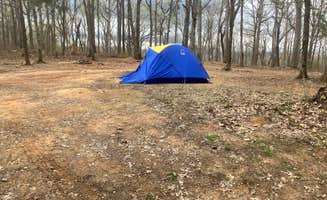
Dispersed camping options near Mount Gilead, North Carolina extend beyond Uwharrie National Forest into less-traveled areas. The region sits at relatively low elevations between 400-1,000 feet, making it accessible for primitive camping year-round when higher elevation areas might be snow-covered. Forest terrain consists primarily of mixed hardwoods with pine stands, creating natural shelter at most primitive sites.
What to do
Deer hunting opportunities: The western forest area southwest of Troy offers secluded spots for hunters. According to one camper at Uwharrie National Forest, "This area was a place that I went often to deer hunt in the fall. I have never came across another camper/hunter at this location. It is a good location if you are looking for an area that is away from camp grounds and heavy traffic."
Kayaking access points: The Little River section provides water-accessible primitive camping. A regular visitor to Uwharrie notes, "Me and my friends would always float our kayaks down the river to a place we called 'Bird Dog' and camp for the night. If you are looking for a place that has very little traffic, this is the place you want to go!" Access is available where Pekin Road crosses the Little River.
Winter backpacking routes: When higher elevations become impassable, the Uwharrie region offers year-round backpacking opportunities. "As much of the higher elevations are impassable during the winter months, the forest offers backpackers an opportunity to stay on the trail a few days," explains one hiker. The full Uwharrie Trail spans approximately 20 miles point-to-point, providing multiple primitive camping options.
What campers like
Stream-adjacent sites: Creek access at many primitive sites provides natural water sources and pleasant ambient sound. At Birkhead Mountain Wilderness Area Dispersed, one visitor mentioned, "Very nice trails. Well maintained. Not marked the best... signs at intersections. Plenty of creeks. Hike in for dispersed camping."
Solitude in remote areas: Primitive sites accessible only by hiking tend to offer greater isolation from vehicle noise. At Dispersed Camping off Falls Dam Trail, a camper shared, "Had a good time camping and enjoyed the song of wind and birds." These more remote locations require additional planning but reward with quieter surroundings.
Multiple water sources: Filtered water availability along trails supports longer backpacking trips. "The streams, provided one has filtration or iodine tablets, provide ample sources of drinking water," notes a backpacker. This network of streams helps reduce the water weight campers need to carry when traversing longer sections of trail.
What you should know
Navigation challenges: Some trail sections have unclear markings, requiring map skills. According to one hiker, "The trailhead is kind of hard to follow sometimes, sections of the trail are prone to flooding and creek crossings can become difficult following heavy rains."
Required permits: Certain areas, particularly OHV trails, require overnight passes. One camper explained, "There are 6 different stores/gas stations that have the overnight passes available for purchase. We got our passes from Eldorado outpost and the attendants there were very knowledgeable and helpful!"
Trash management: Pack-out requirements apply throughout primitive camping areas, with some sites needing cleanup upon arrival. A regular visitor to Robbins Branch Trail advised, "Some of the sites may have a little trash left from the last user, so please try to leave it cleaner than you came to."
Tips for camping with families
Stream exploration: Creek-adjacent sites offer natural water activities for children. "We picked a nice one near a stream," shared one visitor, though noting vehicle traffic can sometimes be heard even at more secluded locations.
Safety during hunting seasons: Bright clothing is essential during designated hunting periods. A camper recommended, "Make sure to wear bright colors during hunting season because there are a ton of people out deer hunting in this area. That being said there are a ton of great campsites that are private and secluded."
First-timer locations: For families new to primitive camping, shorter access trails provide good introduction spots. "It was a short hike and easy to moderate," described one solo camper about a site along the Uwharrie Trail, though noting that those seeking complete quiet should "hike farther in" to avoid highway noise.
Tips from RVers
Site accessibility: Most primitive camping areas require 4WD or AWD vehicles, especially after rain. "This is a great area for dispersed campers with 4WD or AWD. It's pretty popular so head out early to secure your spot," advises one regular visitor. Arrive early in the day to secure suitable locations, particularly on weekends.
Generator use: Pop-up campers can utilize generators at certain rustic sites. "The State Forest has camping. We used our pop-up with a generator in rustic locations," shared one RVer who enjoyed the various recreational options available nearby.
Level site locations: Some designated areas provide relatively level tent platforms. "The tent sites nice and clean and level. The host drove through many many times in the 3 days I was there," reported a camper who appreciated the periodic monitoring of dispersed sites.




 Legend


