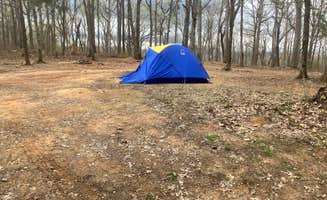
Dispersed camping near Davidson, North Carolina provides primitive backcountry experiences with minimal facilities. The area sits at the foothills of the Uwharrie Mountains where elevation varies between 500-1,000 feet. Summer temperatures regularly exceed 90°F with high humidity, while winter nights can drop below freezing. These public lands require complete self-sufficiency including proper waste management and water filtration.
What to do
Hiking trails exploration: Birkhead Mountain Wilderness Area Dispersed offers multiple trail options for day hikes from camp. A visitor notes, "Very nice trails. Well maintained. Not marked the best... signs at intersections. Plenty of creeks." Hiking these trails requires proper navigation tools as some intersections lack clear markings.
Wildlife observation: The forests near Dispersed Camping off Falls Dam Trail contain diverse bird populations. One camper reports, "Had a good time camping and enjoyed the song of wind and birds." Bringing binoculars improves wildlife spotting opportunities, particularly during spring migration periods.
Stream fishing: Multiple creeks cross through the camping areas, providing small-scale fishing opportunities. Pack ultralight fishing gear and check local regulations as some waterways have seasonal restrictions or catch limits.
What campers like
Solitude and quiet: Birkhead Mountain Wilderness Area receives positive feedback for its remote feel despite proximity to urban areas. The backcountry camping requires sufficient hiking gear as the most suitable sites require 2-3 miles of hiking from trailheads.
Natural water features: Creek access provides both practical benefits and natural scenery. Multiple small streams cross the wilderness area, though they may run low during late summer and early fall. Water requires treatment before consumption.
Accessibility: Several locations offer variable difficulty levels. Some spots near Falls Dam Trail allow vehicles close to camping areas, while wilderness options require more rigorous hikes. This range accommodates different physical abilities and equipment loads.
What you should know
Navigation challenges: Trail markings can be inconsistent throughout the region. Paper maps prove essential as cell service becomes unreliable beyond trailheads. Wilderness boundaries often lack clear markings, requiring vigilant orientation.
Weather considerations: The region experiences sudden thunderstorms during summer months with limited shelter options. Winter camping requires additional insulation as temperatures frequently drop below freezing overnight from November through March.
Supply planning: No services exist within several miles of camping areas. Campers must arrive with all necessary supplies including water, food, waste disposal bags, and emergency equipment. The nearest supply points remain at least 20-30 minutes driving time from most camping locations.
Tips for camping with families
Site selection: When camping with children, look for flat terrain with natural boundaries. Stream areas provide both entertainment and practical water access for filtering. Choose sites at least 200 feet from water sources to minimize environmental impact.
Wildlife awareness: The area contains various wildlife including snakes and occasional black bears. Food storage in sealed containers prevents unwanted animal encounters. Teaching children proper wilderness protocols improves safety.
Time management: Dispersed Camping off Falls Dam Trail offers more accessible options for families with young children. Plan arrival with sufficient daylight for setup, allowing at least 1-2 hours before sunset.
Tips from RVers
Road conditions: Access roads vary seasonally, with some becoming impassable after heavy rain. High-clearance vehicles fare better on most approaches. RVs exceeding 25 feet face significant limitations accessing dispersed sites.
Parking considerations: Level parking areas remain limited in size and number. Early arrival increases chances of securing suitable spots, particularly during spring and fall weekends when visitation increases.
Self-containment requirements: All waste must leave with you, including gray water. No dump stations exist nearby, requiring complete tank management planning before arrival. Pack out all trash and camping debris.



 Scout
Scout


