Primitive campsites dot the forests and lakeshores throughout the Adirondack region surrounding Sabael, New York. Located at elevations between 1,700-2,100 feet, this area features dense northern hardwood forests interspersed with small mountain ponds and streams. Rustic camping options range from roadside pull-offs to remote island sites accessible only by boat, with weather conditions varying significantly by season.
What to do
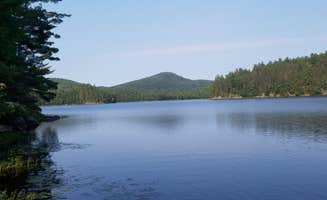
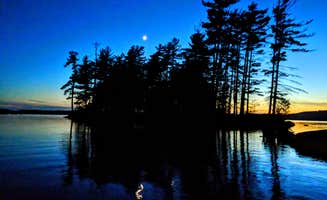
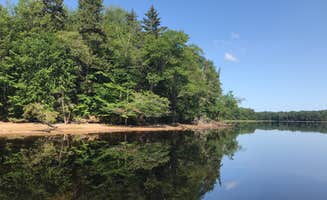
Paddle to island campsites: Stillwater Reservoir offers numerous water-accessible primitive sites. According to visitor Kane, "I came here a couple days ago only to realize that all except one campsite needs a boat to be reached." Many campers bring canoes or kayaks to reach secluded spots on islands throughout the reservoir.
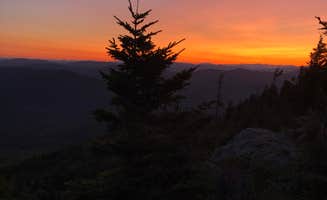
Hike nearby trails: Camping at Crane Mountain Pond Campsite provides easy access to mountain hiking trails. Camper T.K. notes, "After a short hike up steep crane mountain we watched the beautiful sun set." The trail network connects to several mountain summits with viewpoints overlooking the surrounding wilderness.
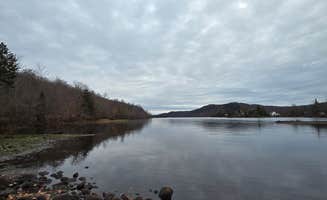
Swimming and beach exploration: Stillwater Reservoir features natural beach areas that change with water levels. Elizabeth B. describes, "The season had had unusually low water all over and it left a really unusual landscape on the beach to explore." Many sites have direct water access for swimming during summer months when water temperatures reach the mid-70s.
Wildlife watching: Dawn and dusk provide prime opportunities for viewing native wildlife. At Stillwater Reservoir, Christie M. reported, "We saw Bald Eagles and Loons, enjoyed swimming, canoeing and paddleboarding with the family." Moose, deer, and various bird species inhabit the surrounding forests.
What campers like
Complete disconnection: The remote location forces a digital detox for most visitors. Sam T. noted about Stillwater Reservoir, "Would recommend if you want to break away from technology because you get zero service out there." This remoteness creates opportunities for stargazing without light pollution.
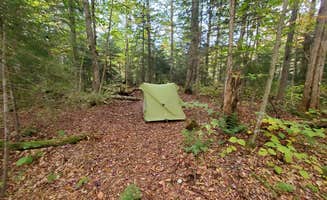
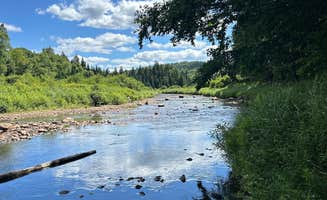
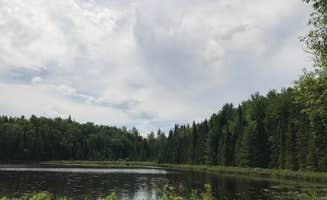
Waterfront camping: Sites along lakes and streams provide scenic locations with natural soundscapes. At Cod Pond Dispersed Pull-Off, Taylor A. shared, "There is a river down the hill from the campsite which helps keep it fairly cool at night." Water access directly from campsites allows for fishing, swimming, and paddling.
Spacious sites: Many dispersed camping areas offer ample room for larger groups. Christie M. mentioned her experience at Stillwater: "It was so peaceful with our site #37 accommodating 20 members of the family plus 3 dogs!" Sites typically provide sufficient space for multiple tents and activities.
Natural beach areas: Sandy shorelines provide recreation opportunities beyond camping. At Seventh Lake Primitive Camping, Mary B. explains, "There is a large sand bar within a very short walk which was a great place to hang out."
What you should know
Limited facilities: Most sites lack basic amenities. At Bear Slide in Lake George Wild Forest, Brendan M. reports, "There is a bathroom at the entrance. No fires because it's super remote." Water filtration equipment is essential as potable water is not available at most sites.
Vehicle requirements: Many access roads require appropriate vehicles. Taylor A. notes about Cod Pond, "The directions in the app are accurate - but do keep in mind that the campsite is down a dirt road which is well hidden from the main road if you aren't paying close attention." Several sites require high-clearance vehicles, particularly after rainfall.
Seasonal considerations: Spring brings significant mud and black flies while summer humidity increases mosquito activity. Taylor A. warned about Cod Pond, "The bugs were terrible." Fall offers cooler temperatures and reduced insects but requires warmer sleeping gear as nighttime temperatures can drop below freezing.
Navigation challenges: Many sites lack clear signage or marked boundaries. Josie W. noted about Cod Pond, "We only saw sites 3 and 6 marked and took #6." Physical maps are recommended as GPS reliability diminishes in remote areas.
Tips for camping with families
Island camping adventures: Families with water transport equipment can access more remote sites. Christie M. from Stillwater Reservoir shared, "We saw Bald Eagles and Loons, enjoyed swimming, canoeing and paddleboarding with the family." Island sites provide natural boundaries for children while offering water-based activities.
Consider weather variability: Temperature swings can be significant even in summer months. Elizabeth B. recalls, "Even in cold rainy weather we had a phenomenal time at Stillwater." Pack appropriate clothing layers for all family members as weather conditions can change rapidly.
Site selection criteria: Seek out locations with natural features that entertain children. Sam T. mentioned about a site at Ward Brook Campsite, "Great campsite with a nice lean-to. Fire pit, picnic table, and a privy. A bit further you will find some tent spots too. Plenty of water around." Look for sites with gradual water access, natural play features, and adequate flat tent space.
Plan for no connectivity: Children accustomed to digital entertainment need alternatives. Joseph S. notes that Stillwater is "a wonderful place to 'get lost' (voluntarily at least)!" Pack non-electronic games, books, and nature exploration tools.
Tips from RVers
Limited RV accessibility: Few dispersed sites accommodate larger vehicles. Sam T. notes about Stillwater Reservoir, "Was a great camp site very big and had a trail that lead down to the water. This campsite is right down the road from the fire tower trail." Small trailers and truck campers have more options than larger RVs.
Prepare for rough roads: Access routes often feature challenging conditions. Brendan M. described Bear Slide access as "rocky getting there but super super remote... Great space for my jeep and honestly you could fit a LARGE RV." Scout locations without your rig first when possible.
Pack all supplies: No services exist near most sites. Geoff W. advises Stillwater visitors, "You should bring water or something to filter it from the reservoir." Plan for complete self-sufficiency, including water, power, and waste management for the duration of your stay.













 Legend


