Tent camping near Gilford, New Hampshire offers access to the Lakes Region's forested terrain which sits at elevations between 500-1,900 feet. Summer temperatures typically range from 60-85°F, while spring and fall can drop to the 30-50°F range with occasional frost. Several remote sites require hiking distances of 1-5 miles, providing different levels of isolation compared to established campgrounds.
What to do
Climb Mount Cardigan: Just 42 miles west of Gilford, Cardigan Campsites provides a strategic base for hiking the mountain. "Great spot to spend the night before a climb of Mt. Cardigan! The climb is challenging but shouldn't take too long. Great fire tower views at the top too!" notes Madison G.
Kayak on Baker River: The waterways near Gilford provide calm paddling opportunities with mountain views. "Along another bend of the river were two chairs for taking in the scenery," says Justin P. about Baker Rocks, located 35 miles northwest of Gilford.
Rock climbing at Rumney: For adventurous campers, the granite cliffs near AAC Rattlesnake Campground offer world-class climbing routes. "I started climbing at Rumney about a decade before this campground was developed, and man, were we overdue for one! Maintained by the American Alpine Club, pretty much all the campers here are rock climbers," shares Les R.
What campers like
Secluded water access: Many campers appreciate the quiet waterfront sites. "The tent sites are private but across the trail from the pond so no view directly from your tent," explains Erin H. about Sawyer Pond, which requires a 1.5-mile hike from the trailhead.
Well-maintained facilities: Campers consistently mention the quality of facilities. "The composting toilets were clean," reports Jen S. about the backcountry sites at Squam Lakes Association, where both boat-in and hike-in camping options are available.
Quiet weekday camping: Mid-week visits offer the best chance for solitude at popular sites. "I camped on Tuesday night so all but one site were available when I arrived," notes Aubrey V. about Sawyer Pond, contrasting with weekend crowding when sites fill quickly.
What you should know
Limited firewood availability: At many remote sites, collecting firewood can be challenging. "There was very little available firewood near the campsites," explains Hunter P. about Sawyer Pond, where campers should be prepared to search further from camp or bring their own.
Fire restrictions vary: Some campgrounds prohibit open fires entirely. At Paugus Brook Farm, "fires aren't permitted due to area fire restrictions," according to Justin P., though the campground offers five tent sites with vault toilets and drinking water.
Weekend overcrowding: First-come, first-served sites fill quickly, especially at accessible locations. "Sawyer Pond was completely full on Saturday night," warns a camper, suggesting Thursday or Sunday arrivals for better site availability during summer months.
Cell service gaps: Most remote camping areas lack reliable connectivity. One reviewer notes there is "no cell service" on the 9-mile road leading to Sawyer Pond trailhead, making advance planning and printed directions essential.
Tips for camping with families
Beginner-friendly backpacking: For first-time backpackers with children, choose sites with shorter approaches. "This is a great beginner backpacking trip, great even for kids! The site has one shelter and 6 campsites available on the bank of Sawyer Pond," recommends Sarah C.
Kid-friendly amenities: Some campgrounds offer specific features for families. At Baker Rocks, "they even have animals to visit like bunnies and goats (far away from the campsites)," mentions April W., making it appealing for children who enjoy animal encounters.
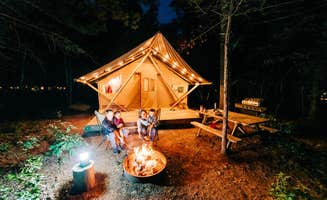
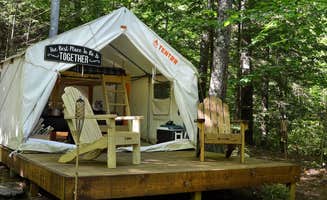
Alternative accommodations: For families new to camping, consider glamping options. "Baker Rocks had a host of different camping options onsite including tent platforms, yurts, and cabins," notes Justin P., providing comfort options for families with varying camping experience levels.










 Guide
Guide


