Forest Service cabins near Stanford, Montana provide wilderness access to the surrounding Little Belt Mountains and Judith Basin. These cabins range from basic rustic structures to renovated historic buildings at elevations generally between 5,000-7,000 feet. Winter temperatures often drop below freezing while summer conditions remain mild with occasional thunderstorms.
What to do
Hiking to ice caves: Crystal Lake Group Campsite serves as an excellent base for adventurous hiking. "The hike to the ice caves, while difficult, is SO worth it," notes one visitor who frequently camps in the area. The ice caves maintain freezing temperatures year-round, creating unique geological formations.
Fossil hunting: Several creeks near Dry Wolf Cabin offer opportunities for rock hounding and fossil collecting. "Lots of activities nearby rock hounding/fossils, hikes, small waterfall, swimming in creek," explains a camper who stayed at this location.
Winter recreation: The Kings Hill area provides access to extensive snowmobile trails and backcountry skiing during winter months. Winter visitors can access multiple trailheads from the highway with parking available at designated areas.
What campers like
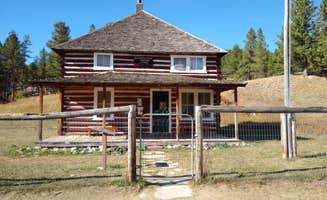
Historic structures: Judith Guard Station offers a unique stay in a historic two-story cabin near the Middle Fork of the Judith River. Water is available from a hand pump and a vault toilet is located next to the cabin. "This cabin is an historic two story cabin," notes a visitor who appreciated the heritage value.
Privacy and solitude: Many cabins in the region provide secluded getaways, particularly during weekdays. One camper at Crystal Lake Group Campsite reported, "We had the place to ourselves mid week it was so quiet. Lots of space between spots, easy to get into."
Seasonal accessibility: Several cabins remain accessible during winter months, particularly those near main roads. Others operate only during summer seasons, typically from mid-June through Labor Day. Some locations require advance preparation for seasonal conditions.
What you should know
Water availability: Most cabins require visitors to bring their own water or collect from nearby sources. Monument Peak Lookout has no drinking water available, requiring guests to pack in all water needed for their stay.
Seasonal limitations: Crystal Lake Cabin operates only from June 15 to Labor Day, restricting access during other times of year. Snow typically blocks access roads until late spring.
Basic preparation: Cabins require guests bring essential supplies. "Bring 100% of your own bedding," advises a Monument Peak visitor who notes the importance of proper preparation for these accommodations.
Cleaning expectations: Forest Service cabins operate on a leave-it-as-you-found-it policy, requiring guests to clean thoroughly before departure. This includes sweeping, wiping surfaces, and removing all trash.
Tips for camping with families
Youth-oriented facilities: Camp Rotary provides cabins designed for youth groups with multiple sleeping areas. "The cabins do have semi-decent heating, but not AC. The bathrooms are really big and well developed (and super warm for the winter)," explains a Scout leader who regularly visits.
Swimming options: Several cabin locations offer creek access for swimming during summer months. Children should always be supervised near water, and visitors should check local conditions as water levels vary seasonally.
Wildlife awareness: The Little Belt Mountains contain various wildlife including deer, elk, and occasionally bears. Store food properly and teach children appropriate wildlife safety protocols.
Educational opportunities: Many cabins include information about local natural history, wildlife, and plant species. Families can use these resources for impromptu nature lessons during their stay.
Tips from RVers
Limited options: Most forest service cabins do not accommodate RVs but several nearby campgrounds do. Moose Creek Campground offers primitive sites without developed facilities that can accommodate smaller RVs and campers.
Highway access considerations: "There was no sign for this campsite on the highway. I just pulled off the highway where it said access to National Forest," reports a Moose Creek visitor who discovered this less obvious location suitable for overnight stays.
Boondocking preparation: With limited hookups available, RVers should prepare for self-contained camping. "One of our favorites places to boondock," mentions a visitor to Crystal Lake, highlighting the need to bring all necessary supplies.




 Legend


