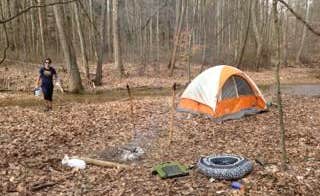
Dispersed camping near Carrollton, Kentucky offers primitive wilderness experiences approximately 30 miles from town. The region features several backcountry options with challenging terrain characterized by notable elevation changes. Campers should prepare for varying water conditions depending on the season, with streams becoming less reliable during summer and fall months.
What to do
Fossil hunting along creek beds: The Knobstone Trail waterways contain numerous fossils visible to observant hikers. "Everywhere you hike there are lovely vistas and lots of fossils on the trail snd creek beds," notes one regular visitor who explains water quality varies by season.
Trail difficulty preparation: Prepare physically before attempting these routes as the terrain demands solid conditioning. "The entire park is just beautiful. It's very family friendly and quiet. The sites are spacious, and there are a lot of nature things to do," explains Susan C., highlighting the diverse activities available despite the challenging landscape.
Plan for bailout points: Map your route to identify road crossings for potential emergency exits or resupply options. Many trails cross roads every 5-10 miles, providing strategic points to adjust plans if necessary.
What campers like
Spacious primitive sites: Jackson Trailhead provides multiple camping options with adequate separation between sites. "There's parking after a decrepit gravel road and suitable for camping. There are campsites along the trail just have to find them," reports one visitor who appreciates the secluded nature of the area.
Solitude from developed areas: Primitive camping near Carrollton offers genuine wilderness experiences away from crowded campgrounds. The terrain creates natural buffers between campsites, allowing for peaceful overnight stays even when other campers are present in the area.
Trail marker navigation: Trail systems maintain consistent marking allowing campers to navigate confidently between sites and landmarks. This system helps backcountry users maintain orientation in challenging terrain where elevation changes can sometimes cause disorientation.
What you should know
Seasonal tick awareness: Ticks become particularly prevalent in spring months. "Watch out for ticks. My dogs and I got loads of them in April 2020 from Leota to Spurgeon Hollow," warns one hiker who frequents the Knobstone Trail.
Water filtration necessity: All water sources require treatment before consumption. Streams vary in reliability and quality depending on season, with late summer and early fall often showing reduced flow rates. Bringing adequate filtration systems remains essential for overnight stays.
Road access limitations: Access roads to trailheads often feature rough gravel surfaces that may challenge standard passenger vehicles, particularly after rain events. Four-wheel drive or high-clearance vehicles provide advantages when accessing more remote entry points during wet conditions.
Tips for camping with families
Start with shorter segments: Begin with day hikes before attempting overnight trips to acclimate children to the terrain challenges. The continuous elevation changes can fatigue younger hikers quickly if not properly prepared.
Trail milestone planning: Break longer routes into segments with defined landmarks to help children maintain motivation. Using creek crossings, unique rock formations or trail junctions as achievement points helps maintain morale during challenging sections.
Wildlife identification activities: Bring field guides for local flora and fauna to engage children in cataloging species encountered. "The sites are spacious, and there are a lot of nature things to do," notes Susan C. from Knobstone Trail, highlighting opportunities for nature education.
Tips from RVers
Parking limitations: Standard RVs cannot access most primitive camping areas near Carrollton. Trailhead parking areas typically accommodate passenger vehicles and small trailers only, requiring RVers to establish base camps at developed campgrounds further from trail access points.



 Ranger


