Franklin Creek State Natural Area offers equestrian camping facilities approximately 70 miles west of Sycamore, Illinois. The region sits within Kane County's forest preserve system with elevations ranging from 700-850 feet above sea level. Winter temperatures typically drop to 10-20°F, while summer highs reach 80-90°F with moderate humidity levels, creating varied camping conditions throughout the year.
What to do
Trail riding with horses: Explore the extensive equestrian trail system at Rock Cut State Park, which offers multiple trail options for riders. "There are plenty of scenic photo opportunities especially during the fall season," notes Justin G., who visited during autumn. Trail maps are available at the ranger station, and riders should check trail conditions before heading out.
Kayaking on nearby waters: Paddle the interconnected waterways around Chain O' Lakes State Park. "I love to kayak through here because I don't need to paddle through the river unless I'm feeling competitive. I've seen beavers, minks, ferrets, and sand cranes on my two trips so far," shares Cora M. The park offers boat rentals if you don't bring your own watercraft.
Historic site exploration: Visit the working grist mill at Franklin Creek State Natural Area Equestrian Campground for a look into early American history. "What you'll enjoy most about being here, apart from the peace & quiet as well as the abundance of serenity is that this place has a really nice connection with history," notes Stuart K. The mill operates on weekends during summer months with interactive demonstrations.
What campers like
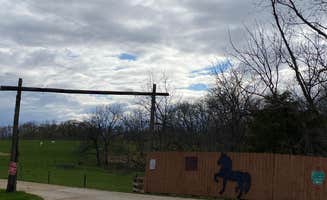
Spacious horse camping areas: At equestrian campgrounds near Sycamore, Illinois, sites are designed for both human and equine comfort. "This is a working ranch where you're able to board your horse while camping yourself," explains Iris A. about Hansen's Hideaway Ranch and Family Campground, which offers dedicated facilities for horses just 45 minutes from Sycamore.
Wildlife viewing opportunities: The natural areas surrounding Sycamore provide excellent wildlife spotting. "We hiked the trail and saw a mother deer feeding her 2 babies. Hard to believe that there is hiking trails like those in such a densely populated area," shares Tricia E. about Paul Wolff Campground. Early mornings and dusk offer the best wildlife viewing times.
Clean facilities despite primitive settings: Many equestrian campgrounds maintain good standards even with basic amenities. "Rangers were helpful and delivered firewood to our site daily. Bathrooms could use a bit of paint but were clean enough," reports Aida K. from Fox Den Campground. Most horse campgrounds provide potable water and pit toilets at minimum.
What you should know
Water access varies by season: Water availability for horses can fluctuate throughout the year at equestrian campgrounds. "Water hookup is far behind camping pad - bring extensions!" advises Amanda K. at Big Rock Campground. Water spigots may be shared among multiple sites, so bringing extra hose length is recommended.
Reservation requirements: Many horse camping areas require advance booking, especially during peak seasons. "Reservations are recommended a week ahead through the Winnebago County Forest preserve website. There is a small fee for non-residents, but it's worth it," notes Brian O. about Seward Bluffs Forest Preserve. Equestrian sites typically fill faster than standard camping areas.
Trail conditions affect riding quality: Trail conditions in the Sycamore region depend heavily on recent weather. "Fall and spring typically offer the best riding conditions with moderate temperatures and less insect activity," according to several campground reviews. After heavy rains, some trails may be temporarily closed to prevent damage.
Tips for camping with families
Swimming options for children: Big Foot Beach State Park Campground offers water recreation for families with children. "Lake Geneva swimming, friendly staff not far from Lake Geneva and stores for food and supplies the fall is beautiful and less crowded," shares Belinda R. Though the beach is small, it provides a cooling option after trail rides.
Playground facilities: Many equestrian campgrounds include play areas for children. "We have a 30 amp trailer... There is a park for the kids in several areas. Not far from town in case you need to go to the store and there is also a bait/shop store on premises," notes Meg K. about Turner Lake South camping area. Most playgrounds are centrally located near shower facilities.
Educational opportunities: Take advantage of historical features at equestrian campgrounds. "As a Troop we would rent one of the cabins for late season campouts. Clean facilities but the nice part is the scenic hiking for being close to town. Always see turkey and other small game so great for Scout skills and badges," mentions Mike D. about Paul Wolff Campground. Many parks offer junior ranger programs during summer months.
Tips from RVers
Electrical connections for horse trailers: RVers with horse trailers should verify amperage availability. "We have a 30 amp trailer. When we got there, the electricity wasn't working. It was 93° on a Saturday. We called the Rangers and asked them to look at our site breaker since it kept tripping," warns Rebecca C. from Rock Cut State Park. Bring adapters for different amperage connections.
Maneuverability considerations: Large horse trailers require careful planning at some campgrounds. "Rig: 2020 Micro Minnie 1700BH + Ford F-250... Water + 50amp hookups. Wide, open spaces for kids to ride bikes and explore wildflowers," shares Amanda K. about Big Rock Campground. Call ahead to confirm turning radius availability for large rigs with horse trailers.
Site selection for equestrian camping: Choose sites that accommodate both living quarters and horse areas. "We stayed in site 37 and enjoyed our stay. There are vault toilets but the large number of big RVs meant they were not used often leaving them almost like our private restrooms. Each site has water and electric," notes Art S. Corner sites typically offer more space for horse trailers.




 Legend


