






j
janelle H. Scout
Scout
ScoutRose Lake
Rose Lake Boat Launch
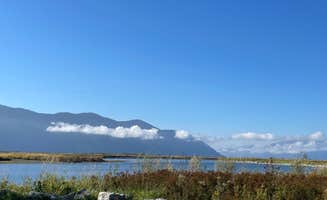
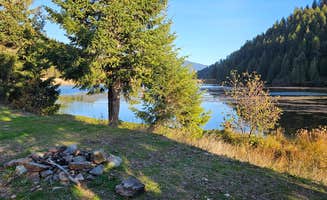
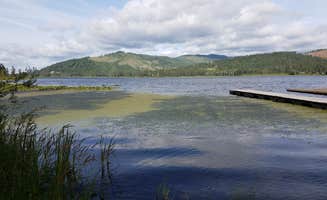
Free camping for up to three days. They have an open field above boat launch and a small parking lot.vault toilets. No garbage can. Please observe leave no trace practices.
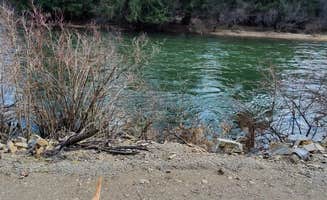
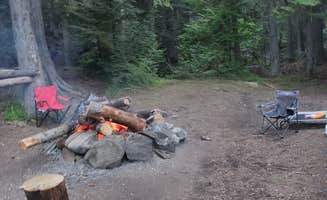
Several dispersed camping areas can be found along the Clark Fork River in Kaniksu National Forest, with the Clark Fork Drift Yard and River Driftyard offering free primitive sites for overnight stays. The Driftyard areas provide boat ramps with dock access and established fire rings, but minimal amenities - just a single portable toilet that receives irregular maintenance. Sites accommodate both tent camping and smaller RVs, with a 3-day camping limit enforced.
Pack River Dispersed Site features riverside primitive campsites accessible via both drive-in and walk-in options. The access road has significant washboard sections and steep rutted areas requiring careful navigation. As one camper noted, "There are several dispersed sites up here along Pack River. Good for horses, camping and solitude." Priest Lake and Beehives Lakes offer additional dispersed options for those seeking more remote experiences in this picturesque national forest. Most sites throughout the forest permit campfires when seasonal restrictions aren't in place, though campers should practice strict pack-in, pack-out principles as trash facilities aren't provided. Early morning boat traffic and occasional distant hunting activity may create some noise, particularly at Clark Fork locations.
"There are no facilities, but there is a porta-potty available (and it wasn’t terrible). This is a pack it in, pack it out area, so no trash cans or dumpsters available!"
"No water and no trash service. I would stay again."
"It’s close to get back on HWY, there is noise but not horrible. Only 2 other campers when we came through but there’s a few open sections to have some space in between. Porta potty is well kept."
"There is a train near by, but we really didn’t notice the noise."
"There are several dispersed sites up here along Pack River. Good for horses, camping and solitude."
"Was a bit challenging to find at first but once we found the right turn off it was simple."
"Can be accessed through the boat launching ramp that’s a bit ahead on the road. There are also several different off road paths that lead the some great camping spots in the area."
"Free camping for up to three days. They have an open field above boat launch and a small parking lot.vault toilets. No garbage can. Please observe leave no trace practices."
"Lots of room for dispersed camping, pit toilets available, incredible dock and lake access and views."
"Have to ford Creek to access. Just one party there on memorial weekend. All the campsites on the way up here were very crowded."
"Lots of spaces and places to turn around. After crossing the bike path, take the first right onto the dirt road at the sportsmans access sign (parallel to the small paved parking lot.)"
"If you drive past the first couple grass campsites and continue on the narrow road with water on both sides, just off to the right is a single secluded campsite amongst the tree."
"Awesome single site adjacent to the Beehive Lakes trailhead parking lot."
"Close to the highway so a little bit of noise from the interstate. Fire ring and that’s it."
"Very uneven but I found a spot close to even"
ScoutFree camping for up to three days. They have an open field above boat launch and a small parking lot.vault toilets. No garbage can. Please observe leave no trace practices.

 Guide
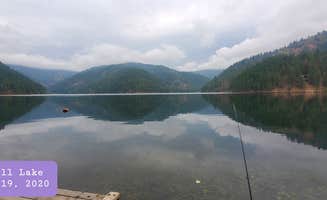
GuideCute little dispersed campground approx 6 sites. At least 2 of them are good for me trailer although I wouldn't try if you're not experienced with towing. The road to get there was approx six miles of gravel winding single lane road. But so worth the drive for the beautiful shaded sites and the open Lakeview sites. Not alot of traffic comes through during the week. Has one vault toilet that was pretty clean but bring your own tp. Also it is bear county so be sure to bring bear proof containers although it was so hot when we went that the wildlife was hiding out...lol
 Guide
GuideThis was my first ever backpacking experience and was a great introduction for me. We did the 3.5-mile trail. It was challenging and encouraging. My dog loved it too, and she's a larger breed! I would recommend this trek for anyone who is wanting to learn and practice backpacking skills. There are a few cleared areas for dispersed camping at the lake and a few other locations along the 3.5-mile trail and the 11-mile trail to Engle Lake. It is mostly uphill along both trails, though, so be mindful of that when considering equipment and weight. It is a gorgeous spot and is close to the Engle Peak summit with 360-degree views of the Cabinet Mountains. When we were here, there were a lot of Elk and Moose foot-traffic. They probably won't bother you. Just be aware of them and store your food properly. There have been grizzly bears spotted here, but not that frequently, apparently. Nonetheless, bring a bear canister and place it 100-300 feet from your tent. Enjoy the preserved and lightly trafficked gem! And as always, leave no trace and follow COVID-19 and social distancing guidelines :)

 Ranger
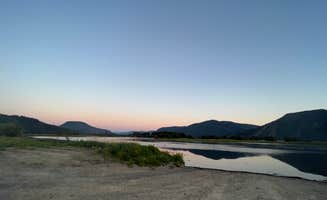
We found this spot to be great for an overnight stop. It was a little out of our way… but you can’t beat a free spot with a great view! Camping limit is 3 days. There are no facilities, but there is a porta-potty available (and it wasn’t terrible). This is a pack it in, pack it out area, so no trash cans or dumpsters available! There are small fire rings scattered throughout the area. It was a pretty quiet spot, other than the trains going by, but that didn’t bother us at all. There was one other camper set up when we arrived around 7:00 PM, and a couple others showed up after us. The boat ramp had a lot of visitors in the early morning and you could hear gunshots in the distance from others hunting, which also didn’t bother us at all. Overall, we thought this was a pretty great find!
 Ranger
Two parking areas and boat ramp parking with a porta potty. Room for 3-4 units in each parking area. Train pretty loud and traffic from main road noticeable. No water and no trash service. I would stay again.
 Guide
GuideWe were able to get our fifth wheel (40ft long, 13 1/2 ft tall) in and out easy! Lots of spaces and places to turn around. After crossing the bike path, take the first right onto the dirt road at the sportsmans access sign (parallel to the small paved parking lot.) Like another said, the best spot is past the first circular area. Keep going down the road and you’ll see a big shady area in the trees. (You can go further along to two more sites more suited for smaller pop-up campers, tents, or vans.) Close to the water so of course, there were some bugs: lots of bees and mosquitoes.
GuideLovely spot. The sound of waterfowl are so peaceful. Excellant fishing spot if you have the appropriate license. Easy access to most of it in a car/van. Crushed gravel road with a few watery potholes. Right off the Cour de lain trail which is asphat paved so great spot for bike rides, walks, skateboard is your pebble aware 😂🛹. 3 days camping only allowed. Within site of some homes so wear clothes 😂 From the trail head take the little road with a sign that says "sportsmans access". i did not drive over to the wooded side as theres one spot thats a little iffy for my low vlearance van. More shade and privacy over there. This is a great spot for solar panels.
 Guide
GuideOlder private campground with power for $40. There is a dump at an additional cost of $10. Some sites are dry camping only. Lake access, but campground is in treed meadow. Sites are not clearly defined. We were here on Wednesday and only ones here other than permanent trailers. Showers are $2 and you get key from camp attendant, Deb. Horse shoe pits and volleyball available.
GuideLots of room for dispersed camping, pit toilets available, incredible dock and lake access and views.
Kaniksu National Forest offers primitive camping opportunities across northeastern Idaho, with elevations ranging from 2,100 to over 7,200 feet. Seasonal access varies significantly, with summer temperatures in the 70s-80s°F and spring bringing high water levels along rivers. Dispersed sites typically lack designated boundaries and formal amenities but provide direct access to fishing, hiking trails, and wildlife viewing.
Fishing access points: The Clark Fork River Driftyard provides boat ramps with dock facilities for anglers. "The boat ramp had a lot of visitors in the early morning," notes one camper, and fishing opportunities extend from shorelines to deeper waters.
Wildlife observation: Explore wetland areas around Bull Run Access Dispersed, where visitors report seeing "deer grazing around, and plenty of wildflowers." Morning and evening hours offer the best wildlife viewing when temperatures are cooler.
Wilderness hiking: Trailheads near dispersed sites provide access to backcountry areas. "Awesome single site adjacent to the Beehive Lakes trailhead parking lot," reports a camper at Beehives Lakes, offering direct trail access for day hikes or backpacking.
Riverside settings: Pack River Dispersed Site provides "very peaceful" riverside camping with multiple sites along the water. One camper describes it as "beautiful remote area" with good options for both recreational activities and solitude.
Secluded options: Hanks Meadow offers a "beautiful quiet river sign meadow" with "approximately room for four camper setups" and mountain views. Campers appreciate that "just one party [was] there on memorial weekend" when other sites were crowded.
Lakeside camping: Waterfront access at smaller lakes provides swimming and paddling options. At Cooks Lake, campers report that "the water was warm and we swam all day" with natural attractions including "tadpoles and turtles and little water snakes" visible from shorelines.
Access challenges: Many roads to rustic sites require careful navigation. Pack River has "lots of washboard/rutted sections on the road and some steep areas getting to certain campsites," according to recent visitors. Some sites require "fording a creek to access."
Wildlife encounters: Bear activity occurs throughout Kaniksu National Forest, requiring proper food storage. One camper at Cooks Lake noted "it is bear county so be sure to bring bear proof containers" when camping in the area.
Seasonal limitations: Spring brings high water levels and potential flooding. Clark Fork locations may experience "risk of flooding" during early season visits, while mosquitoes become prevalent in summer, with one visitor reporting they "had my door opened for just a few minutes and had to kill like 20 before I could sleep."
Site selection: Choose sites with natural features for kids. At Bull Run Access, one family recommends "if you drive past the first couple grass campsites and continue on the narrow road with water on both sides, just off to the right is a single secluded campsite amongst the trees. The best site there."
Timing considerations: Early or late season visits offer fewer insects. One family noted mid-May provided "perfect weekend weather-wise" with mosquitoes that "weren't so bad that it affected us but we all had a few bites."
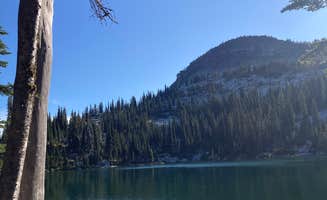
Water safety: Shorelines at Rose Lake and similar areas may have "dirt and sharp rock" surfaces with uneven entries. For swimming with children, seek sites where "you can walk down to the lake and sit on the dock" for safer water access.
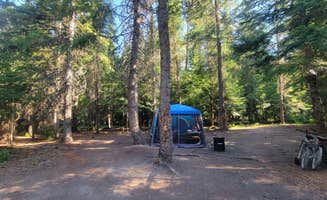
Site leveling: Prepare for uneven terrain at many dispersed sites. One RVer at Rose Lake noted "there isn't a level spot anywhere" and recommended bringing leveling blocks for any vehicle camping.
Size restrictions: Despite being primitive, some areas can accommodate larger rigs. At Bull Run Access, campers report "we were able to get our fifth wheel (40ft long, 13 1/2 ft tall) in and out easy" but recommend scouting locations first as "larger rigs would probably be okay too, but I'd scout it out."
Turn-around space: Check for adequate space to maneuver before committing to narrow forest roads. Bull Run Access has "lots of spaces and places to turn around," making it more suitable for larger vehicles than other rustic camping near Kaniksu National Forest.
Frequently Asked Questions
What amenities can I expect when dispersed camping in Kaniksu National Forest?
Dispersed camping in Kaniksu National Forest typically offers minimal amenities. At Libby Creek Gold Panning Area, you'll find basic sites with fire rings and creek access, but no developed facilities beyond that. Cooks Lake offers shaded sites but no services. Some areas like Rose Lake provide vault toilets and boat ramps, but these are exceptions rather than the norm. Generally, expect to be fully self-sufficient with your own water, waste disposal, and toilet facilities. There's no electricity, running water, or trash service at dispersed sites. Cell service varies significantly throughout the forest. Pack out all trash and follow Leave No Trace principles. Most dispersed sites are free, though some areas may have stay limits of 3-14 days depending on location.
Where are the best dispersed camping spots in Kaniksu National Forest?
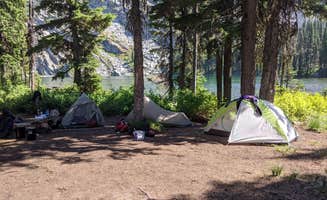
Kaniksu National Forest offers several excellent dispersed camping locations. Bull Run Access Dispersed features multiple campsites with good access for larger rigs (up to 40ft fifth wheels), fire rings, and some secluded spots among trees. For a lake setting, Rose Lake provides spacious sites with fire rings and picnic tables, right on the water with dock access for fishing. Other notable options include Cooks Lake with approximately 6 sites suitable for smaller trailers, and Engle Lake which offers a more backcountry experience accessible via a 3.5-mile trail. Look for established sites with fire rings, and remember to follow standard dispersed camping regulations including the typical 14-day stay limit.
Which is the most popular dispersed campsite near Kaniksu National Forest?
According to TheDyrt.com, the most popular dispersed campground near Kaniksu National Forest is Clark Fork River Driftyard with a 4.3-star rating from 6 reviews.
What is the best site to find dispersed camping near Kaniksu National Forest?
TheDyrt.com has all 25 dispersed camping locations near Kaniksu National Forest, with real photos and reviews from campers.
Keep Exploring