Pack River Dispersed Site offers multiple camping spots for riders exploring north Idaho's backcountry trails. Located near Hope, these primitive sites accommodate horse trailers and provide direct access to wilderness riding areas. The unpaved forest road requires careful navigation with larger vehicles. Campgrounds feature level spots along the river with no developed amenities beyond natural surroundings, requiring self-sufficient camping preparation.
What to do
Trail riding access points: Multiple equestrian trails connect from Pack River Dispersed Site where riders find "several dispersed sites up here along Pack River. Good for horses, camping and solitude," according to T&A Adventures. The Pack River road serves as a gateway to more remote north Idaho horse trails.
Attend equestrian events: Bonner County Fairgrounds hosts occasional horse competitions throughout summer. "Bonus, there was a Fjord Horse show while we were here. Cool to see the horses," notes Carol in her review of the Bonner County Fairgrounds. These events showcase various riding disciplines and breeds.
Fishing opportunities: Combine horse camping with fishing at lakeside locations. At Lionhead Campground, Scott B. explains "There are numerous trails to explore and the beach is beautiful white sand with crystal clear water." The area offers trout fishing in both lakes and mountain streams accessible from horse trails.
What campers like
Quiet natural settings: Riverside locations provide peaceful overnight stays. Emma T. describes Pack River as having "lots of washboard/rutted sections on the road and some steep areas getting to certain campsites. On the river and very peaceful." These more remote locations attract riders seeking less crowded camping.
Seasonal considerations: Early summer offers optimal trail conditions. "Open till October 31st," notes Carol J. about camping options in the region, adding that Bonner County has "nice back in sites with picnic table. Electric and water at site." Fall riding provides cooler temperatures and fewer insects on trails.
Lake access for horses: Some campgrounds provide water access for both riders and horses. Heather J. found lakeside camping at Priest Lake appealing: "Our spot was about 20 feet from the water. Sandy campsite is a nice change of pace from dirt." Horse-friendly water access points allow animals to cool down after trail rides.
What you should know
Facilities vary significantly: Equestrian campgrounds range from primitive to developed. According to Lane P., some areas like Breakwater Campground offer "great tent camping and fly fishing. Downside is that there is limited vehicle access to most spots." Bring extra water containers for horses at undeveloped sites.
Road conditions: Forest roads to horse camps require careful navigation. Emma T. warns about Pack River access roads having "lots of washboard/rutted sections on the road and some steep areas getting to certain campsites." Plan extra travel time when hauling horses to remote locations.
Reservation requirements: Popular equestrian sites fill quickly during summer. The Bonner County facilities can be reserved through reservation systems, while dispersed camping operates on first-come basis. Group campsites at state parks like Priest Lake must be booked well in advance, as Yuki B. explains: "Reservations are 9 months in advance and it is a phone call of luck that will get you this prime area."
Tips for camping with families
Beginner-friendly riding: Sheldon Mountain offers accessible trails for new riders. Tee C. reports Sheldon Mountain Trailhead Camp has "picnic tables, metal fire rings with grills, vault toilets. Big pretty pine trees!" These amenities make overnight horse camping more comfortable for families.
Lakeside activities: Combine riding with swimming at lake campgrounds. Cody H. recommends sites with "tons of flat area to put down a tent, mosquito shade (they are pretty bad), and enjoy the amazing view!" Families can alternate between trail rides and water recreation.
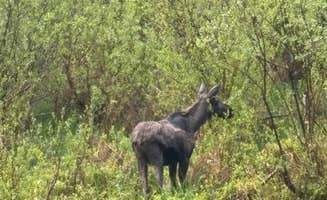
Educational opportunities: Wildlife viewing enhances family horse camping trips. Jeff W. notes the region offers chances to "see lots of moose, and sometimes black bears. If you take the short hike to Moose lake, there is excellent rainbow trout fishing, and gorgeous scenery as well." Morning rides typically provide the best wildlife viewing.
Tips from RVers
Fairground alternatives: When equestrian campgrounds are full, RVers with horses can utilize fairground facilities. Christon C. describes Bonner County Fairgrounds as having "water and power hookups, and a dump station at the exit." These fairground facilities often accommodate larger rigs and horse trailers.
Site selection: Carefully check site dimensions when bringing horse trailers. Always C. advises: "Reserve America reservations be sure to check site length. There are a few very short ones. We stayed in site 21 and our 34RLSA filled it up." Measure your combined rig length including truck, trailer and living quarters.
Generator policies: Some equestrian camps allow generator use for overnight stays. Bring sufficient fuel for generator operation as remote locations have limited services. Camp hosts can provide guidance on appropriate operating hours to minimize noise disruption for other campers and horses.



 Scout
Scout


