Glamping near Pu'u O Umi Natural Area Reserve offers diverse accommodation options throughout Hawaii's Big Island. The area sits at approximately 3,000-4,000 feet elevation in the upland forest zone, creating a cooler microclimate than coastal areas with temperatures typically ranging from 60-75°F. Rainfall averages 120-200 inches annually, creating lush conditions but requiring water-resistant camping gear during overnight stays.
What to do
Hiking native forests: Kalopa State Recreation Area provides access to well-maintained trails showcasing indigenous plant species. "Awesome hiking/running trails, many native plant species difficult to find elsewhere. Pavilions and cabins for rent. Check the county website for availability," notes Taylor C. about Kalopa State Recreation Area.
Cliff jumping activities: Several beach parks offer natural swimming holes with jumping platforms. "There was also some great small cliffs that we could jump off of—the whole family loved doing this. It almost feels like you are in a 'jungle' only because of the greenery and trees," shares Sasha W. about Hawaii County Park Kolekole Gulch Park.
Cultural site visits: Multiple historical locations surround the camping areas. "City of refuge and Captain Cook Monument are amazing to hang, and a few private beaches only for people who stay here," notes a camper about the attractions accessible from local accommodations.
What campers like
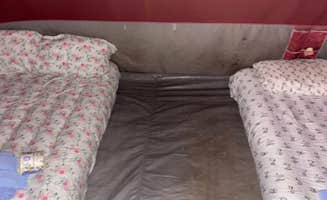
Solar-powered accommodations: Environmental sustainability features prominently at several sites. "Rather than providing a bed or cot, each tent has two sleeping hammocks, a small cooler, secure gear locker and some basic lighting and electricity. Note, the power goes off at 10pm, as the whole compound runs on solar power and batteries," explains Shari G. about Hamakua Guesthouse & Camping Cabanas.
Post-backcountry comfort: Sites offer welcome amenities after wilderness trekking. "The bathrooms and showers are lovely, especially if you've just come from a backcountry trip in the National Park," adds another camper about the facilities.
Agricultural experiences: Properties often feature working farms with visitor interaction. "Lots of pets, the cow and baby goats," mentions a visitor about JoesNuts.com, highlighting the agricultural aspects of staying at local glamping sites.
What you should know
Limited camping options: The eastern side of the island has fewer established campgrounds. "Surprisingly there are few places to camp on this side of the island. Unless you have a car it's almost impossible to get to them with your luggage," warns Aubrey G. about logistics when staying at Arnotts Lodge and Hiking Adventures.
Wildlife soundscape: Natural noise levels can affect sleep quality. "So many birds and other loud creatures singing all night long," notes the same reviewer about nighttime conditions.
Amenity restrictions: Services vary significantly between properties. "No stores or restaurants in walking distance," adds another camper, highlighting the need to bring provisions when staying at certain locations.
Tips for camping with families
Age restrictions: Some properties limit young children. "Children under 7 not allowed," cautions a reviewer about specific accommodation policies at certain lodges.
Weather preparation: Rain gear remains essential even during dry seasons. "It was raining buckets the night we stayed there, but we were dry and comfortable, although torrential rain on any small structure might make sleeping a challenge," shares a camper about weathering Hawaiian downpours.
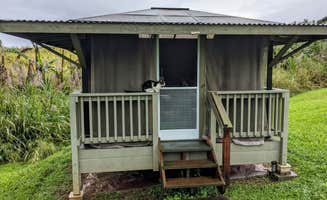
Animal encounters: Free-roaming animals can affect meal preparation. "The guest house also welcomes the small herd of local stray cats to roam around outside and get an evening meal. These furry guests are not allowed inside so no worries there, but they will investigate your food bag and meow like crazy should you be trying to make dinner outside," warns one visitor about potential mealtime disruptions.
Tips from RVers
Limited hookup sites: Few locations accommodate large recreational vehicles. Most glamping accommodations near Pu'u O Umi Natural Area Reserve focus on cabins, yurts and tent sites rather than dedicated RV infrastructure.
Narrow access roads: Roads leading to camping areas often feature tight turns. "Nice and easy driveway," notes one camper, indicating this particular location stands out for its uncommon accessibility compared to other regional camping destinations.
Walking distance amenities: Some sites provide access to multiple attractions without driving. "There was a coffee farm within walk distance, the church, peace gardens and just nice little area," shares a visitor about the convenient location of certain accommodations.





 Guide
Guide


