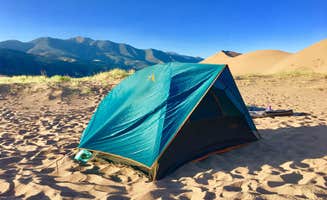
Camping near Great Sand Dunes National Park occurs at elevations between 7,500 and 9,000 feet, causing temperatures to fluctuate dramatically throughout the day. The San Luis Valley receives less than 10 inches of precipitation annually, creating an arid environment where insects thrive during summer months. Most campgrounds lack natural shade, requiring visitors to bring portable shelters or canopies for protection.
What to do
Sledding down dunes: Rent sandboards or sleds before entering the park. At Great Sand Dunes Oasis, "You can rent sand boards and sleds here if the weather is right. There is also a restaurant with food that was better than we expected," notes Myndi C.
Hot springs soaking: Visit Sand Dunes Recreation hot springs pool, located 15 minutes from park entrance. "The hot pool was a welcome destination after an afternoon of sliding down sand dunes and hiking back up... Cafe menu is great," shares AJ M.
Backcountry camping: Experience solitude in the dunefield with free permits (limited availability). "The Dunefield was one of the most serene and unique camping experiences we have had. Once we crossed over the day use area, it was like being in another world," explains SwitchbackKids.
Zapata Falls hike: Located 8 miles from park entrance near Zapata Falls Campground. "Pack your sandals or water shoes. The waterfall is secreted inside a mountain crevasse and you must walk the frigid mountain water in... a 30ft cascade at 9400 foot elevation," writes Dave V.
What campers like
Stargazing opportunities: Clear nights offer exceptional astronomy viewing. "The stargazing is, well... stellar! In mid-summer the mosquitoes were thick but with topical agents, we were fine at dusk," reports Dave V. from Pinon Flats Campground.
Sunrise views: Early mornings provide optimal lighting for photography. "The sunrise and sunsets are beautiful here. No campground fee but you do need either a CO fishing or hunting license or CO wildlife pass. $10 a person," notes Sarah L. at Mosca Campground.
Wildlife encounters: Many campers report unique animal sightings. "We heard coyotes howling close by, owls hooting, dust devils out in the valley, infinite stars," shares Irene L. at Zapata Falls.
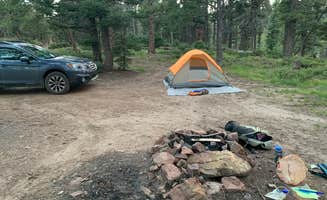
Free dispersed options: Public lands surrounding the park provide no-cost alternatives to established campgrounds. "Very private, beautiful scenery. Tons of spots available but hardly anyone was there. We stayed two nights. No wild life except a lizard my kids found," explains Hannah at Sacred White Shell Mountain.
What you should know
Water availability: Most campgrounds lack potable water sources. "There's electric and a dump station but no water. We filled up at the Mosca pit stop about 20 minutes outside of the campground (for a donation)," advises Eat · See · RV L.
Access requirements: Some sites require special permits or passes. "Tuesday, October 4, 2022 Mosca campground; this is a Colorado state wildlife area(SWA). You will need a seasonal SWA pass. These are very easy to get for as little as 10 bucks if you are a senior or a junior," explains Butch K.
Primitive road conditions: High-clearance vehicles needed for many dispersed sites. "Definitely need 4 wheel drive and decently high clearance. I only saw Jeeps, 4 runners, and trucks. Rocky and steep at parts, it was pretty damn rough," warns Paul H. about Medano Pass Primitive Road.
Weather preparedness: Temperature extremes and sudden storms require flexible planning. "We just got back from our trip to the dunes. It was a fun experience and we will be returning in the fall once the mosquito horde has died," shares Sarah B.
Tips for camping with families
Tent site selection: Choose campsites based on terrain and proximity to amenities. "Two-loop campground with a small store that sells firewood etc. I lucked into site #67 after changing plans due to inclement weather. The sites in the 60's are on the west end of the loop and have fantastic views of the dunes," recommends Judy B. at Pinon Flats Campground.
Kid-friendly amenities: Some campgrounds offer special features for children. "We camped here during the winter while the car camping in Great Sand Dunes national park was closed... The campground doesn't have a whole lot of trees and some of the sites are close together, but in the quieter winter season we had plenty of privacy," says Marissa K.
Insect management: Mosquitoes remain a significant issue during summer months. "July was mosquito madness. Honestly I am from the country and can deal with bugs, but being dived bombed by 30 mosquitos is intense. Be ready for battle," warns Sarah B.
Swimming alternatives: Creek flow varies seasonally. "We stayed here mid summer. We picked a perfect time because it rained in the afternoons which cooled things down nicely and kept the sand firm in the morning while we hiked," shares Tom C.
Tips from RVers
Hookup availability: Limited full-service options exist near the park. "Campsites are w electric and water and sewer hookup. also a dump station. picnic table and firepit. lots of room for big rigs. nice showers/toilets and a big sink outside to do dishes," reports Donald S. about Great Sand Dunes Oasis.
Site leveling challenges: Many sites require equipment for stabilization. "We selected this location because it got so many great reviews. I don't expect perfection in dispersed locations but, I was pretty disappointed in the quality of the established areas. They were very difficult to level our smallish travel trailer," notes John H.
Water temperature awareness: Hot spring water affects campground plumbing. "One funny thing is if you have an rv and hook up to the water, it is fed from the hot springs so the water is always very warm. Didn't get to test out our hot water heater at this location!" explains Heidi S.
Road condition information: Some routes prohibit larger vehicles. "The 12 mile trip up from the Park takes about 4 hours, yes it's that rough. AND you will stop a lot to take in the amazing views. DO NOT ATTEMPT TO TAKE A TRAILER, if you do you won't make it," warns Jason L.






 Traveler


