Equestrian camping options near Block Island, Rhode Island offer dedicated facilities for riders and their horses within driving distance of coastal attractions. Block Island itself contains no horse camping facilities, but mainland areas provide specialized campgrounds with various amenities. These sites typically operate seasonally from spring through fall when trail conditions are optimal.
What to do
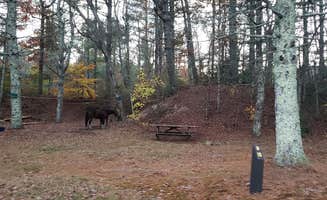
Trail riding access: Pachaug State Forest offers direct trail access from camping areas with three dedicated horseback riding loops originating at Frog Hollow Horse Camp. "Three horseback riding loops leave from the campground. There's also fishing and hiking available in the forest," notes Jean C., who visited in late October when the campground was at half capacity.
Member activities: For those seeking luxury accommodation combined with equestrian facilities, specialized options exist. The Preserve Club and Residences provides extensive outdoor activities within a members-only environment. "The Preserve Club and Residences is a members/owners only community which is New England's most amenity rich properties," explains Chris M., highlighting its unique positioning among regional facilities.
Water activities: Most equestrian campgrounds in the region offer additional recreational opportunities beyond riding. Fishing spots are available near several horse camps, with streams and ponds accessible from trail systems. Many riders combine camping trips with day excursions to coastal areas approximately 30-45 minutes from inland camping locations.
What campers like
Composting toilet facilities: Environmentally-conscious campers appreciate the sustainable facilities at horse campgrounds. "Campsites are located around a loop with a couple of composting toilets near the entrance," explains Jean C. about the layout at Frog Hollow, noting the practical arrangement of facilities relative to camping spaces.
Spacious site configuration: The design of equestrian sites prioritizes functional space for both camping equipment and horse accommodations. Sites typically provide separate areas for tents or RVs plus dedicated space for trailers and horse containment systems, allowing comfortable setup for extended stays.
First-come availability: While some facilities require reservations, others maintain accessibility through first-come systems. Frog Hollow Horse Camp operates without reservations, creating opportunities for spontaneous trips when weather and trail conditions are favorable, particularly during weekdays when usage decreases.
What you should know
Trailer parking logistics: Most equestrian campgrounds provide designated areas for trailer parking adjacent to campsites. Since permanent horse corrals are generally not available, campers must bring appropriate containment systems such as portable electric fencing or high-lines for securing horses overnight.
Water availability: Water sources for horses vary between facilities. Campers should confirm current water status before arrival, as seasonal changes can affect availability. At LeGrand Reynolds Horsemen's Camping Area, water hookups are available, providing convenient access for both human and equine needs.
Seasonal considerations: Most horse campgrounds operate seasonally with limited or no winter availability. Fall typically offers optimal conditions with moderate temperatures, reduced insects, and less crowded facilities, though water access may become more limited at primitive sites as temperatures drop.
Tips for camping with families
Campfire regulations: Most equestrian campgrounds permit campfires in designated rings, providing evening entertainment for families. Fire restrictions may apply during dry periods, so campers should verify current regulations before arrival and bring appropriate firewood.
Multi-activity planning: Families benefit from scheduling non-riding activities for younger members. Many horse camping areas connect to general recreation trails suitable for hiking, nature observation, and fishing, allowing mixed activities that accommodate different interests and abilities.
Toilet facilities: Bathroom options vary significantly between equestrian campgrounds. Primitive sites may offer only composting toilets, while facilities like The Preserve Club and Residences provide full amenities. Families with young children should prepare accordingly with appropriate supplies for less-developed locations.
Tips from RVers
Hookup availability: RV campers seeking full hookups should research options carefully. Equestrian campgrounds typically offer limited electrical and water connections compared to standard RV parks. Some sites provide no hookups at all, requiring self-contained operation.
Size restrictions: Most horse campgrounds accommodate moderate-sized RVs but lack specific big-rig friendly designations. Larger combination vehicles (truck plus horse trailer plus living quarters) may find navigation challenging on forest roads leading to more remote equestrian facilities.
Generator policies: RVers should verify generator policies before arrival. Many horse campgrounds restrict generator usage to specific hours or prohibit them entirely. Solar power systems provide a quieter alternative for maintaining battery systems during extended stays at primitive sites.




 Legend


