Equestrian camping near Albion, Rhode Island combines woodland exploration with accessible bridle paths. The region features rolling hills ranging from 200-400 feet in elevation, interspersed with small streams and wetland areas. Overnight temperatures can drop significantly even in summer months, with average July temperatures ranging from 61°F to 82°F.
What to do
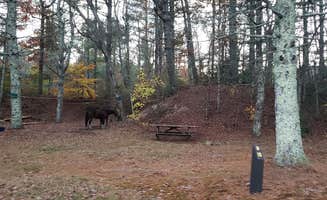
Trail riding from camp: At Frog Hollow Horse Camp at Pachaug State Forest, riders access three dedicated horseback loops directly from the campground. "Three horseback riding loops leave from the campground. There's also fishing and hiking available in the forest," notes camper Jean C.
Fishing between rides: Many equestrian campers bring fishing gear to use during non-riding hours. At Wolf Den Campground — Mashamoquet Brook State Park, visitors can fish directly from the campground. "There's a small playground in the middle of the loop, a number of hiking trails throughout the park along with a few geocaches, a swimming pond, and a small brook with an old mill and blacksmith shop," writes camper Jean C.
Non-equestrian camping activities: When horses need rest, the Charge Pond Campground — Myles Standish State Forest offers diverse recreational opportunities. "We kayaked one morning and enjoyed watching the people catching good sized fish around us. The beach (at least at Charged Pond) had a nice sandy section and a bathhouse," says Kim R., highlighting activities available beyond the saddle.
What campers like
Private, wooded sites: Many equestrian campsites offer seclusion between camping spots. One camper at Myles Standish notes, "Our site was wooded and pretty private for a state campground. We had plenty of room and the site had a fire pit and picnic table."
Multi-use trails: The extensive trail systems accommodate various outdoor enthusiasts. "The bike trails through the part are great and we enjoyed them. Paved and mountain bike trails," shares Kim R. from Myles Standish, demonstrating that these trails serve multiple recreational purposes.
Quiet weekday camping: Ponkapoag Camp provides a serene experience for those avoiding weekend crowds. "Ponky is a hidden jem! Minutes from Boston, feels Miles away. Love the cabins! Spending Friday & Saturday in one of the cabins (w/woodstove) is deal for a winter weekend adventure!" writes camper stu L., highlighting how this applies to equestrian camping areas too.
What you should know
Limited amenities: Most equestrian campgrounds maintain primitive facilities. At Ponkapoag Camp, "THERE IS NO ELECTRICITY OR RUNNING WATER. We brought all our water from home, and it worked well. Make sure you bring campsuds or other eco-friendly soap since the toilets are just outhouses without running water much of the year," advises Rita M.
Seasonal considerations: Some campgrounds restrict operations to warmer months. Normandy Farms Campground operates "Apr 1 - Nov 30," which reflects the typical operating season for many regional campgrounds, including equestrian facilities.
Varied terrain: Trail conditions can change with weather. "We explored all over the bog looking for interesting species of plants and animals and found so many amazing things. This is an amazing site to take anyone who is adventurous and loves to explore," explains Asher K. about Ponkapoag, indicating the diverse landscapes riders will encounter.
Tips for camping with families
Nature exploration opportunities: Families with children can combine horseback riding with educational activities. "Hiking trails abound on the property. While none of the trails are steep, they all go through beautiful ares, with views of the pond, and interesting rock formations," notes Rita M. from Ponkapoag Camp.
Camp activity options: The Preserve Club and Residences offers extensive amenities for days when riding isn't planned. One visitor describes it as "New England's most amenity rich properties, in fact it may be the only place in the world that has such a diverse amount of outdoor offerings."
Weather preparedness: Temperatures can fluctuate significantly. A Ponkapoag camper mentions, "Many cabins have wood stoves, which is great for the cooler parts of the year. We were there Memorial Day weekend, and needed the stove when it dipped to 40 degrees."
Tips from RVers
Site selection for trailers: Horse trailers require adequate space for parking and unloading. At Wolf Den Campground, one camper notes, "The parking pads are paved and a few have overhanging branches, but the trees provide separation and some shade on largely open sites that tend to open up toward the back with open areas for pitching tents."
Water access: Locate water sources before arrival. "Each loop has one bathhouse. Ours, unfortunately, did not have hot water. We were told if we wanted it, we could go to any of the other loops," shares a Myles Standish camper, highlighting the importance of planning for essential resources.
Limited hookups: Most horse camps offer minimal electrical service. At Frog Hollow Horse Camp, sites are "located around a loop with a couple of composting toilets near the entrance. Water is available. There's space your your camping gear as well as a trailer and horseline."




 Legend


