Primitive camping near Gloucester, North Carolina centers around two distinct ecosystems: coastal barrier islands and inland forest wetlands. Summer temperatures regularly exceed 90°F with high humidity, while winter nights can drop into the 30s. Vehicle access varies dramatically between locations, with many forest roads remaining closed due to hurricane damage and beach camping requiring specific equipment.
What to do
Shell collecting at low tide: South Core Banks offers exceptional shelling opportunities along its undeveloped shoreline. A visitor noted, "We took bikes and enjoyed cycling around at low tide. Be sure to camp above the high tide zone, which is black sand."
Wildlife observation: South Core Banks -- Beach Camping provides opportunities to observe wild horses on nearby Shackleford Banks. "We had three young male horses that were always roaming within sight. They even walked close by our campsite," reports one camper.
Fishing from shore: The undeveloped beaches provide excellent access for anglers without specialized equipment. Most visitors bring their own gear and bait. One camper mentioned fishing is the primary activity, stating "Almost everyone is there to fish."
Night sky viewing: Minimal light pollution creates exceptional stargazing conditions, particularly on clear nights in fall and winter months when humidity is lower. October through March offers optimal viewing.
What campers like
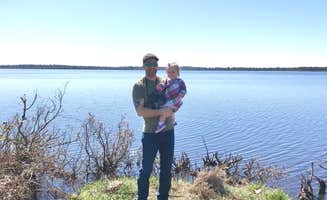
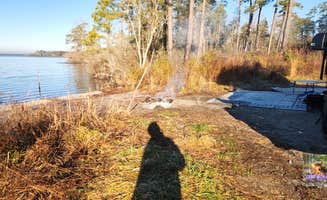
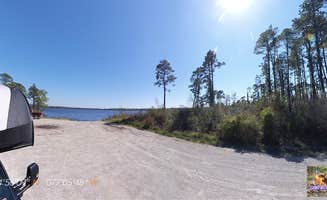
Natural isolation: Great Lake Dispersed Site provides a remote experience with limited visitor traffic. One camper noted, "The lake is virtually untouched and the roads were still in good shape."
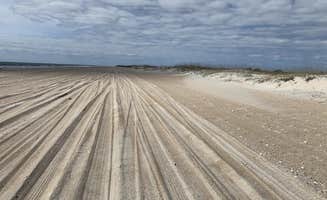
Beachfront camping: The ability to camp directly on the sand with ocean views ranks highly among visitor experiences. "Camping on the beach? What could be better! From driving up and down the beach to just parking and relaxing. This place is amazing," one visitor shared.
Unique ecosystems: The native vegetation includes rare carnivorous plants. A visitor to Croatan National Forest observed, "Lots of trails and beautiful pines. Pitcher plants and Venus fly traps."
Lighthouse views: Several campers mention selecting sites with views of Cape Lookout lighthouse. "We found a site with a beautiful view of Cape Lookout lighthouse. The last night had the most amazing sunset that lit up the lighthouse and the clouds above with beautiful pinks, purple and blues."
What you should know
Ferry transportation: Cape Lookout National Seashore requires advance planning for boat access. "The ferry is $135+ for vehicles, plus $20 per person roundtrip. The beach driving permit is $75 unless you buy it by March."
Water considerations: No running water exists at most primitive sites. Visitors must bring all drinking water or filtration systems. South Core Banks has limited water availability: "There is a water pump at the lighthouse, and an outside shower, but you are not allowed to use soap at it."
Road closures: Forest service roads frequently close due to storm damage. "The path is blocked at about halfway down by concrete barriers and downed trees. So I pulled my Ford Ranger in the pines beside the path and slept there."
Wildlife hazards: Multiple campers report encounters with potentially dangerous wildlife. "This is not a 'campground' per se, but rather a large area of national forest where dispersed camping is allowed. Watch out for snakes and alligators!"
Tips for camping with families
Safety preparations: Bring comprehensive first aid supplies as medical assistance can be hours away. Cell service is inconsistent throughout the region, particularly in forest areas.
Insect protection: Croatan National Forest requires thorough insect preparation, especially for children. "There are alligators, bears, way too many ticks, mosquitos and a ridiculous amount of shotgun shells."
Beach camping orientation: New campers should understand tide patterns. "Take plenty of bug spray. View is stunning. Just be sure you know it's on an island, and read the tide tables so you aren't surprised."
Self-sufficiency requirements: Pack all necessary supplies including extra food, water, and emergency equipment. "Just don't forget to pack it in, AND pack it out. While I'm at it, you should also prepare everything in advance - food, water, essentials. There ain't no corner market here."
Tips from RVers
Vehicle requirements: Standard recreational vehicles face significant access limitations at most sites. "You need 4WD to get around the island but most of the ferry places have atv rentals. Only accessible by ferry/boat."
Recovery equipment: Dixon Landing and other primitive areas require self-recovery capabilities. "That includes 4x4 AND recovery equipment. Tow service ain't nowhere to be found."
Alternative parking: When primary access roads are closed, look for designated pull-offs. "In a pinch we found a camp spot nearby at Catfish Lake. The road in was easy but it was extremely trashy with lots of shotgun shells on the ground."
Off-road navigation: Traditional GPS services often provide outdated information about forest road conditions. "Lots of roads closed from hurricane damage, so don't trust Google maps. The dirt roads were not maintained and ridiculously bumpy and unmanageable for smaller cars."





 Guide
Guide


