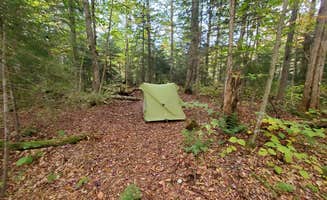
Dispersed camping near Star Lake, New York offers secluded wilderness experiences throughout the western Adirondack region. Most sites sit at elevations between 1,500-1,800 feet, creating cooler summer conditions than surrounding lowlands. Primitive camping options range from roadside pull-offs to remote island sites requiring boat access, with the heaviest visitation occurring from Memorial Day through mid-October when temperatures typically range from 45-80°F.
What to do
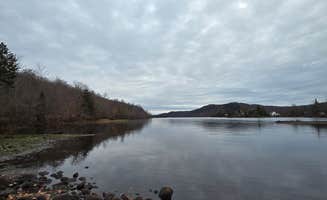
Paddling routes: 7+ connected lakes. The Stillwater Reservoir area provides extensive paddling opportunities with dozens of interconnected waterways. At Stillwater Reservoir, one visitor noted it was "nice and peaceful" despite a "five hour drive" to reach the location. Many paddlers connect multiple waterbodies in single trips.
Fishing: bass and northern pike. North Lake Reservoir offers productive fishing from both shore and small watercraft. A camper at North Lake Reservoir Campground described the setting as a "pristine lake" with "32 sites all around the lake" providing direct water access.
Hiking: fire tower views. The region features several fire towers accessible via moderate day hikes. The Stillwater fire tower trail starts near Blue Lagoon Primitive Dispersed Camping, where one visitor explained, "Primitive site on the beautiful south eastern end of Stillwater. A short hike in to a great beach for swimming or paddling."
What campers like
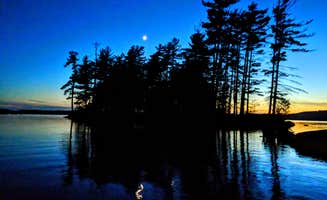
Secluded island camping: 100% boat access. Catamount Island in Cranberry Lake offers complete privacy surrounded by water. A visitor to Cranberry Lake Backcountry Sites shared: "We spent 3 nights backcountry camping on Catamount Island in Cranberry Lake and absolutely loved it! The sunsets from the island were truly incredible." Island sites typically accommodate 1-3 tents.
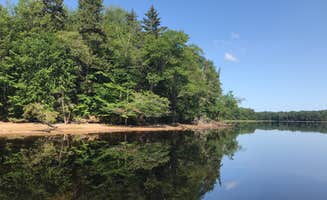
Lakefront swimming: clean water. Many sites provide direct access to swimming areas with sandy approaches. At Sunday Lake Dispersed Camping, a regular visitor reported: "This is a small primitive site. No services, but a very beautiful spot. There's a small fire ring, and access to the lake for swimming or fishing."
Unplugged environment: mental reset. The remote locations force disconnection from technology. A camper at Polliwog Lake on Floodwood Road simply stated: "Camped here for a few days, no cell, no internet." This digital detox experience is consistent throughout the region.
What you should know
Vehicle access limitations: 4WD recommended. Many access roads become rough beyond main highways, especially after rainfall. At Horseshoe Lake, a visitor advised: "Road is rough but easily doable if you take it slow." Allow extra driving time and consider clearance issues for passenger cars.
Designated sites only: yellow DEC disks. New York State Forest Preserve regulations require camping at designated sites only, marked with yellow "Camp Here" disks. At Seventh Lake Primitive Camping, a visitor explained: "There is a large sand bar within a very short walk which was a great place to hang out... look for a HUGE rock and there will be a sign that reads camp here."
Limited supplies nearby: stock up. Few stores exist within 30 minutes of most campsites. Pack extra supplies before arrival as one Cranberry Lake visitor noted: "The Village of Cranberry Lake has some supplies, but not much except the very basics at the general store. You'll need to head to Star Lake or Tupper Lake for anything of significance."
Tips for camping with families
Shallow water access: best for young children. Several sites feature gradual entry points ideal for inexperienced swimmers. At Little Green Pond, a visitor mentioned: "12 designated camping spots... Pond has a small beach to swim. Tree covered sites."
Multi-day wildlife watching: bring binoculars. Wildlife sightings increase with longer stays. Prepare children with species identification guides to enhance engagement. A Stillwater camper described their campsite as having "gorgeous waterfront" where "the season had had unusually low water all over and it left a really unusual landscape on the beach to explore."
Weather preparation: afternoon storms. Summer thunderstorms typically develop between 2-6pm, requiring shelter plans. North Lake Reservoir campers found arriving after dark challenging but worthwhile: "Very remote and secluded. We got there after dark and it was beautiful to wake up to the view of the lake."
Tips from RVers
Limited RV access: smaller rigs only. Most roads leading to rustic camping near Star Lake restrict larger RVs due to tight turns and low clearance. At Payne Lake Dispersed Site, a visitor noted: "Public access boat ramp with limited parking available on both sides. No amenities on-site. I'm getting two bars of Verizon signal with the help of a WeBoost."
Self-contained requirements: bring everything. With no hookups, water fill stations, or dump facilities within 20 miles, RVers must arrive fully stocked. Horseshoe Lake campers warned about technology limitations: "As it's a forest, the sites are pretty shaded, so solar and Starlink may present challenges. Slight AT&T at earlier sites."
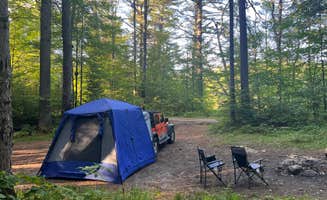
Best vehicle-accessible spots: arrive early. The limited drive-in sites fill quickly on summer weekends. A visitor to Stillwater Reservoir described their experience at "the only car accessible campsite" as "a great camp site very big and had a trail that lead down to the water."









 Legend


