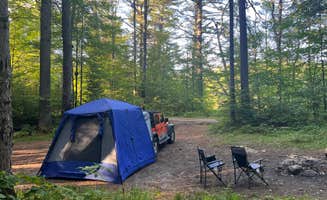
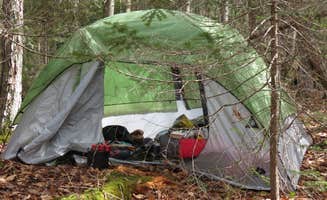
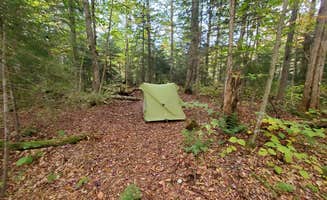
Dispersed camping near Colton, New York concentrates primarily in the western Adirondack region where elevations range from 1,500 to 2,500 feet. The terrain consists of mixed northern hardwood forests interspersed with numerous small lakes and ponds. Most primitive sites have limited or no facilities and require campers to pack in essentials including water and waste disposal equipment.
What to do
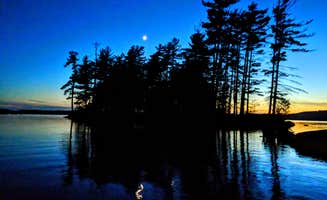
Paddling exploration: Stillwater Reservoir offers extensive water recreation opportunities with 20+ miles of navigable water. "We saw Bald Eagles and Loons, enjoyed swimming, canoeing and paddleboarding with the family," reports Christie M., highlighting the wildlife viewing potential.
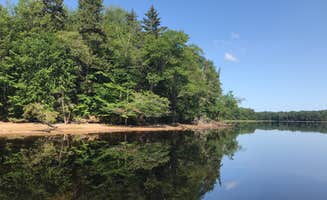
Beach relaxation: Several sites feature sandy shorelines for swimming and lounging. At Stillwater Reservoir, one visitor described finding "a large sandy beachfront" on their island site, while another noted that even in "cold rainy weather we had a phenomenal time" with "gorgeous waterfront" access.
Hiking options: Trail access varies by location, with some sites connecting directly to established paths. The Ward Brook Campsite serves as a basecamp for Seymour Mountain climbing, with one camper noting it has "a nice lean-to, fire pit, picnic table, and a privy" with "plenty of water around."
What campers like
Isolation factor: Many sites offer significant privacy, particularly those requiring boat access. A visitor to Sunday Lake Dispersed Camping described it as "a small primitive site. No services, but a very beautiful spot" that has "always been lovely and quiet and a great place to take youth campers."
Technology disconnect: The remote nature forces disconnection from digital life. At Stillwater Reservoir, one camper reported, "It was quiet and had the whole island to our self. Would recommend if you want to break away from technology because you get zero service out there."
Wildlife encounters: The relative isolation creates opportunities to observe native species. Cranberry Lake Backcountry Sites feature "amazing lake for kayaking and boating" with "sites not crowded together," according to one visitor, while another mentioned "millions upon millions of dragonflies" during summer months.
What you should know
Water access requirements: Many sites require watercraft to reach. A camper at Stillwater Reservoir noted, "I came here a couple days ago only to realize that all except one campsite needs a boat to be reached. It's first come first serve so best to find another place if you intend to drive up to your campsite."
Road conditions: Access roads to primitive sites can be challenging. At Horseshoe Lake, a visitor reported, "Road is rough but easily doable if you take it slow" and noted there are "10-11 designated campsites. Most have fire pits."
Water management: Potable water availability is limited or nonexistent at most locations. Visitors to Cranberry Lake advised to "bring your own potable water or filter from the lake, so don't forget your water filter."
Supply planning: Limited resupply options exist near most sites. A Cranberry Lake camper noted, "The Village of Cranberry Lake has some supplies, but not much except the very basics at the general store. You'll need to head to Star Lake or Tupper Lake for anything of significance."
Tips for camping with families
Water safety preparations: With most sites near water bodies, proper safety equipment is essential. At Sunday Lake, a visitor recommended it as "a great place to take youth campers" but noted the quarter-mile walk-in access requires planning for gear transport.
Site selection timing: First-come basis means planning arrival times strategically. One Stillwater visitor mentioned arriving after "a 20 mile ride of just woods on a bumpy road" and being surprised that "the place wasn't that populated as I expected it to be."
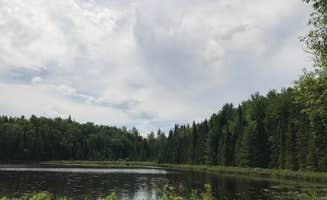
Alternative activities: Weather contingencies should be considered. At Little Green Pond, a camper noted the "12 designated camping spots" are "tree covered sites" that provide shelter during rain, and the "pond has a small beach to swim."
Tips from RVers
Size limitations: Most primitive sites accommodate smaller rigs only. At Payne Lake Dispersed Site, a visitor observed "limited parking available on both sides" at the "public access boat ramp" area, restricting larger vehicles.
Signal considerations: Communication capabilities vary significantly by location. A Payne Lake camper reported "getting two bars of Verizon signal with the help of a WeBoost" while another camper at Polliwog Lake specifically mentioned "no cell, no internet" during their stay.
Specialized equipment: Some sites require additional equipment for comfortable stays. At Horseshoe Lake, a visitor cautioned that "as it's a forest, the sites are pretty shaded, so solar and Starlink may present challenges" with only "slight AT&T at earlier sites."







 Legend


