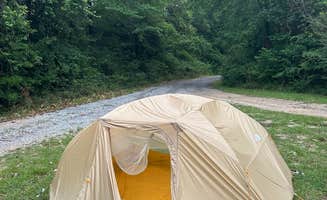
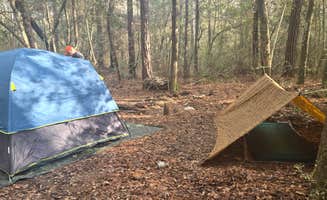
Primitive camping near Purvis, Mississippi includes two primary dispersed camping areas situated on public land in the De Soto National Forest. The region experiences hot, humid summers with temperatures regularly exceeding 90°F and mild winters with occasional freezing temperatures. Red clay soil dominates the landscape, creating potential mobility challenges during wet conditions when the ground becomes saturated and slippery.
What to do
Wildlife observation: Camp Shelby Dispersed Camping provides opportunities to hear local wildlife. One camper noted, "Did hear dogs (or coyotes) in the background but nothing happened. It's up on a little hill which is nice." (Camp Shelby Dispersed Camping)
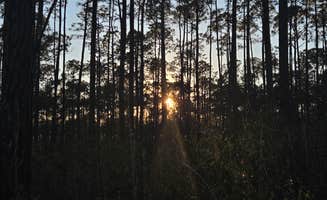
Hiking trails: The Leaf Wilderness Area contains numerous unmarked paths through pine forest terrain. Navigation skills are essential as signage is minimal. "You just drive and see very clear campsites along the main road," reports one visitor, though they caution about nearby hunting activities. (Leaf Wilderness Area)
Target practice awareness: Public land near these areas permits hunting and recreational shooting during certain seasons. Campers should maintain awareness of shooting activities, with one visitor reporting, "The road you drive on to get here has multiple signs warning that stray bullets may cross." This requires additional safety precautions when selecting campsites.
What campers like
Solitude options: The elevated terrain at Camp Shelby Dispersed Camping provides isolation for those seeking privacy. "Stayed in my SUV for 2 nights and didn't see or hear anyone around," writes one camper who appreciated the seclusion. (Camp Shelby Dispersed Camping)
No-cost camping: Both primary dispersed camping areas near Purvis offer free accommodation without reservations or permits. "But it's free so," notes one camper about Camp Shelby, highlighting the cost advantage despite certain drawbacks.
Clear site visibility: Leaf Wilderness Area features recognizable camping spots along the main access road, making identification possible despite minimal official markers. "You just drive and see very clear campsites along the main road," confirms one camper. (Leaf Wilderness Area)
What you should know
Navigation challenges: Finding unmarked camping areas can prove difficult, particularly after dark or during inclement weather. One visitor to Leaf Wilderness Area reported, "My GPS said turn left, I looked and there was an old, overgrown, wagon trail. Next to a private residence. WITH NO SIGN. I was afraid I was trespassing!" (Leaf Wilderness Area)
Site cleanliness concerns: Primitive campsites may contain remnants from previous users. One Camp Shelby visitor mentioned, "The actual sites are littered with bullet casings and other trash." Pack extra trash bags to collect existing debris alongside your own waste.
Terrain considerations: The red clay soil in this region becomes extremely slippery when wet. "If it's rainy or wet the ground turns to red mud you could get stuck in," warns a Camp Shelby visitor, suggesting caution during or following precipitation.
Tips for camping with families
Security awareness: Some dispersed camping areas near Purvis have multiple uses including hunting. Parents should maintain situational awareness of surrounding activities. One camper at Leaf Wilderness Area stated, "Due to it being public land, we did here shooting nearby, not fun." (Pow Camp)
Elevated campsite selection: When possible, choose higher ground locations that provide better drainage during rain. One visitor noted the benefits at Camp Shelby: "It's up on a little hill which is nice. You have a huge amount of space to go back off the road."
Wildlife sounds preparation: Prepare children for nighttime wildlife sounds which may include coyotes. A camper reported, "Did hear dogs (or coyotes) in the background but nothing happened," suggesting these noises are normal but not typically threatening.
Tips from RVers
Access road assessment: Small to medium recreational vehicles may access some dispersed camping areas, but carefully evaluate road conditions before proceeding. Wet conditions significantly increase the risk of getting stuck in the region's clay soil.
Site selection priority: Look for elevated, firm ground with substantial distance from access roads to minimize exposure to passing traffic. One Camp Shelby visitor noted, "You have a huge amount of space to go back off the road."
Backup location planning: Always have alternative camping options identified in case primary locations prove unsuitable. One camper described Camp Shelby as "not a terrible spot if in a pinch," suggesting it serves better as a secondary option rather than a planned destination.





 Scout
Scout


