Horse campgrounds near Osakis, Minnesota offer primitive to full-service options across state forests and parks. The region features mixed hardwood forests and prairie landscapes with elevations ranging from 1,300 to 1,500 feet. Summer temperatures average 75-85°F with frequent afternoon thunderstorms, while spring and fall camping seasons see cooler nights requiring extra layers.
What to do
Paddleboarding at nearby lakes: Lake Carlos State Park Campground offers excellent paddleboarding opportunities with clear water conditions. "The lake water was crystal clear and glass like calm," notes one visitor to Glacial Lakes State Park Campground. Many campers rent equipment directly at parks or bring their own boards.
Hiking to scenic viewpoints: The region features distinctive glacial terrain with rolling hills and panoramic views. "Great hiking trails, had a great swimming beach. Our campsite wasn't private but there are some that are surrounded by trees and private," shares a camper at Lake Carlos State Park Campground. Most trails range from easy 1-2 mile loops to more challenging 5+ mile routes.
Winter recreation options: Several parks maintain year-round camping access with winter-specific activities. "I stayed here with a few friends in the winter when the park was doing their lantern-lit snowshoe trail. They have 1 site (electric) available in the winter," reports one camper about Lake Carlos State Park. Winter camping requires additional preparation but offers solitude and unique experiences.
What campers like
Private, wooded campsites: Many campgrounds offer secluded spots with natural screening. "Sites are spacious and cozy at the same time. Feels like we are deep in the forest but civilization is close enough for WiFi," notes a camper at Lake Carlos State Park. Sites with privacy typically book faster than more open locations.
Lake access for swimming: Clear lakes with sandy beaches rank high among camper preferences. "Good lake, had a great swimming beach," mentions a Lake Carlos visitor. Sibley State Park's Oak Ridge Campground also receives positive feedback with one camper noting, "Beautiful swimming beach short walk from campground."
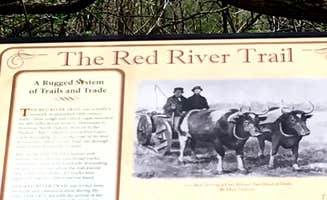
Historical elements: Some parks feature preserved historical sites adding educational value. "Historic signs describing the old town are along the beginning part of the trail near the picnic area. Kinda fun to read about and feel what old settlements were like," shares a visitor at Crow Wing State Park Campground. These historical elements provide context about the region's development.
What you should know
Mosquito and tick conditions: Prairie and wooded settings create ideal conditions for insects, particularly in warmer months. "Lots of ticks (its prairie after all)," warns a backpacker at Glacial Lakes State Park. Campers should pack appropriate repellent, particularly during peak summer months.
Limited water access at horse camps: Equestrian facilities require planning for water needs. "It is a primitive campground with running water out of spigots and vault toilets," explains a visitor to Walter E Stark Horse Campground in Pillsbury State Forest. Horse owners must bring containers for transporting water to their animals.
Site elevation and drainage issues: Some campgrounds experience periodic flooding. "We stayed on the Pittsburgh side and found the campground amazing! Until it flooded. We were evacuated and moved to higher ground," reports a camper at Pomme De Terre Campground. Spring camping carries higher flood risk, especially at riverside locations.
Tips for camping with families
Beach amenities for children: Lake facilities with designated swimming areas provide safer water recreation. "The biggest hit for me was the newly remodeled beach area on Lake Andrew. Plenty of space and a nice 'fishing' pier to hang out at. They rent kayaks there too," notes a visitor to Equestrian Campground at Sibley State Park.
Nature programs and educational opportunities: Several parks offer structured activities for younger visitors. "We took advantage of the candlelight event. It was very busy and a huge turnout. We hiked 1.2 miles and then snowshoed 2.4 miles," shares a Lake Carlos State Park camper describing winter programming.
Cabin options for beginner families: State park cabins provide comfort for those new to camping. "We stayed in camper cabins that were really amazing. Fishing Pier and a small lake to canoe and kayak on," reports a visitor to Glacial Lakes State Park Campground. Most cabins require advance reservations, especially during summer months.
Tips from RVers
Electric site selection strategy: Power hookups vary significantly between campgrounds. "Not all sites have hammock trees though. Preferred sites in Lower Campground would be 7 for non-electric for privacy and lake views, and 14e, 16e, and 18e for electric," advises a visitor to Glacial Lakes State Park. RVers should research specific site dimensions and amenities before booking.
Dump station locations: Some parks have limitations in water infrastructure. "The water fill and dump stations are on the opposite side of most campers which was the only downside. There was not water supply at the dump station to rinse out the tank," mentions a Glacial Lakes State Park camper. Planning arrival and departure logistics helps avoid congestion at limited facilities.



 Legend


