Cabin camping near Wrangell, Alaska provides access to remote wilderness locations within the Tongass National Forest. Most forest service cabins in this area are set on saltwater beaches or alpine lakes at elevations ranging from sea level to 1,500 feet. The average annual precipitation in this region exceeds 80 inches, with frequent fog and rain even during summer months. Winter conditions can drop temperatures to single digits with significant snowfall.
What to do
Wildlife observation opportunities: Visitors to Marten Lake Cabin can access prime wildlife viewing areas. The cabin sits near excellent fishing waters and hiking trails that lead to wildlife observation points.
Fishing expeditions: Nearby waters offer excellent fishing for various species including salmon, trout, and halibut. Water access cabins provide convenient fishing opportunities directly from shore. Harding River Cabin offers proximity to prime fishing areas, particularly for steelhead and salmon runs.
Backcountry hiking: Many cabins connect to trail systems that allow for day hikes or multi-day treks. Trails range from moderate beach walks to challenging mountain routes. Most require navigation skills and wilderness experience.
What campers like
Remote location solitude: The isolation of cabins provides a true wilderness experience. Virginia Lake Cabin offers complete privacy surrounded by pristine Alaskan wilderness. Visitors appreciate the separation from civilization with no cell service or other modern distractions.
Bear viewing opportunities: Multiple cabins offer access to bear observation areas during salmon runs. Anan Lake Cabin provides access to areas where bears can be safely observed during seasonal salmon runs. Visitors report seeing multiple bears during peak seasons.
Cabin construction quality: Forest service cabins are built to withstand harsh Alaskan conditions. Shelly B., who stayed at Berg Bay Cabin, notes, "Alaskan wife, mother of four boys. Three dogs. We live for the outdoors. We love hiking, boating, camping, just being outside to breath."
What you should know
Weather preparation requirements: Conditions can change rapidly year-round with storms developing quickly. Pack clothing for all conditions, including waterproof layers, even in summer.
Access limitations: Most cabins require boat or float plane access, with no road connections available. Frosty Bay Cabin requires coordination with air taxi services or private boats for transportation. Estimated access costs range from $300-$800 depending on method and season.
Safety considerations: Bear activity is common throughout the area. Proper food storage in provided lockers is mandatory. Emergency communication devices like satellite phones are strongly recommended as no cell service exists.
Winter accessibility challenges: Snow and ice conditions significantly impact winter travel. Frozen lakes may provide access routes in deep winter but require extreme caution and experience.
Tips for camping with families
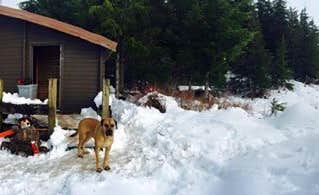
Age-appropriate cabin selection: Choose cabins with safe access for children. Deep Bay Cabin offers pet-friendly accommodations with a picnic table and fire ring that works well for family groups. The cabin's location provides relatively sheltered waters for kayaking with children.
Kid-friendly activities: Pack games, field guides, and nature journals to keep children engaged during downtime. Several cabins have short nature trails suitable for family exploration.
Safety protocols for children: Establish clear boundaries around cabins. Children should always be accompanied by adults due to wildlife concerns and water hazards.
Food planning: Calculate additional food needs for growing appetites in outdoor settings. Plan for 25% more food than normally consumed at home, especially for active teenagers.
Tips from RVers
RV accessibility limitations: Most cabin areas have no road access and cannot accommodate RVs. RVs can be parked in Wrangell while visitors access remote cabins by alternate transportation.
Supply acquisition: Wrangell has limited services for resupply. Purchase all necessary items before departure as no stores exist near cabin locations.
Alternative accommodations: RV travelers must arrange transportation to cabins separately from their vehicles. Consider cabins as destination points during broader Alaska RV tours rather than direct RV camping options.




 Ranger


