Camping options near Gleneden Beach typically experience a mild coastal climate with temperatures averaging 45-65°F year-round. The central Oregon coast receives approximately 70-80 inches of rainfall annually, concentrated between November and March. Most campgrounds in the area sit within 10 miles of Highway 101, nestled between coastal hills and shoreline areas that range from 20-100 feet above sea level.
What to do
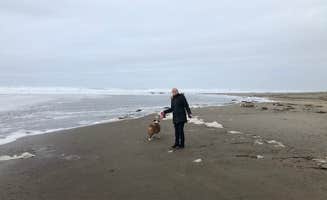
Beach fossil hunting: At Beverly Beach State Park Campground, the shoreline reveals marine fossils in nearly every rock. "Nearly every rock and cliff face is littered with marine fossils of varying types and sizes and you can often find individual fossilized shells that can be collected," notes Erik C. The beach also offers "agate hunting along the gravel bars, particularly after big storms that uncover new stones."
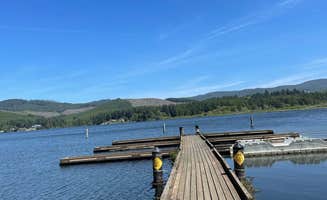
Kayaking on Devil's Lake: This freshwater lake provides a calm alternative to ocean activities with easy access from Devil's Lake State Recreation Area Campground. "There is access down a long point/dock for non-motorized (kayaks) boats," explains Annie C. The campground offers both lake and ocean access within walking distance, making it ideal for water enthusiasts.
Winter storm watching: Several oceanfront campgrounds provide excellent storm watching during winter months. "The cabins are safe and stormproof for great storm watching in winter/spring months," reports Vicki T. about Cape Lookout State Park. The winter season offers dramatically different camping experiences with fewer crowds and impressive ocean displays.
What campers like
Private wooded sites: Campers appreciate the natural buffers at South Beach State Park Campground. "Well-kept, helpful gate attendant, with shady sites on the outer edges of the loops," notes Patrick M. These sites provide more privacy while maintaining access to amenities, with "free, very private showers! Soap in the bathrooms! Super nice and clean!"
Off-season camping: The shoulder seasons provide quieter experiences with seasonal wildlife viewing opportunities. "One of their elk herds came out that late afternoon to browse. Someone counted 53 animals," shares Judy T. about Wapiti RV Park. Off-peak camping offers both lower rates and unique nature encounters throughout the region.
Hiking connections: Coastal trails connect many campgrounds to beaches and viewpoints. At Cape Lookout State Park Campground, campers can "do the Cape Lookout peninsula hike! Gorgeous views without great effort. Lots of tree roots that will tire your feet but not a strenuous hike overall: ~5 miles roundtrip." Most coastal campgrounds offer direct trail connections to beaches and forest paths.
What you should know
Weather variability: Coastal fog can affect camping experiences even in summer. "A nice place to camp during the summer months. The ground is typically dry and you are in close proximity to the beach. If you plan on booking a trip in the late Fall/winter, be sure to call ahead of your trip. I've been here in the fall when more than half the campsites were flooded or filled with standing water," advises Blake F. about Devil's Lake.
Mosquito preparation: Several campgrounds report seasonal insect issues, particularly in forested areas. "No complaints about the facilities, just a warning that the mosquitoes are really bad!" cautions Sonja O. about South Beach State Park. Campers should pack appropriate repellent, especially during warmer months when camping near freshwater sources.
Site selection strategy: For more privacy at Premier RV Resort, "If you like quiet do not rent one of the spaces up front. The back of the park is much quieter and more treed," recommends Errolyn T. Most campgrounds have varying site characteristics, with perimeter spots generally offering more privacy and less foot traffic.
Tips for camping with families
Educational programs: Some campgrounds offer children's activities focused on coastal ecology. "Nice educational programs for kids," mentions Kristen W. about Beverly Beach State Park. These ranger-led programs typically run during summer months and cover topics from marine biology to forest ecology.
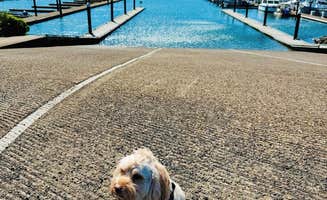
Playground access: Families appreciate dedicated play areas within walking distance of campsites. At Coyote Rock RV Resort & Marina, visitors enjoy "watching the young kids playing in the park area and watching them fish off the dock," as Shelly K. describes. The marina setting provides supervised fishing opportunities suitable for children.
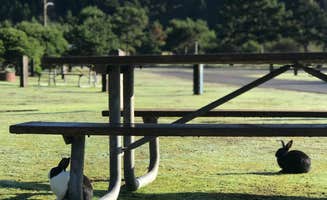
Wildlife viewing opportunities: Coastal campgrounds offer unique wildlife encounters for children. "We seen stellar jays and a woodpecker," reports Debbie I. about Beverly Beach State Park. Morning and evening hours typically provide the best wildlife viewing, with tide pools offering additional marine life observation during low tide.
Tips from RVers
Site leveling considerations: RV campers should be prepared for leveling challenges at some parks. At Logan Road RV Park, "my paved spot was not level," reports Steven V., though the park offers compensating amenities including a "good pet area (near spots facing office) and off leash area."
Beach access logistics: Most oceanfront RV parks have developed access routes to beaches. "There is a well planned short walk through an underground tunnel at the Inn at Spanish Head get you to and from safely," explains Angela S. about Premier RV Resort. These access points often accommodate mobility devices and provide more direct routes than public beach access points.
Wi-Fi connectivity: Internet access varies significantly between campgrounds. At Premier RV Resort, "WiFi is weak," notes one camper, despite the park's other amenities. RVers requiring consistent connectivity should consider cellular signal boosters as backup, particularly in more remote coastal locations.


 Scout
Scout


