Gifford Pinchot National Forest spans over 1.3 million acres across southern Washington's Cascade Range, with elevations ranging from 800 to 12,276 feet at Mount Adams' summit. The forest's varied terrain creates diverse camping microclimates, with eastern areas typically drier than western regions. Most campgrounds open from late May through September, with limited winter access on forest roads above 3,000 feet elevation.
What to do
Waterfall exploration: 5 miles northwest of Twin Falls offers walk-in tent sites near dramatic cascades. "I've never camped at the base of a waterfall before, it was beyond awesome! And the best part like 95% of the places I go is that it's FREE!" notes Jess G. The 5 walk-in sites each have picnic tables and fire rings.
Fishing: At Steamboat Lake Campground, anglers can access productive waters directly from camp. "We spent the day with a Fishing Guide (1-509-860-7233). I hope the pictures show how great this place is," writes Doug W. The campground offers pull-through sites with full hookups and direct lake access.
Hiking: Multiple trailheads near Iron Creek Campground connect to Mount St. Helens and Mount Adams trail networks. "Wonderful hiking at both Mt Adams and Mt St Helens. Easy to find sites here," says Molly L. A short loop trail from the campground leads to the river for additional day hiking options.
What campers like
Privacy between sites: The forest setting at many campgrounds creates natural separation. At Iron Creek Campground, "The sites are quite private, and the campground was quiet. The campground is like fairy wonderland with so much moss and greenery," reports Gayle K. The heavily wooded setting provides shade and isolation.
Mountain views: Several campgrounds offer direct sightlines to volcanic peaks. "Staying in site 41 to 44 guarantees amazing sunrise and sunset views," explains Bobak K. about Walupt Lake Campground. The lake's location provides unobstructed mountain vistas from certain sites.
Wildlife encounters: Small mammals frequently visit campsites throughout the forest. "Some brave chipmunks and squirrels to deal with, but nothing too difficult," mentions Marcus P. about his stay at Twin Falls. Most campgrounds post guidelines about proper food storage to prevent wildlife issues.
What you should know
Road access challenges: Many forest campgrounds require driving on unpaved routes. Takhlakh Lake visitors should "drive a car with good clearance as the road can be challenging," advises Ana T. Forest road conditions vary seasonally and after weather events.
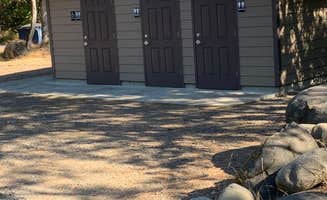
Limited services: Most primitive campgrounds lack standard amenities. At Twin Falls, "There is a pit toilet near the dead-end/parking lot, but no water available other than from the river," explains Juice B., who recommends bringing all necessary water.
Seasonal insect activity: Mosquitoes peak in early to mid-summer at most locations. At Takhlakh Lake Campground, "While this place was beautiful, it was completely infested with mosquitoes... I stopped counting my bites after 40," warns Mary C. Late summer visits typically encounter fewer insects.
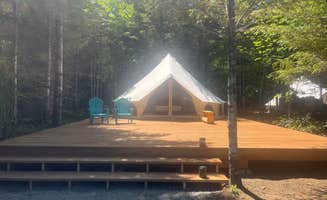
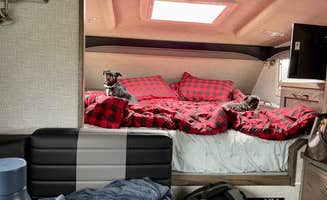
Glamping options: Beyond traditional camping, luxury accommodations exist at select locations. "Our campsite was spacious for three couples and three dogs, and the lake is absolutely gorgeous to float on," notes Erica T. about her glamping experience near Takhlakh Lake. Most glamping near Gifford Pinchot National Forest requires advance reservations.
Tips for camping with families
Playground access: For those camping with children, select sites near recreation areas. At Cowlitz Falls Campground, "With small kids in our group, it was convenient to have the path to the playground right between sites A6 and A8," recommends Allyson U. The campground also features a ball field and nature trails.
Swimming opportunities: Several campgrounds offer water access for children. Iron Creek "river runs near the camp was a great spot for the kids and dogs to play," says Josh W. Water temperatures remain cold even in summer months, requiring supervision.
Spacing between sites: Families often prefer campgrounds with room for activities. At Cowlitz Falls, "Very spacious sites in the forest" provide ample play areas according to Kim G. Loop selection within campgrounds can significantly impact the family camping experience.
RV tips
Site dimensions: Forest campgrounds have varying capacities for larger vehicles. At Iron Creek, Ralph M. notes, "Our 30 ft TT filled the parking pad but we never unhooked the truck. I think a 40ft would be maximum length." Always check individual site specifications before reserving.
Power availability: Electric hookups remain limited throughout the forest. "Loop A & D have utilities for camping with the water Spicket and drains in each loop," explains Angela S. about Cowlitz Falls Campground. Most RV-friendly campgrounds have dump stations but not always sewer connections at individual sites.
Cell service limitations: Connectivity varies widely throughout the forest. At Hollenbeck Park, visitors with AT&T service report adequate signal, while "I had no service at all. It was nice to be unplugged," says Gayle K. about Iron Creek Campground. Some campgrounds near larger towns maintain better connectivity.



 Legend


