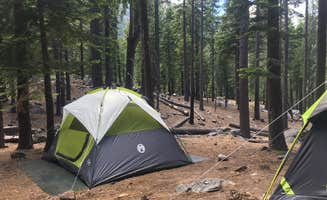
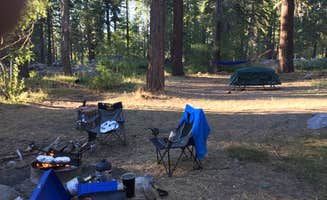
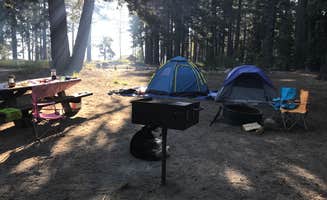
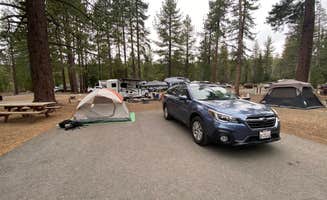
Camping sites near Lake Tahoe Basin Management Unit vary by elevation, with most located between 6,000-7,000 feet. Winter closures affect most facilities between October and May, though some lower-elevation sites remain open year-round. Bears are active throughout the region, requiring mandatory food storage in all camping areas regardless of season or location.
What to do
Hiking to Fallen Leaf Lake: Access multiple trailheads directly from Fallen Leaf Campground, making it ideal for hikers wanting morning walks. According to Ryan W., "You can walk or ride a bike across the street to Lake Tahoe, but you are separated from the chaos of the lake, and a bit more insulated from the storms." The campground connects to lakeside paths where early mornings provide calmer conditions.
Beach access with dogs: For campers with pets, select beaches allow dog access. At Nevada Beach Campground, "There is a smaller dog-friendly area of the beach, so if you're bringing your pup(s), your beach access will be limited to that area only," notes Carolyn P. Most Lake Tahoe beaches restrict dogs, so these designated areas provide valuable alternatives.
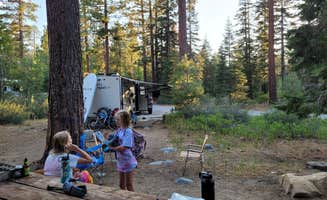
Winter camping options: When snow arrives, most Lake Tahoe Basin Management Unit campsites close, but Tahoe Valley Campground remains open. Basia M. shares, "We ended up camping in a truck camper at Tahoe Valley Campground after being caught in a snow storm. For a last minute find, it turned out to be an awesome choice." Winter campers should prepare for freezing temperatures and disconnected water hookups.
What campers like
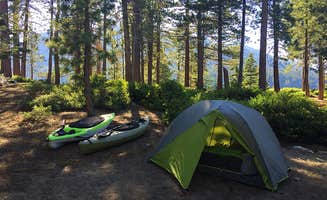
Walk-in tent sites: For more seclusion within developed areas, Zephyr Cove Resort offers walk-in sites away from RV areas. "They have around 15 walk in campsites accessible from a small parking lot at the top of the hill (probably preferable for those seeking a bit more quiet)," explains Keef W. These sites require carrying equipment several hundred yards but provide increased separation from neighboring campers.
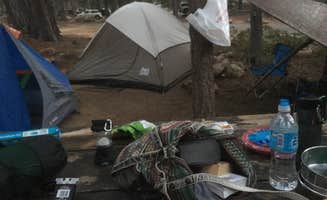
Free dispersed options: Budget-conscious campers appreciate the no-cost options outside developed campgrounds. At Scotts Lake Rd Dispersed Camping, "You follow a dirt road and have camping spots along the road. When I was here it was jammed packed RV, vans and tents all set up along the road," reports Jr A. These sites lack amenities but provide free alternatives during peak season when developed sites fill.
Heated bathrooms in town: Campers needing reliable facilities appreciate Campground by the Lake for its well-maintained restrooms. Kerry V. notes, "Restrooms are clean and HEATED. Hot showers are free. Fire pits were in good condition. Sites were flat and clean." The campground balances nature with practical amenities, though road noise remains a consistent complaint.
What you should know
Bear activity patterns: Bears regularly visit campgrounds throughout the Lake Tahoe Basin Management Unit, especially in late summer. At Eagle Point Campground, one camper reported, "We encountered a mama bear and her 2 cubs quite a few times but everyone worked together to make noises. I do wish there was a better system in place to help orient the bears back into the forest." Bears typically patrol campgrounds during evening hours searching for food.
Showers require quarters: Many campground showers operate on coin systems requiring exact change. Ryan W. notes about Fallen Leaf Campground, "The showers were nice but pricey. Four U.S. Quarters for 3 minutes. You can get done what you want but no more." Always bring dollar bills or quarters if planning to use shower facilities.
Winter road conditions: Access to campgrounds becomes challenging during winter months when snow accumulates. Even lower elevation sites can experience significant snow, as Basia M. describes at Tahoe Valley Campground: "nothing beats making a fire in the snow and waking up to a couple of feet of white fluffiness!" Four-wheel drive vehicles with snow chains are recommended for winter camping access.
Tips for camping with families
Reserve beach-adjacent sites early: Families wanting lake access should book months ahead. At D.L. Bliss State Park Campground, "For a base to explore it'll work," explains Sara S., though securing prime spots requires planning. Sites closest to beaches book first, especially for summer weekends.
Bike-friendly campgrounds: Families with children appreciate campgrounds with bike paths. Shane T. from Fallen Leaf notes, "We loved the bike paths all though out the area. Rode in to south Tahoe and had a great experience." These paths provide safe recreation options away from road traffic.
Activities during peak season: Many campgrounds offer structured family programs during summer. Dani P. reports that Tahoe Valley Campground "put on a ton of events like karaoke nights, live music, and smores nights." These organized activities supplement traditional camping experiences, especially during crowded periods.
Tips from RVers
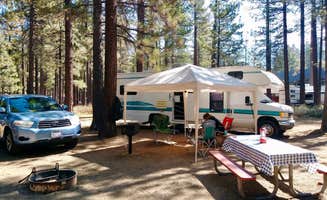
Leveling requirements: Many Lake Tahoe Basin Management Unit campsites sit on uneven terrain. Steve & Ashley G. advise about D.L. Bliss, "The sites are somewhat uneven, so you will need levelers if you are sleeping in a van or small RV." Bring leveling blocks even for developed sites.
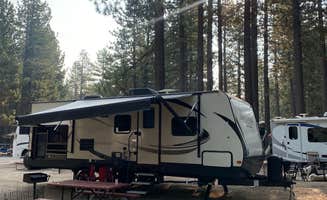
Generator restrictions: Most campgrounds restrict generator usage to specific hours or prohibit them entirely. Several RVers noted the noise complaints at various campgrounds, with Timothy A. mentioning at Fallen Leaf, "Only complaint would be generators running most of the day from all the RV's." Check campground rules before relying on generators.
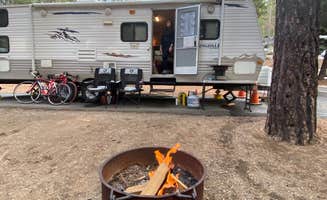
Winter hookup limitations: RVers camping during freezing temperatures should prepare for disconnected water. Basia M. explains, "We weren't able to connect to water because of freezing temperatures" at Tahoe Valley Campground. Winter RV camping requires self-contained water supplies and proper winterization techniques.